
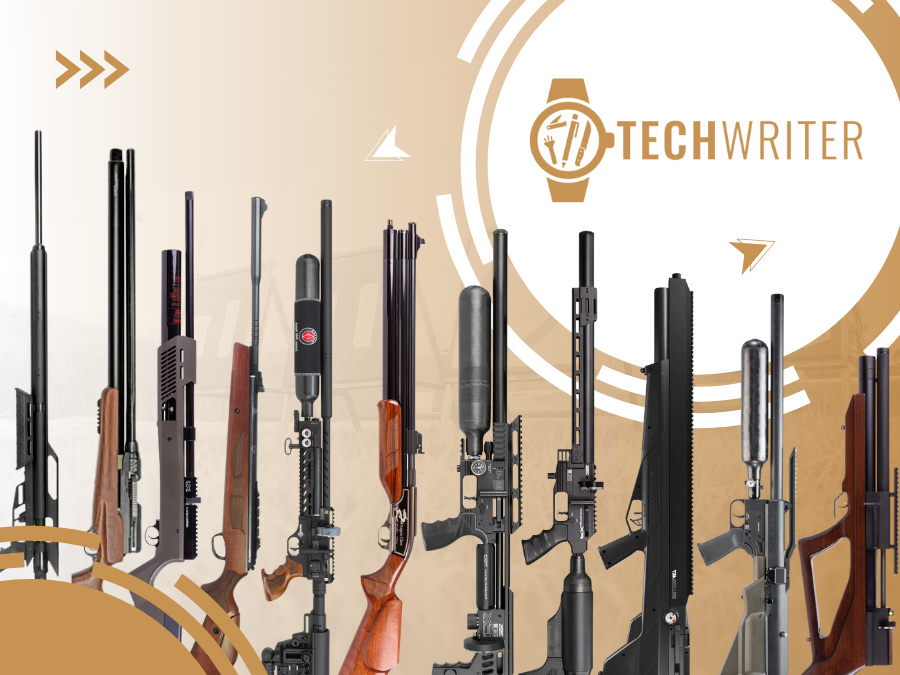
The Most Powerful Airguns You Can Buy | From Backyard Legends to .72 Caliber Monsters
There’s a lot of junk floating around in the airgun world. I’ve been shooting them for over 40 years, and I’ve seen everything from cheap backyard plinkers to rifles that could take down game you’d normally associate with a centerfire. If you’re reading this, you’re probably looking for the latter — the real heavy-hitters.
Now, let me be upfront: I don’t own every rifle on this list. A lot of these are expensive, and many are tough to even get your hands on. But I’ve spent months researching them, talking to owners, digging through industry reviews, watching hours of footage, and even getting trigger time with a few of the big names. At least 100+ hours went into this list. Combined with my decades of experience shooting and testing airguns, I’ve narrowed it down to the models that actually deliver on power, accuracy, and usability — not just hype.
This isn’t a fluff list pulled together by someone who’s never touched an air rifle. These are my personal picks, chosen because they represent the top end of what’s possible in modern airguns. Some are precision-engineered European PCPs, some are American workhorses, and all of them are rifles that seasoned shooters talk about with respect.
If you want a toy, there are plenty of cheap rifles out there. But if you want raw power, accuracy, and serious performance in the field, here are the most powerful airguns you can buy.
FX Impact M4
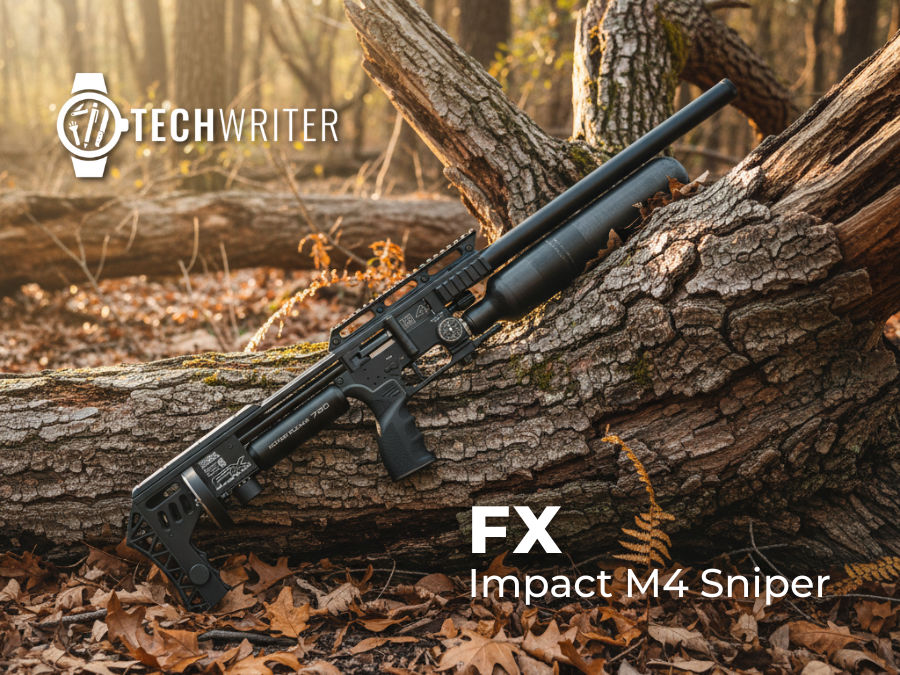
The Pinnacle of Modern PCP Design
The FX Impact line has always been about pushing boundaries, and the M4 is the most refined version yet. It combines decades of incremental improvements into one rifle: external adjustments for valve, regulator, and hammer spring, caliber-swapping barrels, and a bullpup tactical look that helped define a generation of PCP rifles.
The real kicker? The aftermarket ecosystem. You can find endless upgrades, accessories, and tweaks, which means the Impact M4 can evolve alongside your shooting style. In my research, competitive shooters and hunters alike praised it for long-range accuracy and sheer versatility. One shooter I spoke with went so far as to say it’s the “pinnacle” of modern PCPs, and after diving into the data, it’s hard to argue.
Why I Picked It: A powerhouse PCP with limitless customization and the proven accuracy to back up the hype. Priced Around $2,300
Hatsan Sniper Long .30 Caliber
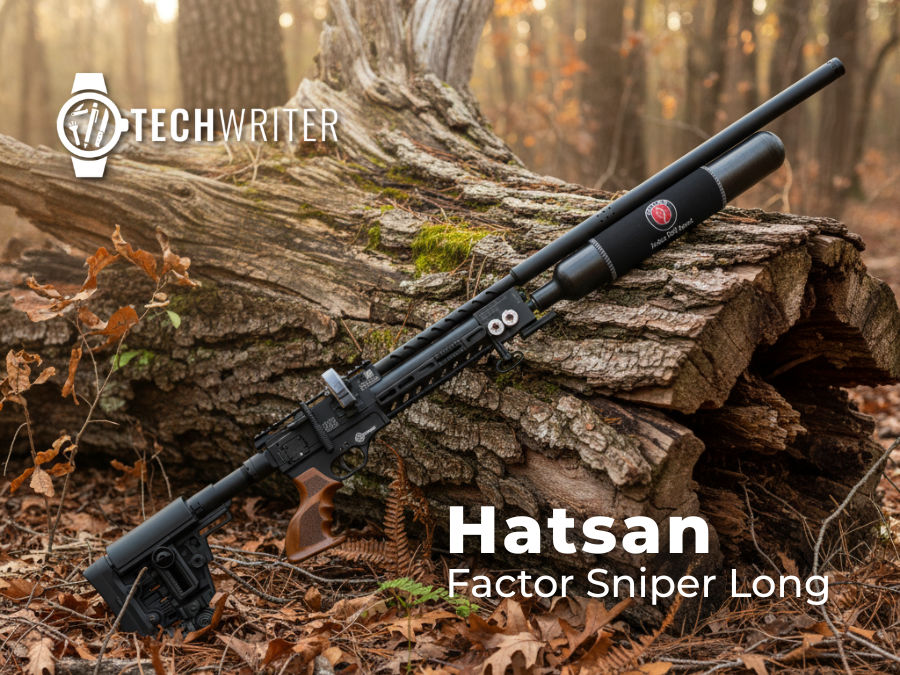
A True Long-Range Heavy Hitter
Hatsan has always had a reputation for building air rifles that punch way above average, and the Sniper Long in .30 caliber is no exception. This PCP is built like a tank — over 50 inches long with a massive 30-inch barrel and a carbon fiber bottle that can keep you shooting for hundreds of rounds on a single fill.
What impressed me in my research is the rifle’s balance of raw power and adjustability. Tuned properly, it can hit over 1,000 fps with heavy pellets, but most shooters run it in the 900s for accuracy and consistency. In penetration tests I reviewed, it easily blew through multiple layers of stainless steel, ballistic gel, and even three 2.5-gallon water jugs. It’s also surprisingly backyard-friendly; despite its size, the rifle is quiet enough not to disturb neighbors.
The Sniper Long is tunable from top to bottom — regulator, hammer, trigger, and stock — so experienced shooters can really dial it in. It’s not a lightweight rifle, and at over four feet long, it’s definitely best suited for benchrest or long-range hunting setups. But when it comes to sheer power in a refined package, this one deserves a spot near the top.
Why I Picked It: The Hatsan Sniper Long offers magnum-class power, adjustability, and endurance, making it a standout choice for shooters who want serious long-range punch. Priced Around $1,300
Benjamin Bulldog BPBD4S .457 PCP
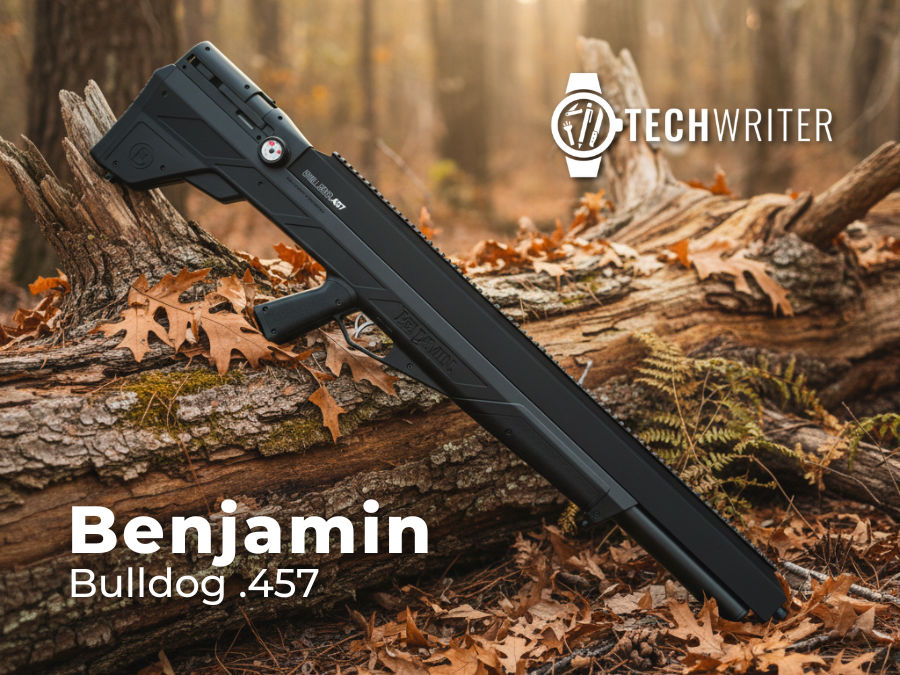
Compact, Practical, and Packs a Serious Punch
The Bulldog has been a fan favorite in .35 caliber for years, but the .457 takes things into a whole new league. At just over 36 inches long, it’s surprisingly compact for a big bore. Don’t let the size fool you, though — this rifle can deliver over 400 foot-pounds of energy on its first shot, and still close to 400 on the second. That’s serious hunting power from a platform that’s not a burden to carry into the woods.
In my research, the Bulldog consistently impressed shooters with its practical balance of size, power, and usability. The trigger breaks cleanly at around a pound and a half, the sidelever action cycles smoothly, and the design is simple enough to top off with a small pony bottle since it fills to just 3000 PSI. Real-world testing showed two highly accurate shots before pressure drops off, which is exactly what most hunters need: one clean shot, and a backup if necessary.
Aesthetically, the Bulldog isn’t going to win any beauty contests — even longtime reviewers admit it’s not much to look at. But the consensus is clear: when you’re looking down the scope, appearance doesn’t matter. Accuracy and power do, and this rifle delivers both.
Why I Picked It: The Bulldog .457 is one of the most practical big bore PCPs available — compact, powerful, and perfect for hunters who want over 400 FPE without hauling a massive rifle. Priced Around $1,000
Umarex Hammer Carbine .50
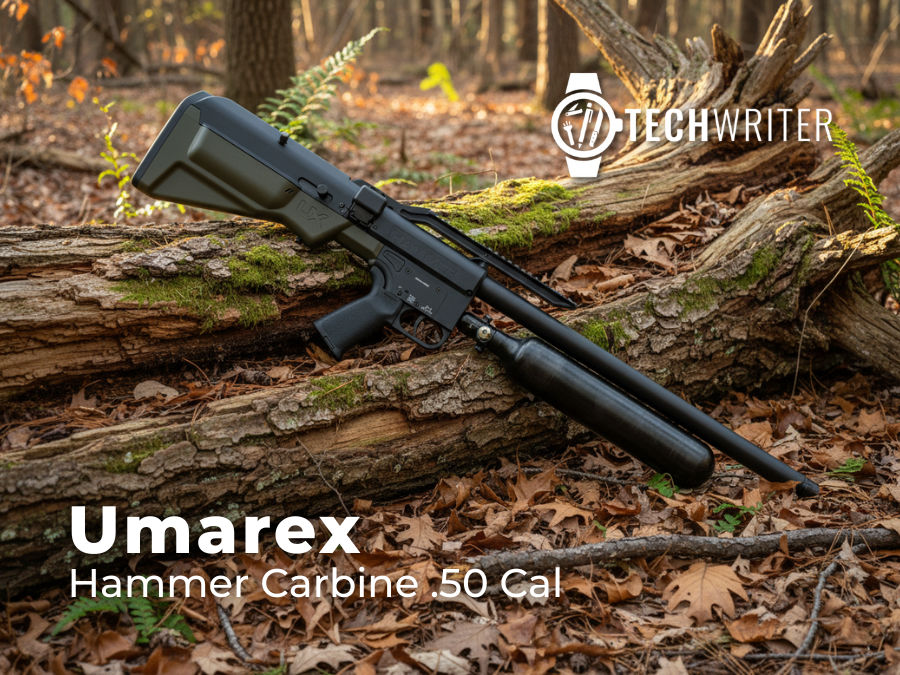
Serious stopping power in a compact package
The short version of the Hammer is exactly what it sounds like. A fifty caliber PCP that keeps the 24 inch barrel and trims the overall length to about 34 inches. It fills to 4350 PSI with a 3000 PSI regulator and is designed for four tight shots in a row.
In my research I saw consistent first shot precision and tight follow ups, especially when shooters tethered to a small HPA bottle to keep pressure flat. With 350 grain slugs the carbine can run around the low eight hundreds for roughly mid five hundreds in foot pounds. Swap to the heavy 550 grain slugs and you still get stout energy with excellent on target authority.
The controls are straightforward. Two round magazines, bolt action, long optics rail, quick disconnect Foster fitting, and a tone that is not backyard friendly. This is a field rifle. The trigger is simple and predictable, recoil is there but manageable from the bench, and the short overall length makes it easy to move through brush or into a blind.
The carbine rewards focus. When shooters settled in at 35 to 50 yards the groups stacked. Add a tether and it becomes a steady hammer that just keeps driving.
Why I picked it: True fifty caliber power in a short rifle that still prints tight groups when you do your part. Priced Around $1,100
AEA Zeus .72 Caliber
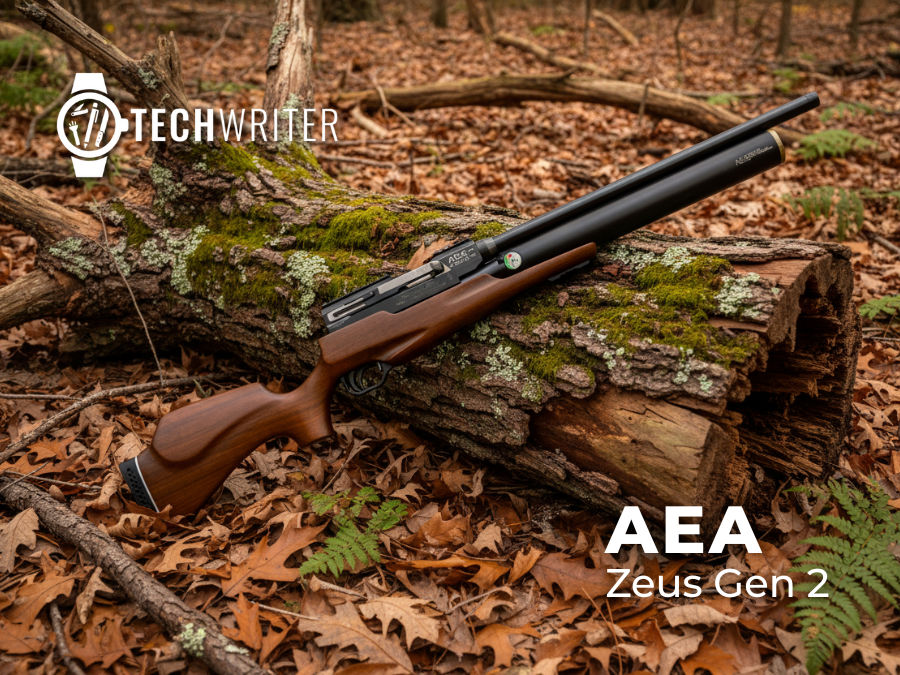
Ridiculous big-bore power that borders on absurd
If you’re shopping for raw impact, the Zeus is the sledgehammer. It throws true seventy two caliber slugs, the kind of projectiles that look more like trimmed shotgun slugs than pellets. In my research I saw consistent reports of 500 to 800 plus grain bullets leaving the barrel at serious speeds and producing energy figures that creep into the four digit range. Think around fifteen hundred foot pounds with the right load. Recoil is real. Air use is heavy. You refill often. That’s the deal you make for this level of authority.
The format is simple and stout. Single loading through a side lever, enormous air reservoir, few shots per fill, and a report that belongs far from the backyard. Accuracy at practical ranges is better than most expect when you do your part. The Zeus is not a finesse PCP. It is a purpose built blaster for shooters who want maximum frontal area and momentum and are willing to live with the size, noise, and appetite that come with it.
Why I picked it: It is the benchmark for sheer airgun power, delivering truly massive energy in a platform that does exactly what it promises.
FX Dynamic Express 500
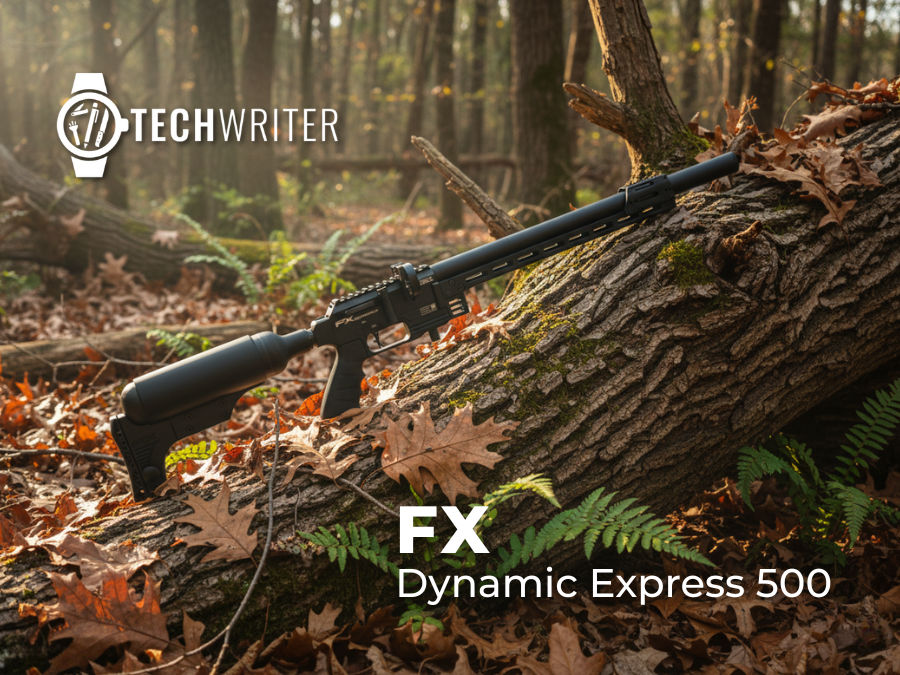
A compact FX that actually wants to hunt
FX built the Dynamic line to bridge competition precision with field utility, and the Express 500 is the sweet spot. Shorter 500 mm barrel, full chassis with ARCA underneath, plenty of M-Lok, and a carbon fiber 480 cc bottle.
It fills to 250 bar, runs the Smooth Twist liner system, and gives you macro and micro power adjust plus a proper regulator so you can tune for pellets or heavier slugs without turning the rifle into a science project. The rail is canted for long-range dialing, but you will want higher rings to clear the thicker magazines.
In my research I kept seeing the same things: very consistent numbers over a chrono, five-shot groups at 50 meters that look like they came from a much longer rifle, and shot counts that make sense for real range time.
In .22, testers were pulling about thirty to thirty four foot-pounds depending on projectile, with extreme spreads that stayed tight over long strings. It is not the lightest rig and the angular chassis feels more “range” than “woods,” but add a moderator and it becomes civilized enough to live with while still hitting like a proper FAC PCP.
Why I picked it: Real accuracy and tunability in a shorter package, with enough power for serious .22 work and the control to make every shot count. Priced Around $1,800
AirForce Tex-Rex .510 Cal
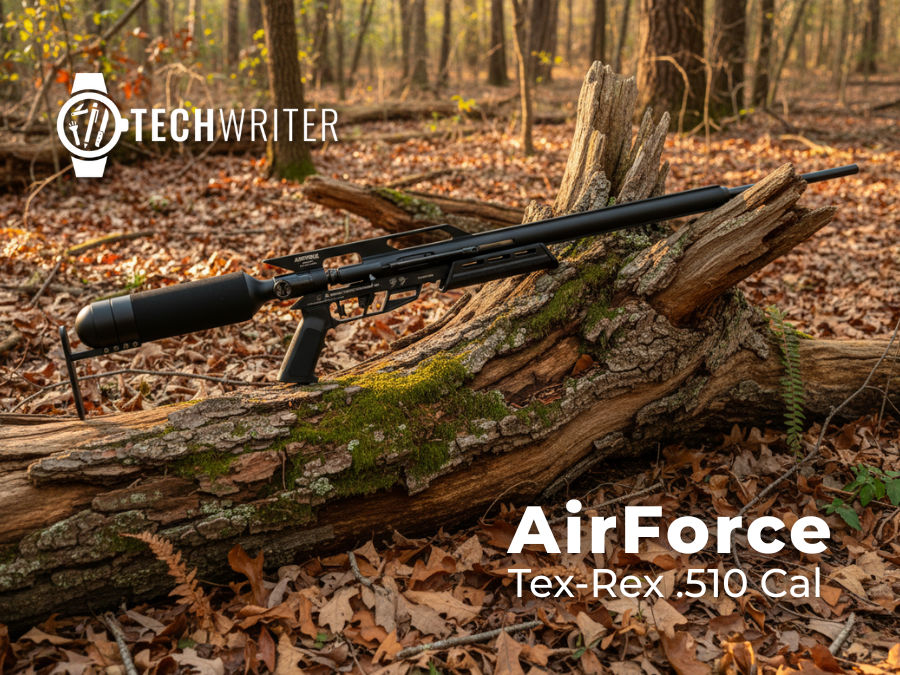
A 50 that hits like a truck and reaches way out
AirForce built the Tex-Rex to do one thing and it does it well. Deliver serious energy with big slugs and keep that accuracy past the ranges most people ever try with a big bore. In my research I saw 385-grain slugs around a thousand feet per second for eight hundred plus foot pounds on a 4000 PSI fill, with reports of crossing nine hundred foot pounds when topped to 4500.
Even the heavy 620-grain slugs were clocking in the low eight hundreds. That is no joke from an air rifle and it shows on steel, cinder blocks, and game-sized targets.
What stood out just as much was practical accuracy. Shooters were stacking shots at 50 and 75 yards and ringing eight inch plates at 200 once they had a steady hold and a good tune. Recoil is real and you need to shoulder it like a rifle. Shot count is limited at full steam, but the platform is straightforward, the side-lever cycles cleanly, and the rifle carries better than most big bores in this power class.
Why I picked it: Proven power with real downrange performance. If you want a big bore that can hunt hard and still play at 100 to 200 yards, the Tex-Rex belongs on the shortlist. Priced Around $1,400
Norica Viriatus 2.0
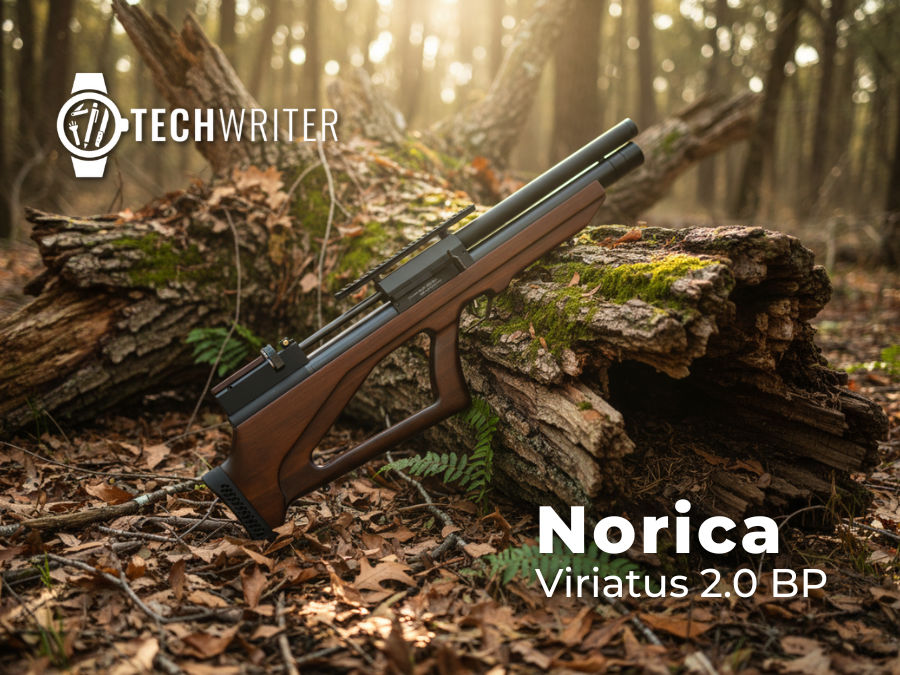
Compact bullpup with real power and an easy tune
This one is not a wrist snapping big bore. It is a smart bullpup that delivers honest power for its size and makes tuning simple. The Viriatus 2.0 runs a regulated system with a forward side lever, an 18 inch Lothar Walther barrel, and a 340 cc cylinder at 250 bar.
In .22 I kept seeing about thirty three foot pounds with factory tune and long, repeatable strings thanks to the 110 bar regulator. Shot counts are solid and the trigger is better than you expect at this price. The external power screw actually works.
Turn it down to park 18 grain pellets around the high eight hundreds for accuracy or wind it up for heavier 25 grain pellets. Groups at 36 to 50 yards were easy to call once the velocity was set.
Ergonomics are straightforward. Light overall weight. Short overall length. Magazine capacities that make sense across calibers. The report is backyard friendly with that partial shroud and the side lever is smooth. This is the kind of rifle I flag for small game hunters who want power you can actually use, a regulator that keeps things predictable, and a tune you can dial without a bench full of tools.
Why I picked it: A compact regulated bullpup that pushes real .22 power with a sweet trigger and a simple external tune. Priced Around $1,200
Umarex Gauntlet 2 SL .30
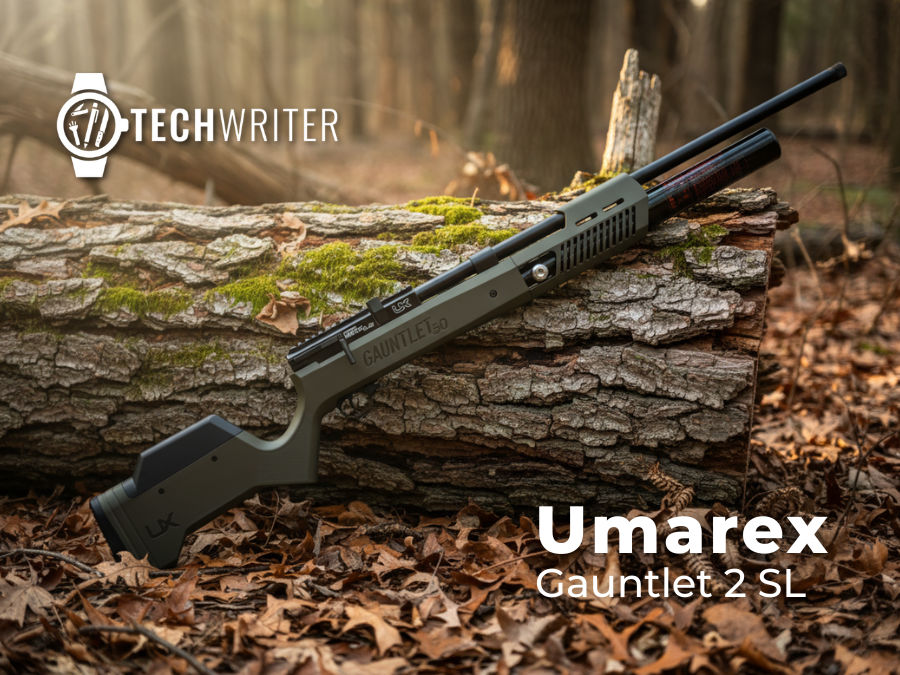
A budget bruiser that gets real power and real groups
The Gauntlet has always been a value play. The SL version fixes the only thing I never loved about the line by swapping the bolt for a smooth side lever, and it brings serious .30 cal power along with it. You get a regulated system, a 4500 PSI fill, a 24 cubic inch removable cylinder, and a factory reg set around 2800 PSI in .30. Out of the box it wants to push heavy pellets fast. In my research I saw 44 to 50 grain pellets around the mid to high nine hundreds with energy near the 100 foot pound mark. That is a lot of thump for the price.
The important bit is tune. There is a rear hammer spring adjuster, so you can bring velocity down to the high eight hundreds where most pellets group best. Do that and this rifle settles in.
Fifty yard groups around an inch were repeatable with multiple pellets, and shot count stays practical at about two dozen per fill in .30. The shroud has internal baffles and a half by twenty thread if you want to add a moderator. Rails, adjustable cheek, M Lok slots, and two mags are included. It is not light and it is not dainty, but it runs and it hits.
Why I picked it: Legit .30 caliber power with simple tuning and a side lever, all at a price that makes sense for real shooters. Priced Around $550
Hatsan Model 135 Vortex QE Carnivore (.30)
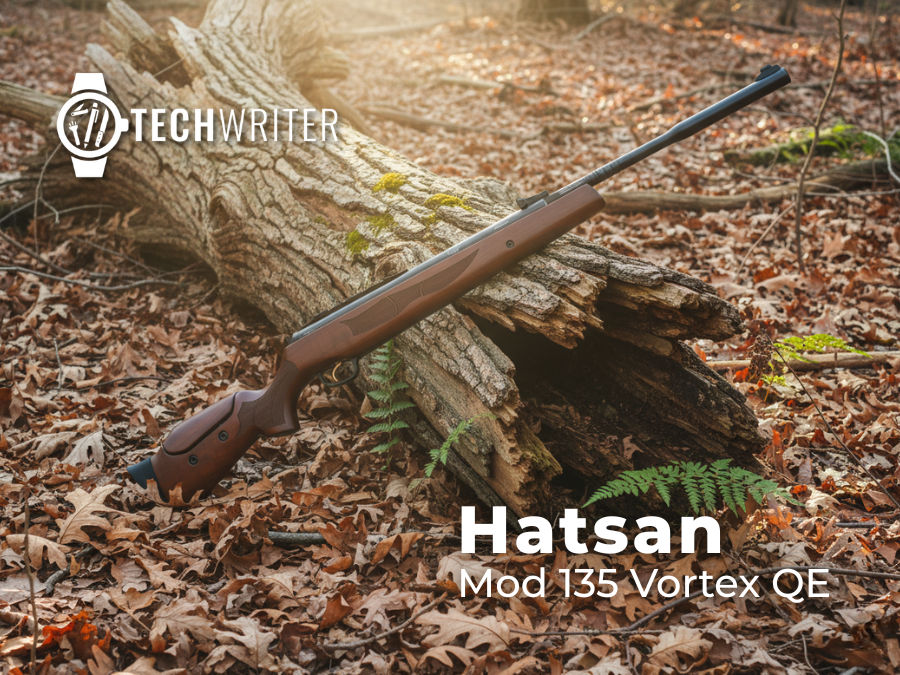
The hardest-hitting break-barrel you can realistically live with
If you want springer simplicity with real knockdown, this is the one. The 135 Carnivore is a .30 caliber, gas-piston break-barrel with Hatsan’s QE shroud, open sights, and a legit Turkish walnut stock.
In my research, the big .30 pellets—44.75 grain JSB/Hatsan—clock right around the mid-500s fps, which lands you in the 30–31 ft-lb window at the muzzle and still in the low-20s at 50 yards when you do your part. That’s serious small-game energy from a single-stroke platform.
This rifle is heavy, the cocking effort is no joke, and it demands springer fundamentals: consistent hold, follow-through, and patience. Do that and it reaches farther than you’d expect for a big-bore break-barrel.
The adjustable cheekpiece and buttpad help you get square behind the gun, the trigger is workable, and I like that Hatsan leaves proper open sights on a suppressed barrel—handy in the field if a scope takes a knock.
Why I picked it: It’s the benchmark for powerful break-barrels—honest 30 ft-lbs, real 50-yard usefulness, and rugged build for hunters who want springer reliability with big-bore bite. Priced Around $375
Seneca Dragon Claw .50
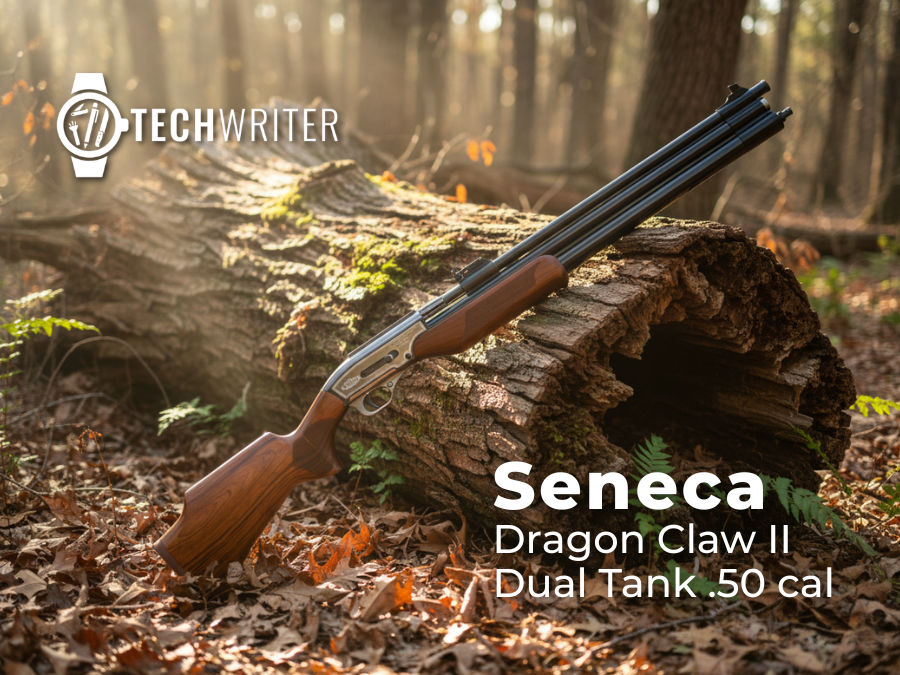
Classic big-bore power with surprising smoothness
The Dragon Claw has been around a while, but the newest version proves it’s still a serious contender in the .50 PCP world. Dual 500cc air cylinders running at 200 bar give you a real-world 10–15 full-power shots per fill, which is excellent for a big bore. With heavy 336 grain slugs, velocity hovers around 680 fps, translating to roughly 345 ft-lbs of energy—plenty of punch for deer-sized game inside ethical distances.
What stood out in my research is how flat and repeatable the shot curve is. Instead of the usual “one great shot, then a steep decline” you see in many big bores, the Dragon Claw holds POI steady across its string. At 35, 50, and even 70+ yards, it will reliably keep shots inside a kill zone if you do your part. It’s loud, single-shot, and hefty at 8.5 lbs, but the recoil is surprisingly mild for a .50, making it very manageable.
The two-stage “low/high power” bolt is a nice feature, but most shooters will leave it on high and enjoy consistent groups. Between the traditional look, simple design, and trustworthy performance, it’s no wonder this rifle has built a following among hunters who want affordable, repeatable big-bore capability.
Why I picked it: The Dragon Claw isn’t just powerful—it’s consistent. For a .50 caliber air rifle under two grand, it delivers one of the smoothest, most repeatable shooting experiences out there. Reliable accuracy, real-world hunting power, and simple mechanics earn it a spot on my list. Priced Between $750 to $800
Diana Outlaw Gen2 PCP Air Rifle
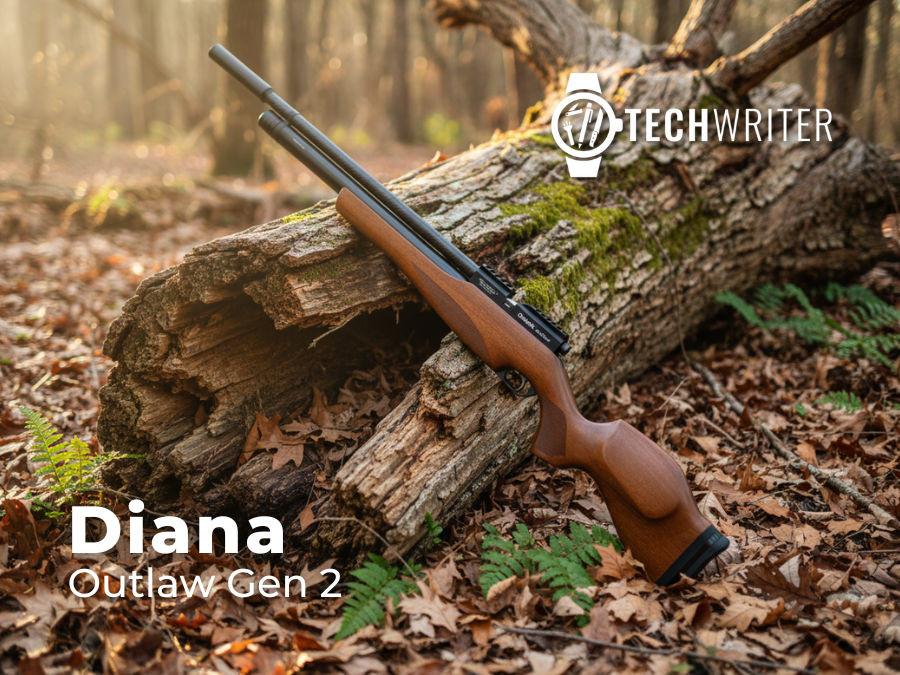
A polished return for a classic regulated PCP
The Outlaw Gen2 brings Diana’s mid-tier PCP back into the spotlight with a refreshed design and features that make it feel more modern than its first iteration. This side-lever rifle carries a regulated system set around 140 bar, giving you consistent shot strings and accuracy that holds together nicely inside typical airgun hunting ranges.
The wood stock is well-finished, the fit and finish are clean, and extras like the carbon-fiber shroud, included moderator, sling mounts, and M-LOK slots give it a “premium but practical” feel.
In .177, which is what I dug into, the rifle clearly favors heavy pellets. The 16.20 grain JSB Beasts shot at around 830 fps, producing excellent groups at 25–40 yards that rival much pricier rigs. Lighter pellets risked going supersonic, which hurt consistency.
Shot count falls around 30–40 per fill from the 210cc cylinder at 3600 psi, more than enough for a serious afternoon of plinking or small-game hunting. Ergonomically, the side lever is smooth, the adjustable trigger breaks clean, and the rifle balances well at 6.6 pounds.
The main limitation is range—out past 50 yards groups start to open up, and if you’re planning longer shots the .22 version might be the smarter pick. But inside of 40, the Outlaw Gen2 is a laser. It’s one of those rifles that makes you enjoy shooting simply because it feels sorted and predictable.
Why I picked it: The Outlaw Gen2 is a polished, regulated PCP that hits a sweet spot between performance, refinement, and price. With heavy pellets it’s impressively accurate and smooth, making it a dependable all-rounder for hunters and target shooters alike. Priced Around $650
JTS Airacuda Max (.25)
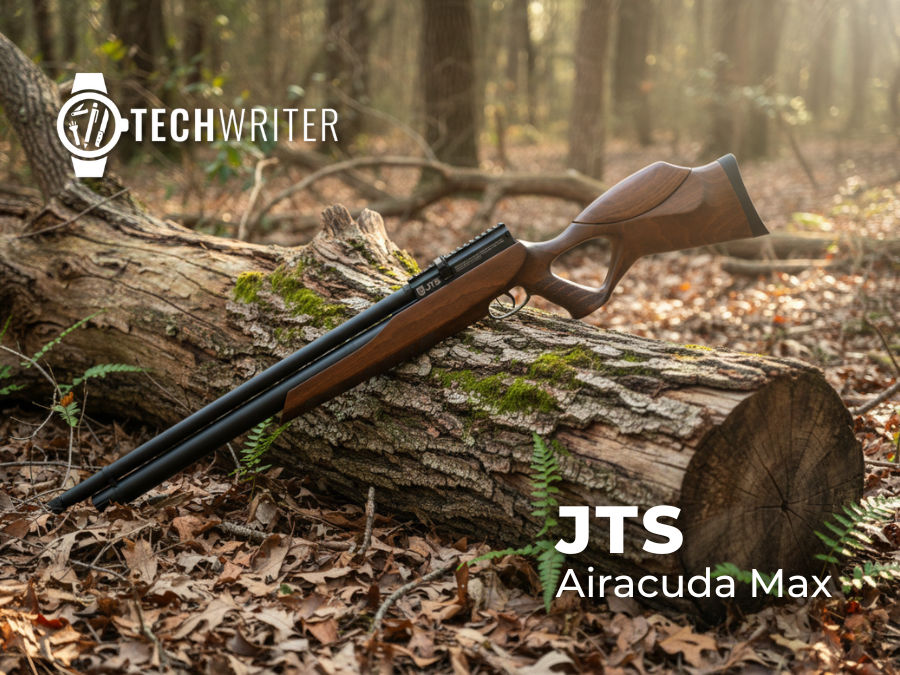
A sub-$500 PCP that seriously punches above its weight
From all the testing and teardown videos I’ve studied, the Airacuda Max is one of those rare budget rifles that feels “sorted.” Nearly all-metal construction (including the mag), a smooth side-lever, and a machined Picatinny rail give it a premium vibe, while the simple, well-balanced valve/hammer setup delivers the goods without a regulator.
With 25-grain pellets, multiple independent chronograph tests show ~890–900 fps (about 45 ft-lb) on the hot end—plenty for small-game work—and a genuinely useful shot curve: roughly the first 20 shots live in the sweet spot from a 3,000 psi fill, with another 10 or so “stalking” shots before you’re due for air. The external power wheel is crude but effective for trimming velocity, and the trigger is a clean, predictable two-stage.
Accuracy is the real headline. At 50 yards, the Max keeps tight, repeatable groups on a steady diet of common .25 ammo (think JSB Kings/Heavies, H&N Barracudas). Several reviewers also rang steel at 100 yards once they found the right pellet—impressive for an unregulated platform in this price class.
Practical notes from my research: if you plan to add a moderator, the shroud cap can be stubborn (thread-locked) and a larger-bore moderator helps avoid clipping; also, keep the barrel band either snug-snug or fully floated to prevent zero shift after bumps.
The Max’s thumbhole stock and larger air tube make it a little chunkier than the standard Airacuda, but you’re buying easy handling, real-world power, and a shot string that “just works.”
Why I picked it: Based on decades around airguns and a deep dive into owner tests, this is the budget .25 that consistently shoots like it costs twice as much—45 ft-lb, honest 50-yard precision, and metal build quality you rarely see under $500.
Hatsan Hercules Bully (.30)
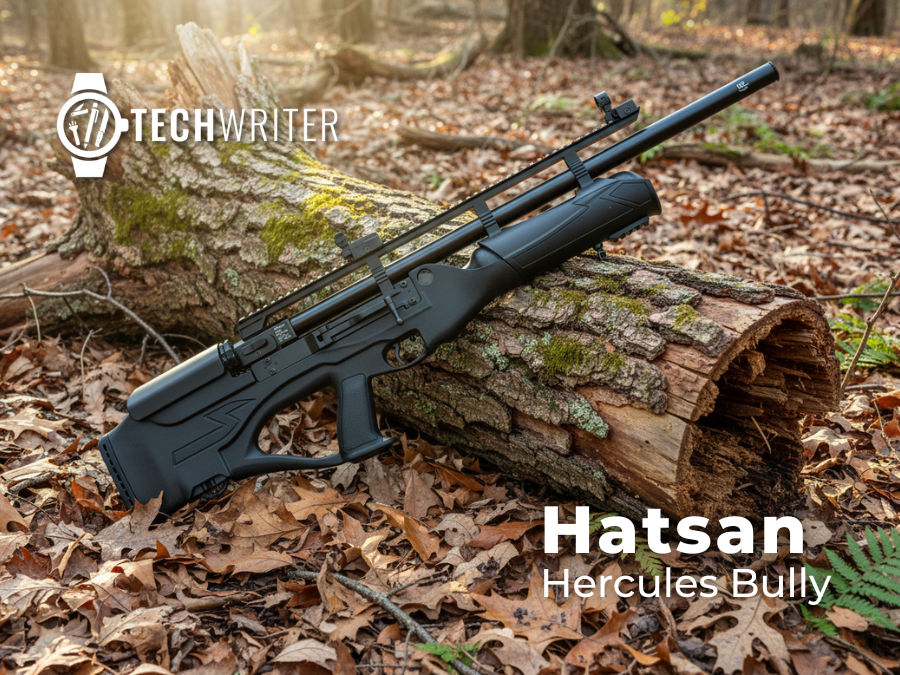
A bullpup big bore built to hit hard
The Bully is Hatsan’s answer to the oversized original Hercules. By slimming it into a bullpup with a single carbon-fiber tank, it keeps the raw power but makes the rifle far more manageable in the field. In .30 caliber, it launches heavy pellets with authority and has no trouble staying accurate well past typical hunting ranges.
Real-world testing shows the first magazine of 10 shots holding excellent velocity and consistency, with more than enough punch for serious small- and medium-game work.
What impressed me most in my research is the way this gun balances sheer horsepower with practical accuracy. At 30–70 yards it will chew one ragged hole, and it’s still confident out to 100 yards with the right pellet.
It’s not backyard quiet, but Hatsan’s shrouded barrel takes the edge off. The included three magazines, adjustable cheek riser, and overall handling make it clear this is designed for hunters who want field-ready power without the bulk of the original Hercules.
Why I picked it: The Bully is one of the few big-bore bullpups that actually feels balanced in the hands while still delivering the kind of authority Hatsan is known for. Usually Under $800
RAW HM1000x Mini LRT
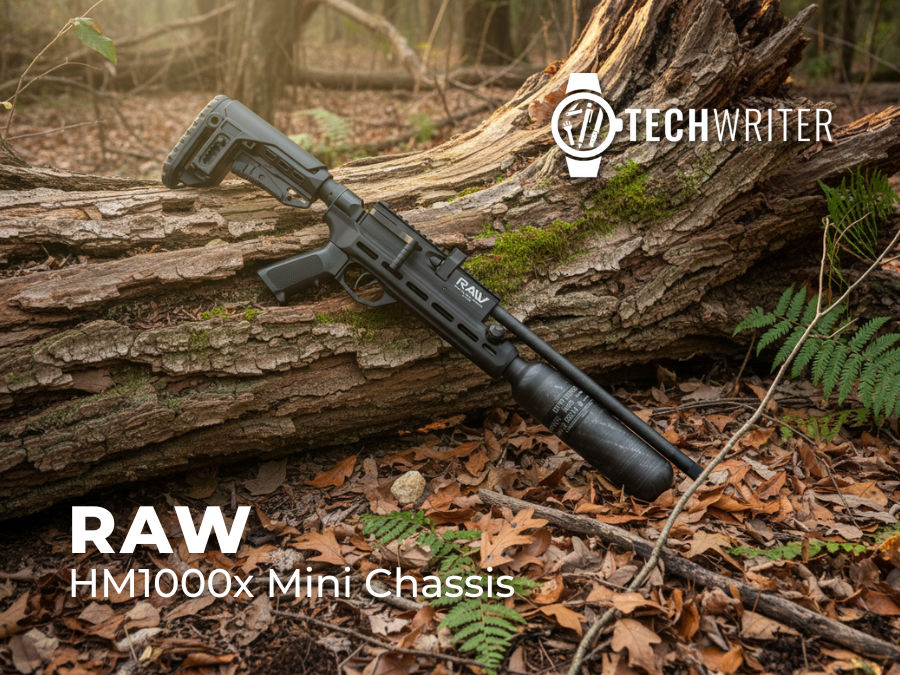
Benchrest DNA in a compact hunter’s rifle
The RAW HM1000x Mini LRT takes everything shooters like about the big RAW platforms—serious triggers, regulated consistency, and match barrel accuracy—and trims it down into a lighter, more maneuverable rifle.
Built in the USA with a polygonal Lothar Walther barrel, sidelever action, and a 490cc carbon fiber bottle, the Mini still pushes 22 and 25 caliber pellets with authority at around 40 to 50 foot pounds while giving excellent shot counts and flat flight.
What stands out is how easy it is to shoulder and shoot. The balance makes long sessions less of a chore, and the adjustable cheek piece, butt stock, and trigger mean you can dial it to fit. In testing, the rifle stacked pellets at 35 to 50 yards once the right ammo was chosen, acting more like a rimfire than an air rifle. A few quirks showed up with barrel adapters and hammer spring tuning, but the core platform is rock solid and very refined.
Why I picked it: A true enthusiast’s rifle that brings RAW’s accuracy and reliability into a smaller field friendly build. It is benchrest precision in a hunting ready package. Priced Around $1,900
Benjamin Armada .25
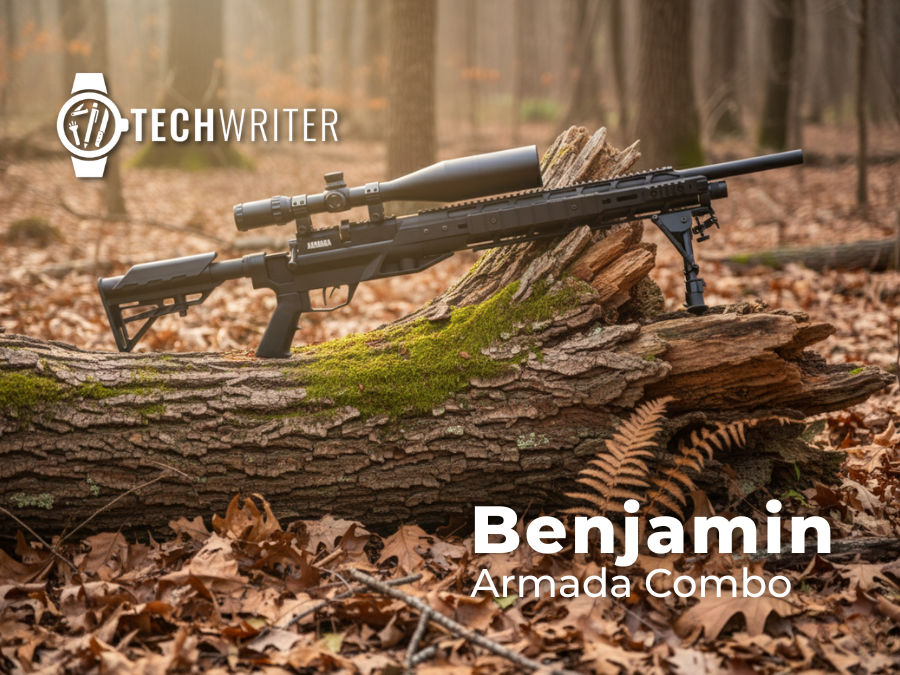
Tactical done right in a PCP
Benjamin’s Armada has been around long enough to prove itself, and it still stands as one of the better tactical-style PCPs.
Instead of chasing gimmicks, it delivers what matters: solid shot-to-shot consistency, a quiet shrouded barrel, and a platform you can tweak endlessly with AR-style grips, stocks, and rails. In .25 with JSB Hades, it pushes around 800 fps for roughly 38 ft-lb and gives you three good magazines’ worth of shots from a 3000 psi fill.
Accuracy is what you’d expect from a Crosman/Benjamin barrel—steady groups at 50 and even 100 yards if you find the right pellet.
The Armada isn’t regulated, but it doesn’t seem to matter much; stay between 3000 and ~1300 psi and it holds a tight spread. The trigger is clean, the ergonomics are pure AR, and aftermarket support is huge. It’s heavier and chunkier than a wood-stocked hunter, but if you like the tactical aesthetic, this one nails it.
Why I picked it: A proven .25 that balances power, accuracy, and modularity. It’s one of the few “tactical” PCPs that isn’t just for looks—it actually shoots. Priced Around $850
Air Venturi Avenger .25
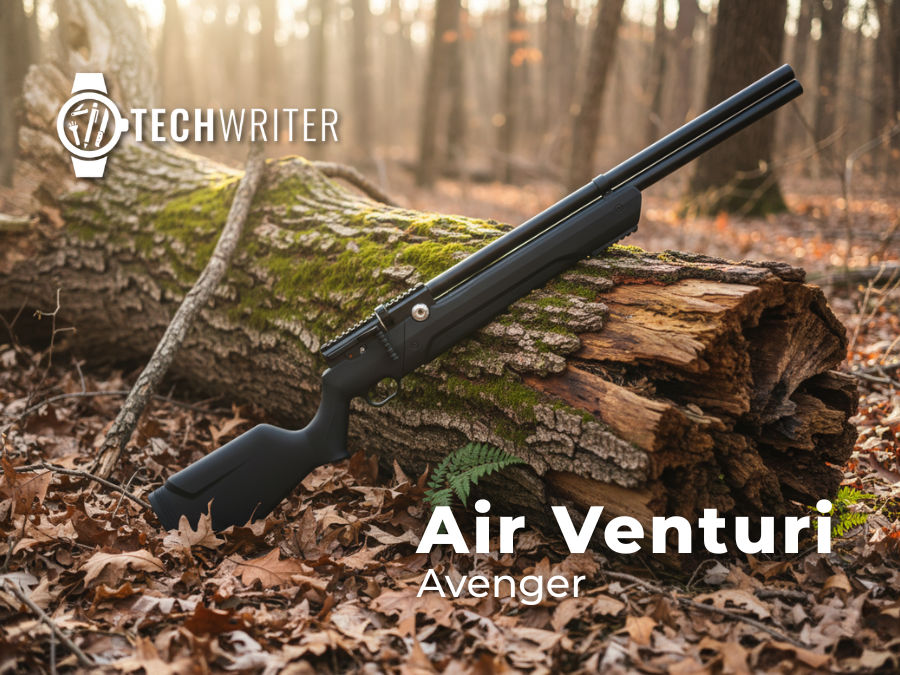
The budget PCP that reset the bar
When the Avenger hit the market, it basically embarrassed every other “entry-level” PCP. For under $300 you get an adjustable regulator, hammer spring tuning, side lever action, and a trigger that feels like it belongs on a rifle twice the price. In .25, the Avenger pushes 25-grain pellets right in the mid-800s, stacking them at 50 yards like it has no business being this cheap.
From my research, the magic is how consistent it is across a fill—this isn’t a gun that gives you five good shots and falls on its face. It delivers real-world accuracy and usable shot count that make it more than a starter rifle.
The plastic stock reminds you where the corners were cut, but that’s about the only giveaway. Everything else feels thought out, from the dual pressure gauges to the Foster fill. With a little time on the bench and the right pellet, it can absolutely hang with rifles in the $600–$800 tier.
Why I picked it: Pound for pound, the Avenger is still the best value PCP out there. Affordable, accurate, and endlessly tunable—it’s the rifle I recommend most to shooters starting out in PCPs. Priced Around $450
High-Powered Airguns: Why These Models Stand Out
There’s no shortage of big-bore and high-power air rifles on the market today. From boutique builds to mass-produced powerhouses, the options are overwhelming—and honestly, a lot of them are capable of impressive numbers on paper.
But this list isn’t just a catalog of the heaviest hitters. It’s the result of digging through reviews, chronograph tests, teardown videos, and countless hours of firsthand feedback from shooters who live with these rifles.
These are the guns that consistently rose to the top in terms of real-world accuracy, repeatable power, and build quality. They’re not all perfect, and they’re not all cheap, but each one brings something unique to the table that made it stand out from the crowd.
After four decades around airguns, I’ve learned that numbers only tell half the story—how a rifle shoulders, how it groups when the wind picks up, and how it holds up after a few thousand rounds matters just as much.
So while there are plenty of heavy-hitting rifles out there, these are the ones that earned a place on my list based on the best data I could find and the kind of performance I’d actually trust in the field.

Blair Witkowski is an avid watch nut, loves pocket knives and flashlights, and when he is not trying to be a good dad to his nine kids, you will find him running or posting pics on Instagram. Besides writing articles for Tech Writer EDC he is also the founder of Lowcountry Style & Living. In addition to writing, he is focused on improving his client’s websites for his other passion, Search Engine Optimization. His wife Jennifer and he live in coastal South Carolina.