

Pellet Guns vs BB Guns: The Definitive Guide for Shooters
Quick Take: Pellet guns are the go-to choice for accuracy, power, and hunting. BB guns shine when it comes to cheap fun, backyard plinking, and realistic training replicas. I’ve been shooting both since I was a kid — my first air rifle came from a Gander Mountain catalog — and after decades of use, the line is clear: use a pellet gun when precision matters, use a BB gun when you just want to blast cans.
Why This Comparison Matters
The world of airguns has fascinated shooters for over a century. For many of us, they were the gateway into shooting sports — a first BB pistol tucked under the Christmas tree or a pellet rifle ordered from a catalog. I got my first air rifle back in the fourth grade, and I’ve been hooked ever since.
Today, pellet guns and BB guns are more popular than ever, but confusion still lingers. They look similar, both run on air or gas, and both are fun to shoot. But beyond the surface, they’re very different tools with unique strengths and weaknesses.
This guide cuts through the noise. I’ll break down the differences, compare performance, dive into costs, and give you the real-world perspective from someone who has used both for decades.
Ammunition: The Core Difference

The simplest way to separate BB guns from pellet guns is by their ammo.
BBs are round, .177 caliber spheres, usually made of steel. They’re cheap, plentiful, and great for volume shooting. But their spherical shape makes them aerodynamically poor, meaning they lose accuracy fast and tend to ricochet.
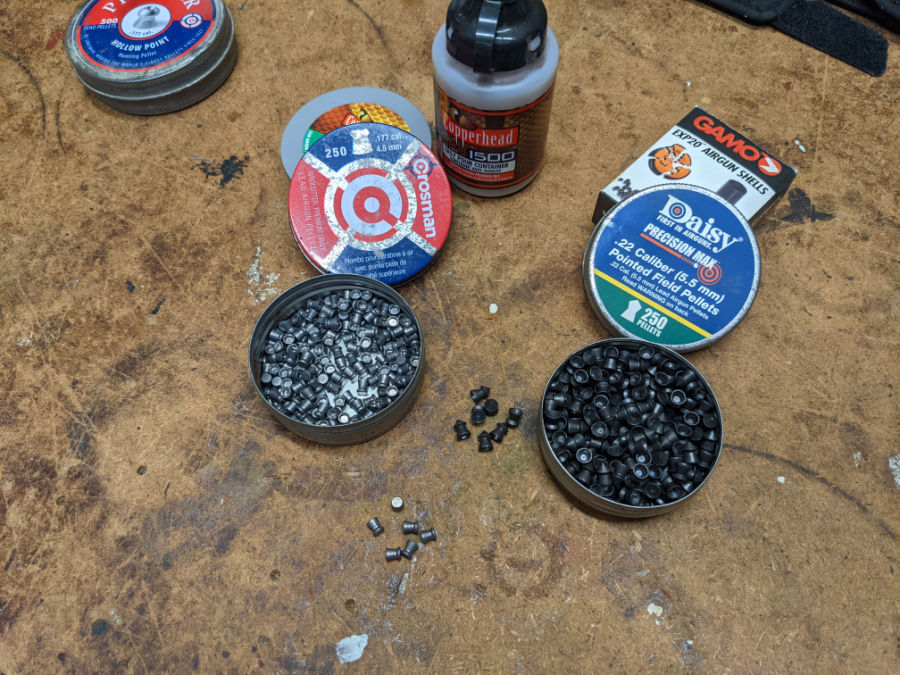
Pellets are shaped projectiles — typically diabolo-shaped with a skirt at the base that expands to seal the bore. They’re made of lead or alloys, and come in multiple calibers (.177, .22, .25, and larger). Their aerodynamic design engages rifling, stabilizes in flight, and drastically improves accuracy.
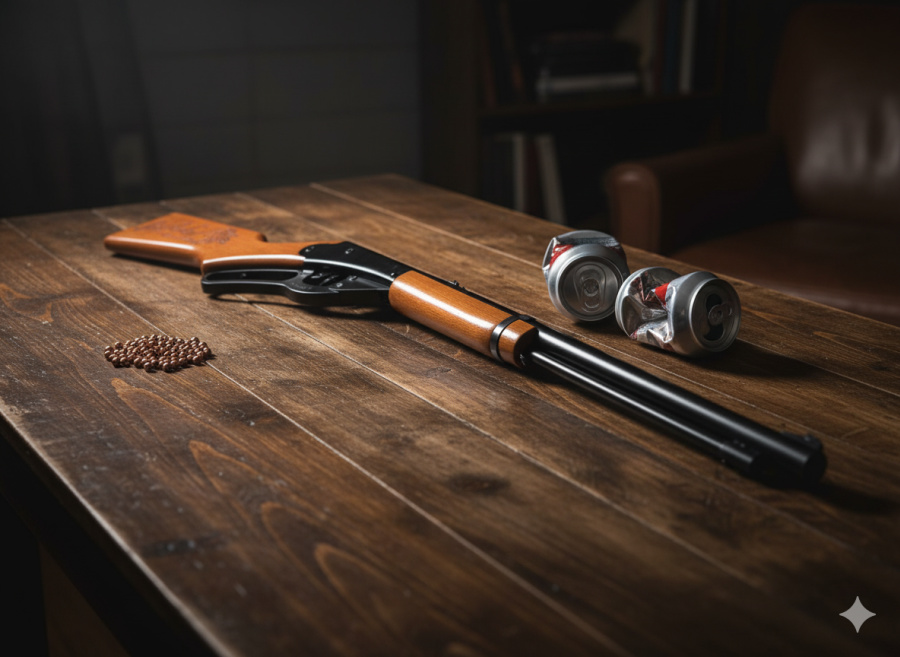
Real experience: The first time I shot soda cans with each, the difference was clear. BBs bounced unpredictably around the yard. A pellet punched a clean, satisfying hole right through.
Powerplants: How They Work

Both BB guns and pellet guns come in different powerplant styles, but performance differs depending on the design.
For BB Guns:
CO₂ Powered: The most common. A 12g cartridge fuels pistols and rifles, delivering semi-auto fun. Downside: accuracy fades as the cartridge chills.
Spring-Powered: Cheap, cock-and-shoot simplicity. Best for kids or casual plinking.
Pump Pneumatic: Great starter guns. Low power, safe for teaching basic shooting skills.
For Pellet Guns:
Spring Piston (Springer): A cocked spring drives a piston to compress air. Reliable and powerful, great for hunting small game.
Gas Piston: Similar to springers, but smoother and often easier to cock.
PCP (Pre-Charged Pneumatic): The king of modern pellet rifles. Store high-pressure air in a tank, get dozens of shots, and enjoy firearm-like accuracy. Yes, these can take down big game.
Pump Pneumatic: Single or multi-pump designs, often accurate and versatile for beginners.
Practical note: CO₂ is fun for BB replicas but costs add up with cartridges. PCPs are unmatched for hunting, but require extra gear like a compressor. Springers remain the middle ground — reliable, powerful, and affordable.
Accuracy and Range
This is where the gap really opens.
Pellet Guns: At 25 yards, a quality .177 pellet rifle can stack shots into a quarter-sized group. Modern PCPs can stay precise past 100 yards.
BB Guns: At 10 yards, they’re fine for soda cans. At 25 yards, you’ll be lucky to stay on a paper plate.
Pellets are designed for stability. BBs are round and smooth, so they don’t grip rifling. That means less control, less spin, and far more drop.
Personal note: I’ve shot both side by side. BBs are fun in the backyard, but for hunting squirrels or even consistent bullseye practice, only pellets will do.
Safety: What You Need to Know
Both can injure — badly.
Pellets: More mass, more penetration. At hunting power levels, they can take small game cleanly. That also means serious injury if mishandled.
BBs: Less penetration, but far more ricochet risk. I’ve had BBs bounce back and sting my hands and arms. That’s why eye protection is non-negotiable.
Safe shooting practices:
Always use proper backstops.
Don’t shoot hard surfaces with BBs.
Treat pellet rifles, especially PCPs, like real firearms — because in terms of power, they are.
Costs: Guns and Ammo
BB guns are cheaper across the board — guns, ammo, and maintenance. But the long-term math tells a different story.
Ammo cost per shot:
BBs: ~$20 for 10,000 = $0.002 per shot.
Pellets: ~$10 for 500 = $0.02 per shot.
Gun cost:
BB pistols start at $30.
Pellet rifles start at $50, with serious hunting PCPs hitting $1000+.
Hidden costs: CO₂ cartridges add up fast. PCP compressors cost hundreds. Springers are self-contained, making them the cheapest long-term option for pellets.
Best Uses: When to Choose Each
Here’s where the rubber meets the road.
Pellet Guns:
- Hunting small game
- Pest control
- Precision target practice
- Long-range plinking
BB Guns:
- Backyard fun
- Cheap practice for kids
- Firearm replica training (pistols especially)
- Short-range plinking
My rule of thumb: If I’m hunting, I grab a pellet gun. If I just want to plink at cans with my kids or practice with a pistol replica, I grab a BB gun.
Pellet vs BB: Side-by-Side Comparison
| Feature | Pellet Gun | BB Gun |
|---|---|---|
| Ammo | Shaped lead/alloy pellet | Round steel BB |
| Accuracy | High, stable past 25+ yards | Low, best under 10 yards |
| Power | Can reach hunting levels (PCP up to 400 ft-lbs) | Low, mainly recreational |
| Ricochet Risk | Low | High |
| Ammo Cost | ~2¢ per shot | ~0.2¢ per shot |
| Best Use | Hunting, pest control, serious target shooting | Backyard plinking, cheap fun, replica training |
The Bottom Line
Pellet guns and BB guns aren’t interchangeable — they’re tools built for different jobs.
Pellet guns are for shooters who value accuracy, range, and power. They can humanely take game, dispatch pests, and hit bullseyes at distances BBs can’t dream of.
BB guns are for fun, affordable practice, and casual plinking. They’re backyard-friendly (with the right backstop) and perfect for training with realistic replicas.
After decades of shooting both, I’ll say this: pellet guns are the better choice if you want performance. But I still keep BB guns around, because sometimes cheap and fun is exactly what I want.
My advice? Own both. Use each for its strengths, and you’ll cover the whole world of airgun fun.

Blair Witkowski is an avid watch nut, loves pocket knives and flashlights, and when he is not trying to be a good dad to his nine kids, you will find him running or posting pics on Instagram. Besides writing articles for Tech Writer EDC he is also the founder of Lowcountry Style & Living. In addition to writing, he is focused on improving his client’s websites for his other passion, Search Engine Optimization. His wife Jennifer and he live in coastal South Carolina.