
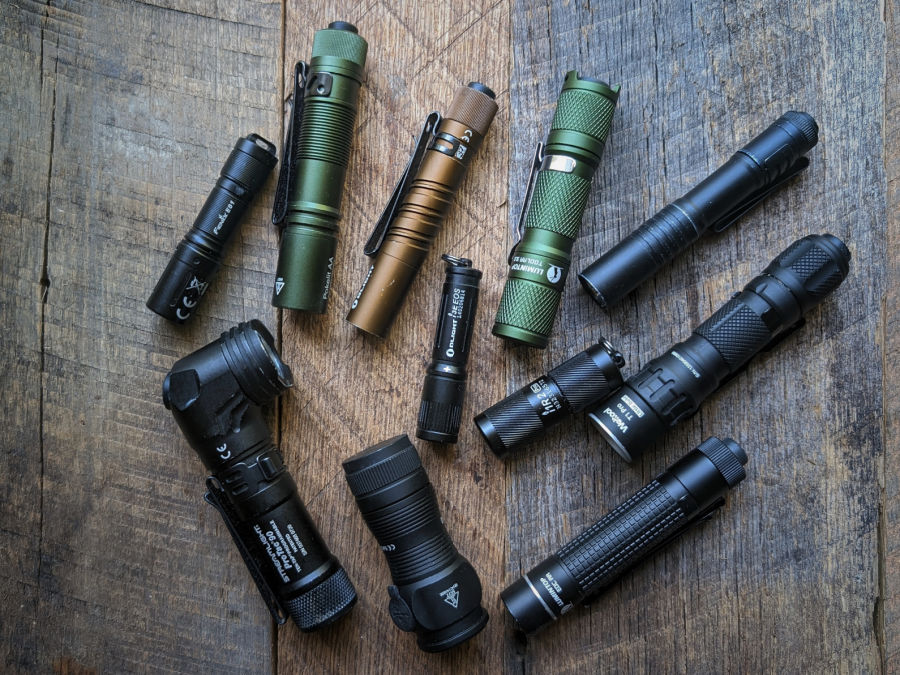
Best EDC Flashlights 2026: 20 Pocket Lights Actually Tested
Your phone’s flashlight sucks when it matters. After testing 20 EDC lights with my own money—from $10 keychain backups to 1700-lumen pocket torches—here’s what actually works.
The Streamlight Microstream ($20) is my daily carry. The Fenix PD35 v3.0 ($75) handles serious tasks. Everything else fills specific gaps: keychain, rechargeable, tactical, or budget.
I’ve personally tested every flashlight in this list—carried them, charged them, and beat them up. The picks here prioritize practical beams (not spec-sheet fireworks), sane interfaces, sustained output, credible IP/drop ratings, and batteries you can actually live with (AAA/AA/NiMH, 14500/18650 Li-ion).
Quick Picks at a Glance
- 🏆 Best Overall: Streamlight Microstream ($20)
- 💪 Most Powerful: Fenix PD35 v3.0 ($75)
- 💰 Best Budget: Sofirn SC13 ($29)
- 🔑 Best Keychain: Olight i1R 2 Pro ($22)
Quick Comparison: 10 Best EDC Flashlights 2026
| Flashlight | Price | Battery | Lumens | Weight | Best For | Rating |
|---|---|---|---|---|---|---|
| Streamlight Microstream | $20 | AAA | 45 | 1.04 oz | Daily EDC | ⭐⭐⭐⭐⭐ |
| Fenix PD35 v3.0 | $75 | 18650 | 1700 | 3.1 oz | Tactical/Power | ⭐⭐⭐⭐⭐ |
| Olight i1R 2 Pro | $22 | USB-C | 180 | 0.46 oz | Keychain | ⭐⭐⭐⭐⭐ |
| Sofirn SC13 | $29 | 18350 | 1300 | 1.4 oz | Budget Power | ⭐⭐⭐⭐⭐ |
| Nitecore MH11 | $50 | 18650 | 1000 | 2.82 oz | All-Around | ⭐⭐⭐⭐ |
| Olight Arkfeld Pro | $68 | Built-in | 1300 | 3.7 oz | Work/Trades | ⭐⭐⭐⭐ |
| ThruNite Saber | $20 | 14500/AA | 600+ | 1.5 oz | Dual Fuel | ⭐⭐⭐⭐ |
| Acebeam Pokelit AA | $23 | AA/14500 | 500 | 0.92 oz | High CRI | ⭐⭐⭐⭐ |
| Streamlight ProTac 90X | $70 | 18650 | 1000 | 4.2 oz | Right Angle | ⭐⭐⭐⭐ |
| Lumintop Tool AA 3.0 | $28 | AA/14500 | 900 | 0.84 oz | Versatile | ⭐⭐⭐⭐ |
OLIGHT I1R 2 Pro
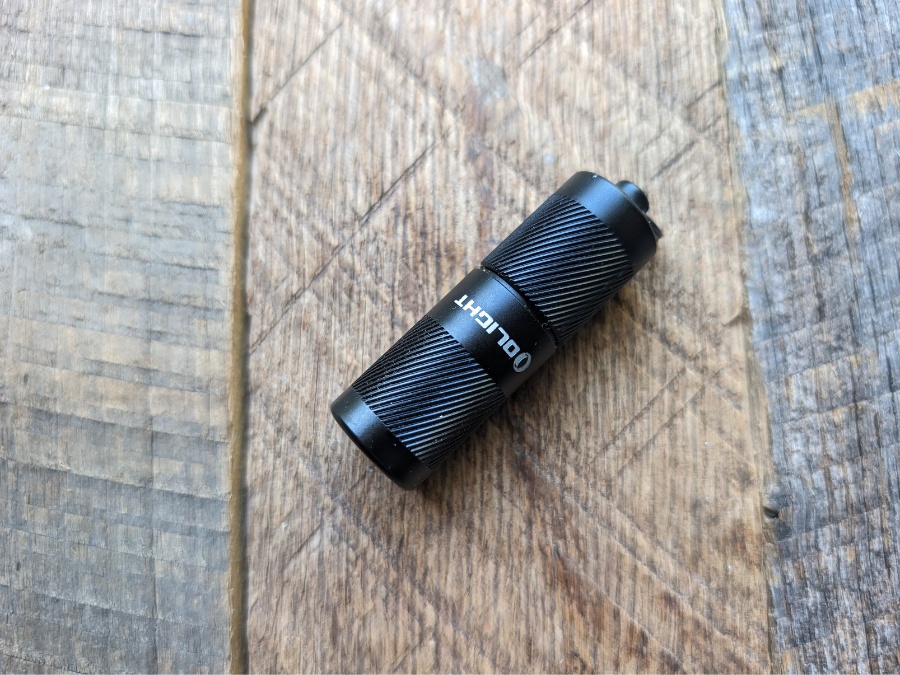
A true keychain workhorse with real-world durability
The I1R 2 Pro is the kind of light you forget about until you need it—and that’s the best compliment I can give. I carried it on my keys for two months straight, where it lived a rough life next to a pry bar, Swiss Army knife, and a pocketful of other junk. It held up better than expected and still looks good despite the abuse.
At just over two inches long and under an ounce, you don’t notice it until you twist it on. The two modes are simple but useful: 5 lumens for daily puttering around the house and dog walks, and a surprising 180 lumens when you actually need to light something up.
USB-C charging is a welcome upgrade over the old micro-USB version, and you can charge it without removing it from your keys—something I didn’t appreciate until I went back to other lights that require constant fiddling. The low mode’s 12-hour runtime means you rarely need to charge it anyway. IPX8 waterproofing and drop resistance round out the package, making this more than just a toy keychain light.
Why you should buy it: It’s $22 insurance that you’ll never be caught in the dark without a reliable, rechargeable flashlight.
Olight i3E EOS

Tiny twisty AAA keychain light that just works
A true set-and-forget backup: single-mode ≈90-lumen twist-on, powered by any AAA (alkaline or NiMH) with ~45 min runtime and a surprisingly tight 44 m throw from its TIR optic. At 2.38″ long and ~0.68 oz with battery, it disappears on your keys yet outshines your phone, and the IPX8/1.5 m ratings mean rain, drops, and pocket grime aren’t a problem.
The UI couldn’t be simpler (twist for on/off), the anodized aluminum body comes in tons of limited finishes, and replacements/“gifts to convert friends” are cheap—often ~$10, sometimes less during promos. Downsides: cool tint, no moonlight/clip/lockout, and it won’t tailstand—but that’s the trade for tiny and foolproof.
Why buy it: Brighter than your phone, takes any AAA, costs pocket change, and never needs explaining. Priced Around $10
Fenix E01 V2
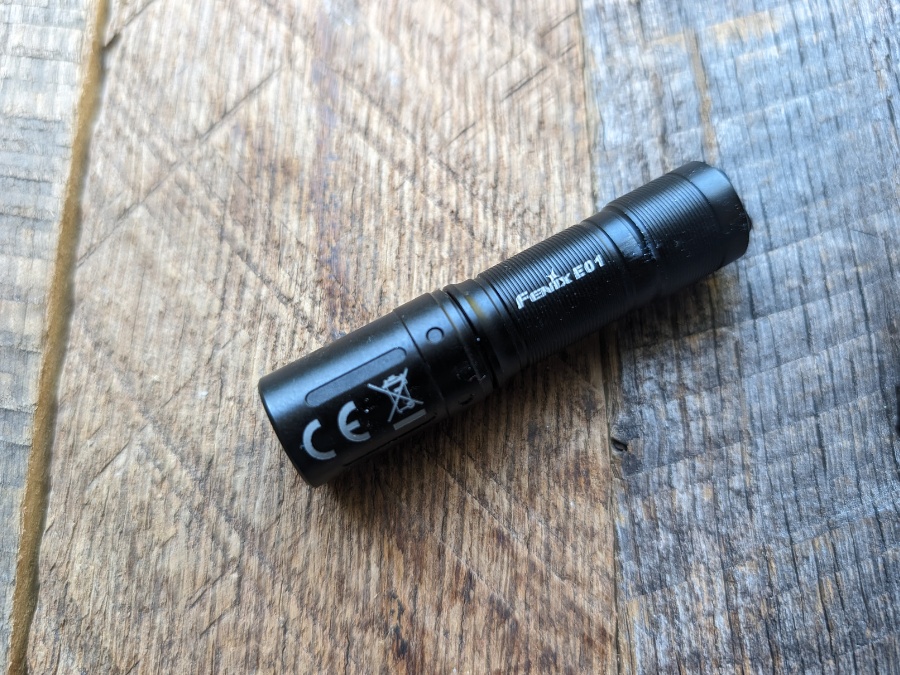
The tiny twisty I trust on a key ring.
I grabbed this for fifteen bucks and it has lived on my keys ever since. It is a true pocket pebble at a little over two inches long and about 13 grams, yet it throws a clean, broad beam thanks to a TIR optic and a simple Cree emitter. The UI could not be easier. Read The Full Review Here.
Twist for low at five lumens, twist again for medium at twenty five, twist again for one hundred. No mode memory means it always starts low, which is exactly what I want at night. It is IP68 waterproof, shrugs off drops, and runs best on a rechargeable AAA. The only miss is tail standing, which it does not do, and there is no clip. As a key ring light that just works, it nails the brief.
Why you should buy it: You want a cheap, bombproof AAA twisty that starts low and disappears on your keys. Priced Around $16
Streamlight Microstream
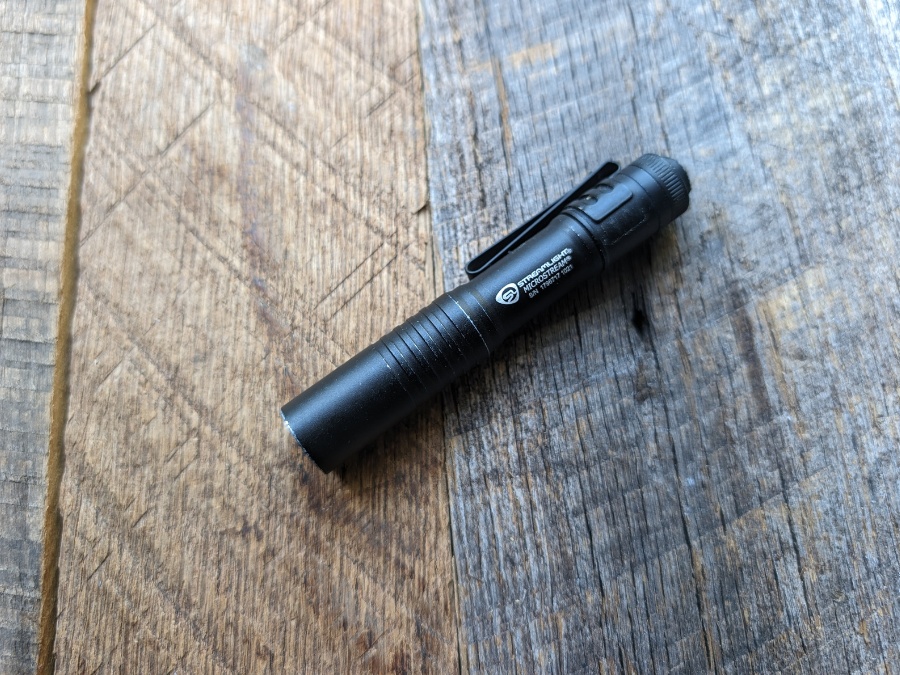
The AAA gateway light I give to everyone
I call this the greatest EDC flashlight because it actually gets used. I own a pile of them and hand them out as gifts. It weighs about as much as a pen, disappears in a pocket, and runs on a single AAA that you can find anywhere. Output is a modest 45 lumens for a little over two hours, which is perfect for real tasks within arm’s reach. The beam is wide and friendly for finding screws on the garage floor, checking under furniture, or walking a dark sidewalk. Read My Full Review Here.
The tail clicky is simple and the clip is the secret sauce. It grips a pocket without bending and flips onto a hat brim for a quick headlamp in camp or at work. I keep rechargeable AAAs around, but alkalines work fine in a pinch. It is not a search light and it is not meant to be. It is a dead reliable task light that lives with you and never complains.
Why you should buy it: You want a tough, pocketable AAA that you will actually carry, loan, and replace without thinking twice. Priced Around $20
Olight i3T 2
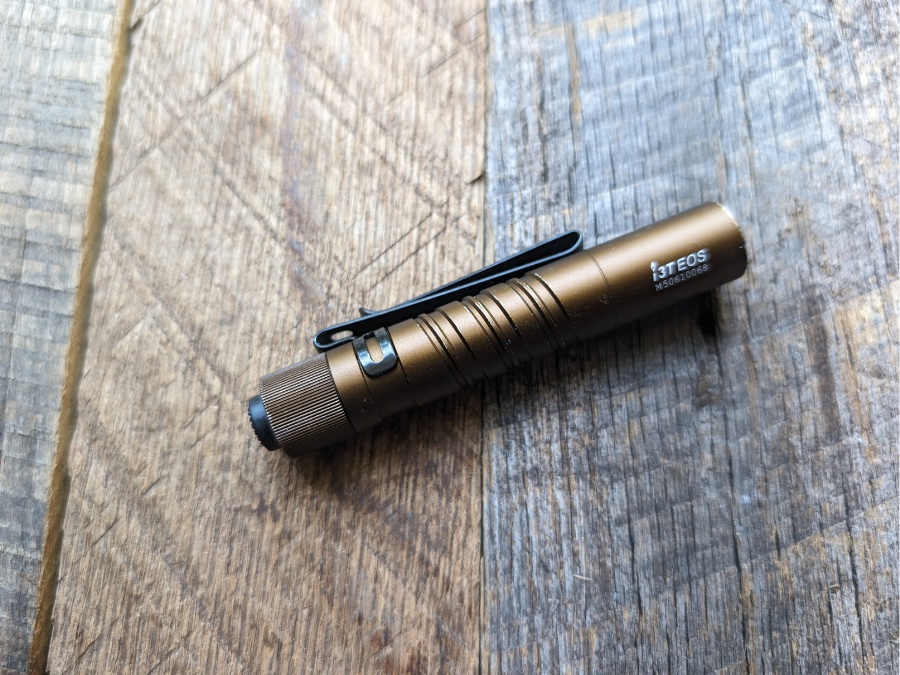
Iconic AAA clicker with a smarter clip and a smarter start
This is the classic pocket light a lot of us started with, cleaned up where it matters. Same tiny form factor and tail switch, now with a captured clip that installs under the tailcap. It rides deeper, doesn’t chew the anodizing, and still doubles on a hat brim. Read My Full Review Here.
Output stays simple: two modes at 5 lumens and 200 lumens with a quick click to swap. The useful trick is you can choose what it turns on to. Out of the box it comes on high first, but five quick presses and hold flips mode one to low. I like low first for midnight house moves and high for quick room fill; either way, it steps from 200 to 100 after several minutes to keep temps in check.
If you want a small AAA that just works, this is the one. The upgrades don’t get in the way; they make daily carry easier and keep the light looking fresh longer.
Why you should buy it: You want a proven AAA with a deeper carry clip and a user selectable start mode that fits how you actually use a light. Priced Around $15
Acebeam Pokelit AA
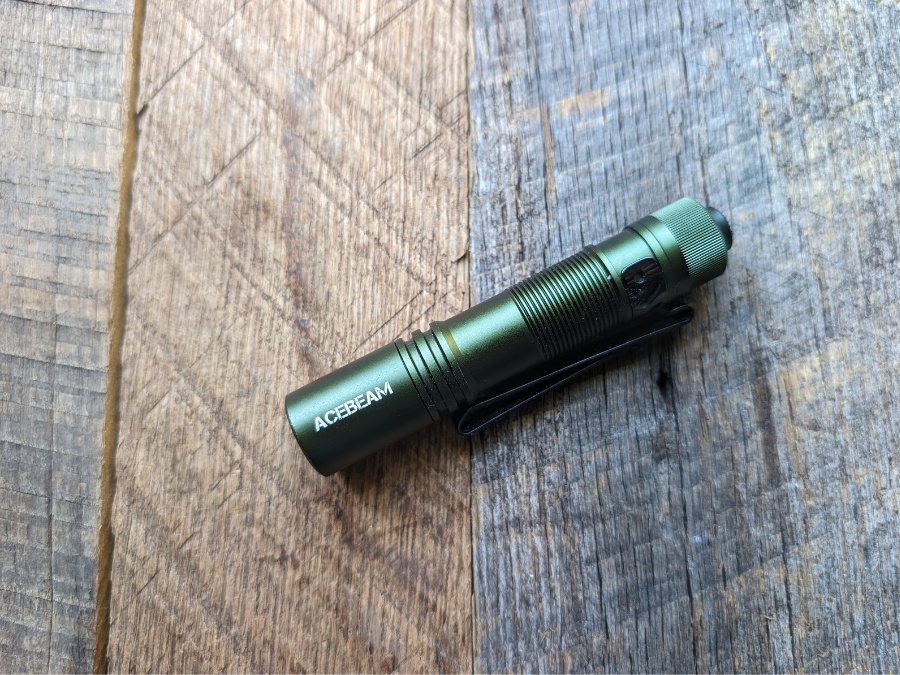
High-CRI pocket light that runs AA or 14500 without fuss
This is the budget AA that doesn’t make you suffer through ugly tint. The Pokelit uses a Nichia 219F around 5000K with 90+ CRI, so skin tones and maps look right instead of washed out. It ships in a tiny, jacket-friendly package with a stiff tail switch, a two-way clip that rides deep on a pocket or hat, and optional 14500 cell that charges by USB C. Read My Full Review Here
On the 14500 it jumps to roughly five hundred lumens before stepping down; on a regular AA you get a calmer top end with longer runtime.
Either way the beam is balanced with a defined hotspot and clean spill, perfect for daily chores and sidewalk walks.
UI is simple. Reverse clicky with three modes and memory. No turbo games, no Easter egg strobes. It will get warm on the highest setting with the 14500, but a quick drop to medium keeps it comfortable and useful. For the price, getting a true high-CRI beam, dual-fuel flexibility, and a ready-to-go battery option makes this one easy to recommend.
Why you should buy it: You want an inexpensive AA light with great color, a simple click-to-use interface, and the option to pop in a 14500 when you want more punch. Priced Around $23
LUMINTOP Tool AA 3.0
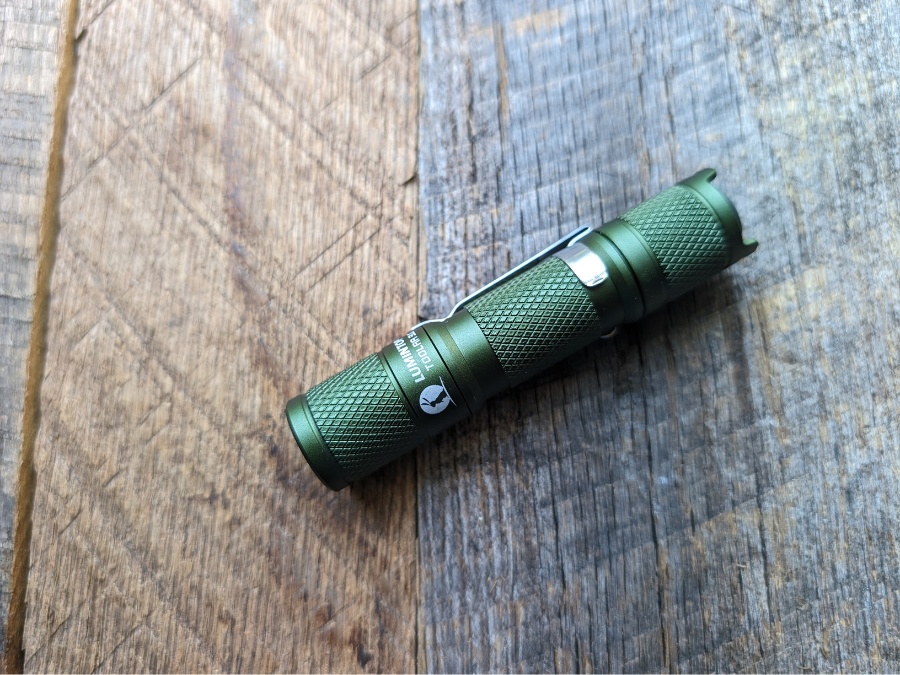
Dual fuel do it all light for under thirty bucks
This is the AA I hand to anyone and it just works. It runs on a regular AA or a 14500 cell, tailstands on a table, and uses a simple L M H UI with mode memory and half press cycling. The clip is solid, the body is clean, and the RGB in the tail cap makes it easy to find in a dark room without tritium drama.
On a 14500 it gets rowdy with a claimed 900 lumens, while the beam stays nicely balanced for real world chores. My only gripe is the cool tint and so-so color rendering, but for the price and feature set, it is hard to beat for everyday carry or a kitchen drawer backup.
Why you should buy it: You want a dependable AA light that tailstands, is easy to use, takes whatever battery you have, and costs less than dinner. Priced Around $28
Sofirn SC13
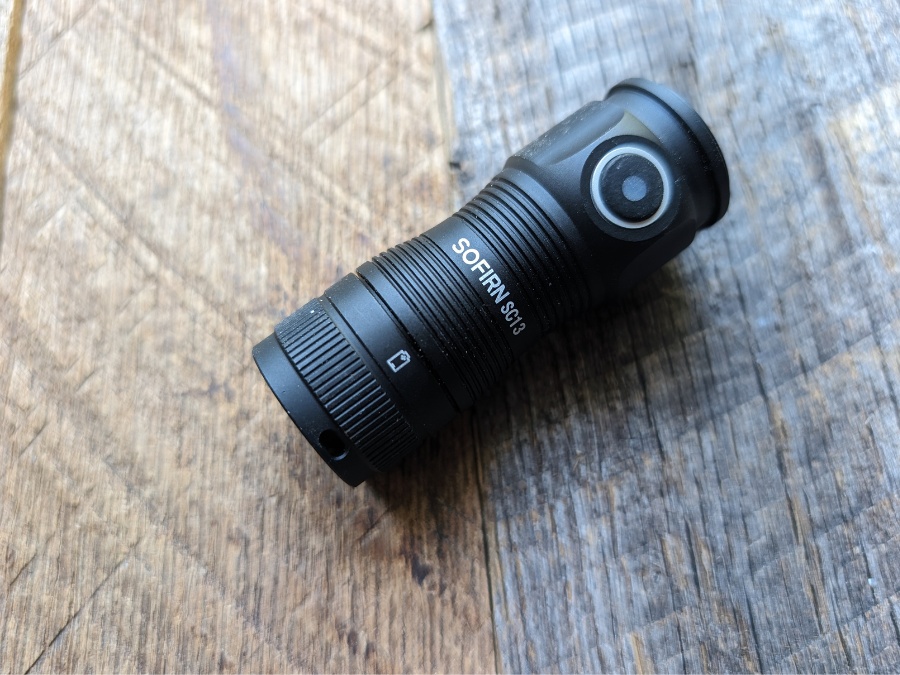
Tiny pocket light with real output and a useful magnet
I bought this one myself and it won me over fast. It is about AA length, runs an included 18350, and charges right on the light with USB C. For the size and price it punches hard: moonlight at one lumen lasts roughly 100 hours, then low and medium cover daily tasks without drama, and high sits at a steady 500 lumens for real work.
Turbo spikes to 1,300 lumens for short bursts, then sensibly steps back to keep heat in check. The magnetic tail is not a gimmick; it sticks to a car hood or toolbox and frees both hands, and the beam has a clean hot spot with enough spill to see your surroundings. The interface is the only rub at first.
Long press for moonlight, hold to cycle, double for turbo, triple for lockout. Give it a week and the muscle memory lands. The 18350 format is less common than AA, but it keeps the package tiny and still delivers legit output, which is the whole point here.
Why you should buy it: You want a small, thirty dollar EDC that sticks to metal, charges by USB C, and gets bright enough to matter. Priced Around $29
Nitecore MT1A Pro
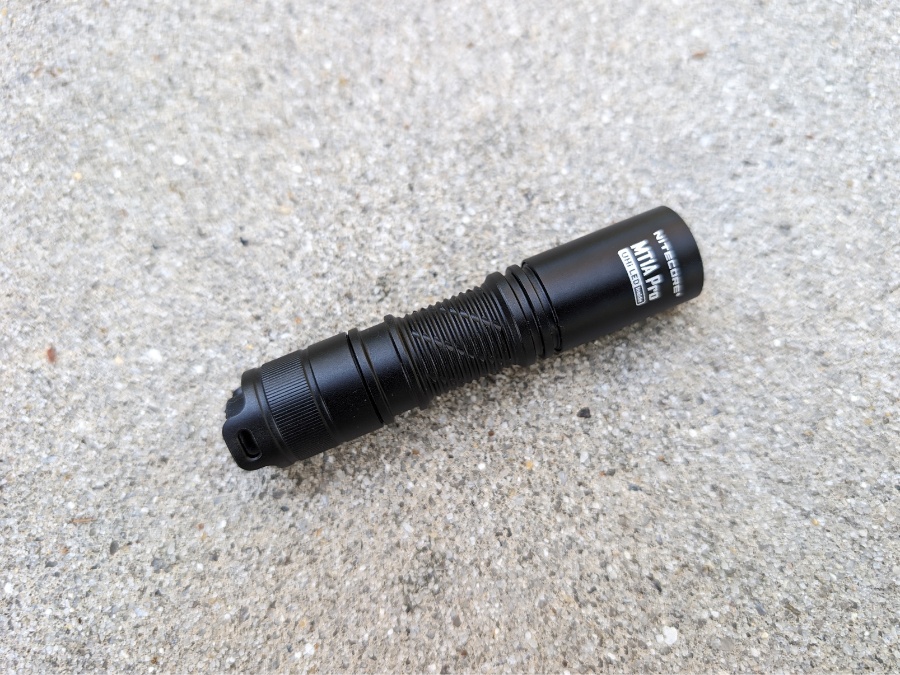
Dual-fuel pocket light with real reach and simple controls. Est Price $42
This is the lightweight AA light I actually trust. On the included 14500 cell it hits a legit 800 lumens with a tight, useful hotspot that carries. The beam is balanced enough for close work but still throws out to backyard distances, thanks to a deeper reflector.
Three modes on a tail switch with half-press cycling and mode memory keep it brain-dead simple. The 14500 battery charges by USB-C outside the light, and you can swap to a standard AA when you need a long-shelf-life backup. Tail stands, two-way clip for pocket or hat, aluminum body with a hard finish, waterproof to two meters. Cool white tint, no moonlight, and you lose the 800-lumen high on a AA, but as an emergency-ready EDC it makes a lot of sense.
Why you should buy it: You want a compact, no-nonsense EDC that does 800 lumens on a rechargeable and still runs on a plain AA when it matters. Priced Around $42
ThruNite Saber

AA-sized rocket that stays simple and bright
This is the budget light I keep grabbing. It runs on a common AA in a pinch, but the included 14500 cell turns it into a legit pocket torch with a tight, throwy beam. Two modes via a forward clicky tail switch: a practical low for around-the-house tasks and a scorching high that jumps well past 600 lumens with excellent sustained output for the size.
The TIR optic focuses light where you need it, the dual clip rides well in a pocket or on a hat, and the USB-C rechargeable battery means you don’t need a separate charger. Cool white tint and low/high only—no drama, no menu diving.
Why you should buy it: You want cheap, bright, and dead simple—with AA backup and real throw when you need it. Priced Around $20
Streamlight ProTac 1L-1AA
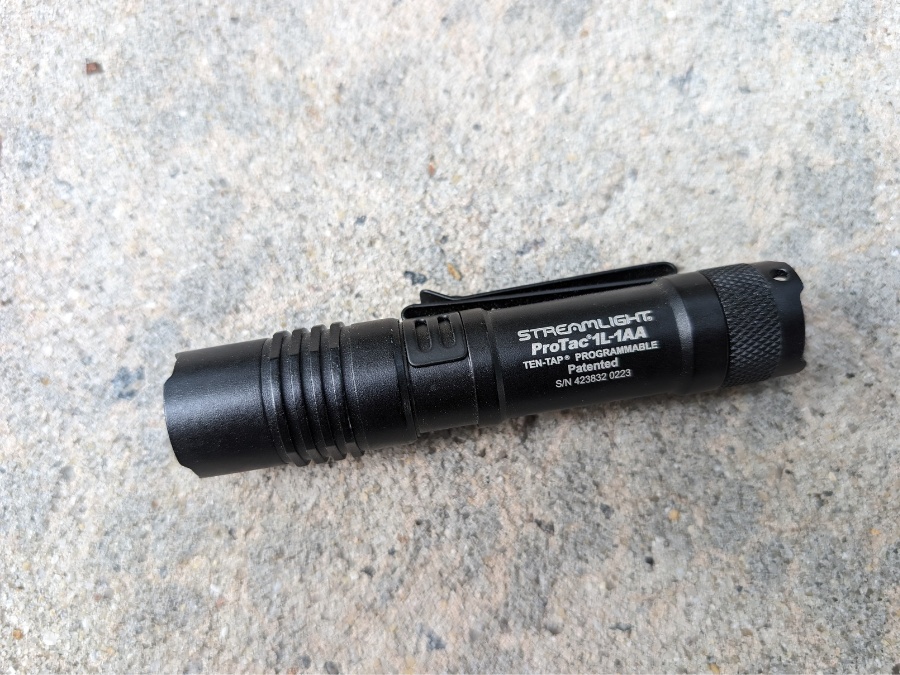
Dual-fuel, duty-ready power in a pocketable package
Streamlight nailed the “always-on-you” brief with this compact tail-switch light that runs on either a CR123A for full punch or a common AA when that’s all you can find. On a CR123A it delivers a tight, tactical hotspot at 350 lumens; swap to AA and you still get a very usable 150 lumens with the same clean beam.
The Ten-Tap programmable UI lets you pick the order (High/Strobe/Low, High only, or Low/High), and the two-way deep-carry clip doubles as a hat brim mount. Add IPX7 water resistance, an anti-roll head, and a recessed switch that’s hard to pocket-activate, and you’ve got a legit EDC/tactical crossover. Downsides: it won’t reliably tailstand, and there’s no onboard charging—bring spare cells.
Why you should buy it: You want a rugged, name-brand EDC that’s truly versatile—full output on CR123A, easy resupply on AA—plus a programmable strobe and a pocket clip that actually works in the real world. Priced Around $50
Streamlight ProTac 90X
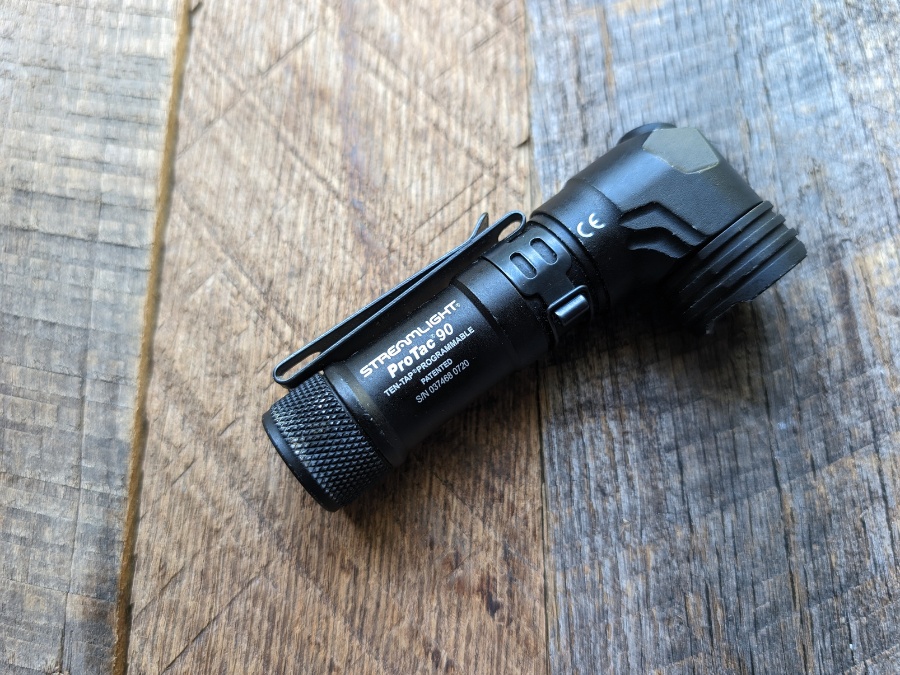
Right angle workhorse that shines on the job and on the trail
This one clicked fast for me. The 90 degree head lets you point light exactly where you need it without fighting your wrist, and the two way clip or included holster make easy hands free use on a vest, strap, or jacket. On high it throws a real 1000 lumens for about 1 hour 45 minutes with the SL-B26 rechargeable battery, which charges by USB right in the cell with a simple red to green indicator.
The TEN TAP programming is smart: keep the factory high, strobe, low, switch to high only, or run low, medium, high if you prefer a softer ramp. Size and weight are reasonable for daily wear, waterproof to one meter, and it eats two CR123As if you need a backup. I use it for warehouse checks, garage projects, and night walks, and it never feels fussy.
Why you should buy it: You want a tough, right angle EDC that clips on, points light where you work, and runs hard without drama. Priced Around $70
Weltool T1 Pro “Little Duke”
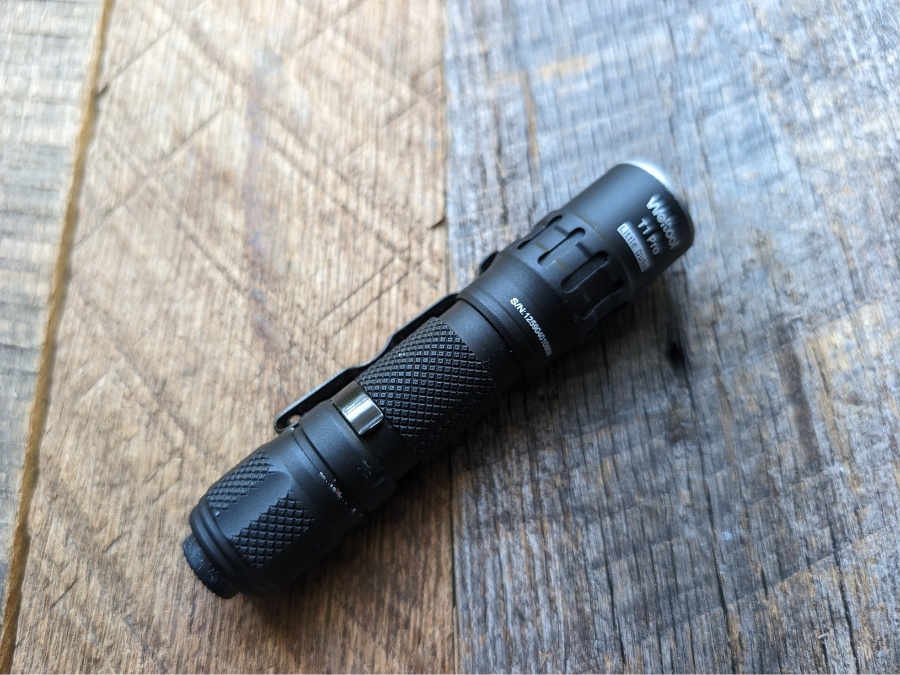
AA-sized thrower with real reach and a simple tail switch
This one surprised me. On a 14500 cell the T1 Pro pushes a legit 540 lumens with a tight hotspot that reaches way farther than a light this size should. It’s pocket small, tail-click simple, and the stainless bezel plus smooth deep reflector give it more “search light” than “desk drawer.”
I like that it still runs on standard AA in a pinch, but the 14500 is where it wakes up. Neutral white tint, reversible clip (hat brim friendly), IP67, and just enough knurling to stay put when your hands are cold. My only nit: dropping to the low mode isn’t as intuitive as I’d like when you’re doing close-up tasks.
Why you should buy it: You want a true pocket thrower that eats distance, lives on AA/14500, and doesn’t bury the basics under a complicated UI. Priced Around $55
Maglite XL50
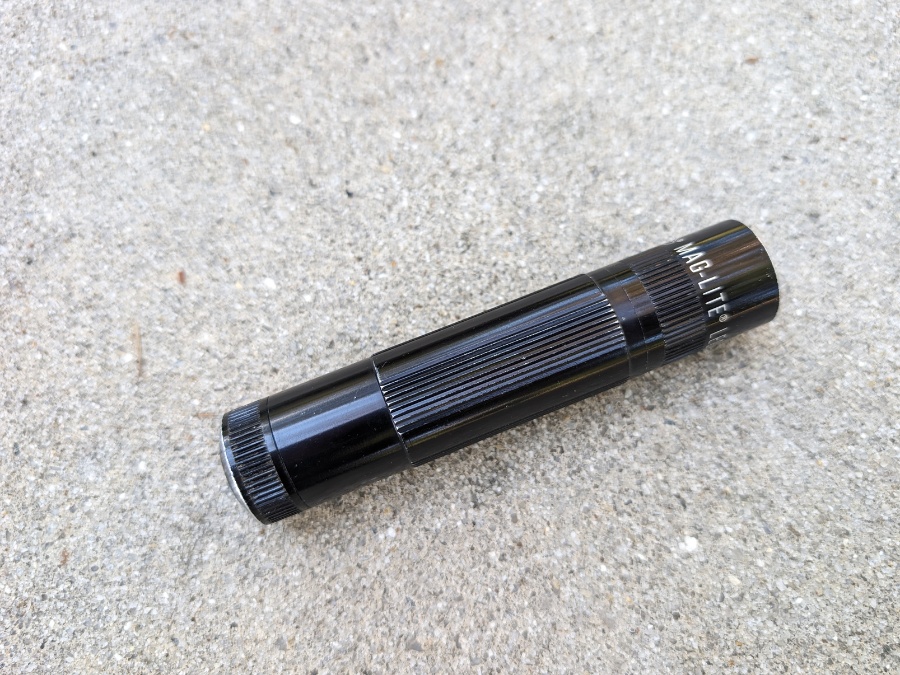
A classic USA made clicker that still earns pocket time
I keep buying fancy lights and still reach for the XL50. It is simple, tough, and runs on three AAA batteries that you can find anywhere. One click gives you a bright beam with real throw, two clicks drops to a long running low, three clicks gives you strobe.
The aluminum body feels solid, the push button is positive, and the slight head adjustment lets you go from spot to a wider beam. Mine have lived in glove boxes and tool bags for years without a hiccup, and Maglite backs it with a limited lifetime warranty.
Why you should buy it: Because you want a dependable, made in USA flashlight that just works and keeps working without hunting for special batteries. Priced Around $41
Olight Arkfeld (Pro / Ultra)
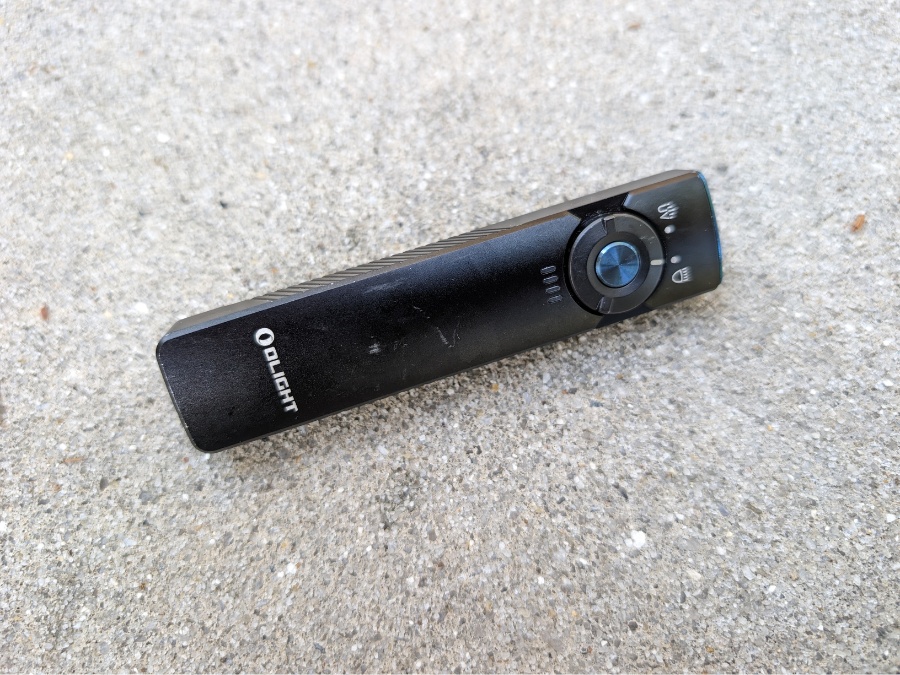
Flat, pocketable EDC with white light + green laser + UV “blacklight” (aka hotel-room truth serum)
A legit do-everything wand: slide the selector to flashlight, laser, or UV, then use the top button to ramp low/med/high or punch turbo (Pro: 1,300 lm; Ultra: 1,400 lm). The beam is plenty for daily tasks, strobe is a double-tap away, and you can even run the laser and white light together for pointing while illuminating. Read My Full Review Here
The UV emitter is the star/curse—perfect for verifying currency, finding scorpions, leaks, pet accidents… and yes, bodily fluids in questionable Airbnbs. A two-way deep-carry clip rides well on a pocket or cap, the tail is magnetic for hands-free work, and Olight’s magnetic puck makes top-off charging brainless (no port to clog).
The Pro models are anodized aluminum with tons of colorways (even copper, if you like heft); the Ultra adds a tougher “OAL” alloy, a refined clip, and a touch more output without getting bulkier. Real-world battery life is excellent for EDC brightness levels, and the flat form factor disappears next to your phone where tube lights don’t.
Why buy it: It’s three tools in one—bright light, pointer, and blacklight—for when you need to see, point, or (regretfully) really see. Priced Around $68
Sofirn SC31 Pro
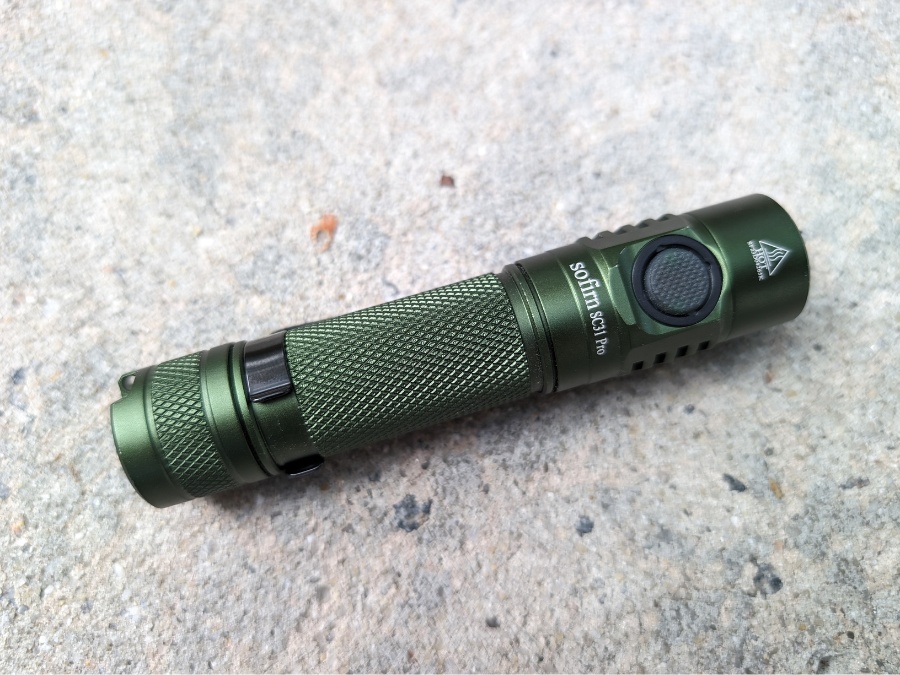
A compact powerhouse with customizable output
The Sofirn SC31 Pro has quietly become a favorite in the budget EDC world. For around thirty bucks you get a flashlight that pushes over 2000 lumens, runs on a standard 18650, and uses the highly regarded Andúril firmware.
That means ramping brightness, shortcuts to turbo and strobe, battery voltage checks, and more—features usually reserved for lights twice the price. Despite the power, it’s compact and pocketable, with USB-C charging built in and a side switch that’s easy to find in the dark. Beam quality is clean with good throw for its size, and the anodizing and clip make it feel tougher than you’d expect in this price bracket.
Why you should buy it: If you want maximum output and advanced features without spending premium money, the SC31 Pro is one of the best-value EDC flashlights on the market. Priced Around $45
Wuben L50
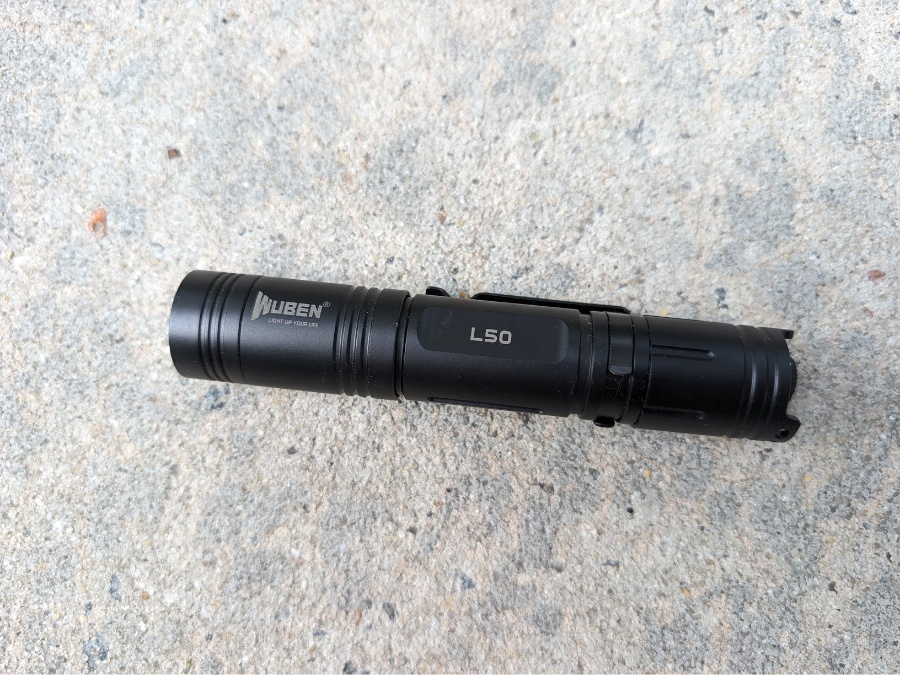
A budget-friendly 1200 lumen light with serious throw
The Wuben L50 is proof you don’t need to spend a fortune to get a capable everyday flashlight. Running on a single 18650 cell, it puts out a beam that reaches farther than you’d expect thanks to its deep reflector and efficient P9 LED.
The design is simple and sturdy, with a tail switch, strong pocket clip, and onboard charging. Build quality is better than most lights in its price range, and the included battery and warranty give it extra value. It’s not fancy, but it is reliable and bright enough for real work.
Why you should buy it: For under $40, the L50 delivers brightness, durability, and long-range performance in a straightforward EDC package. Priced Around $35
Nitecore MH11
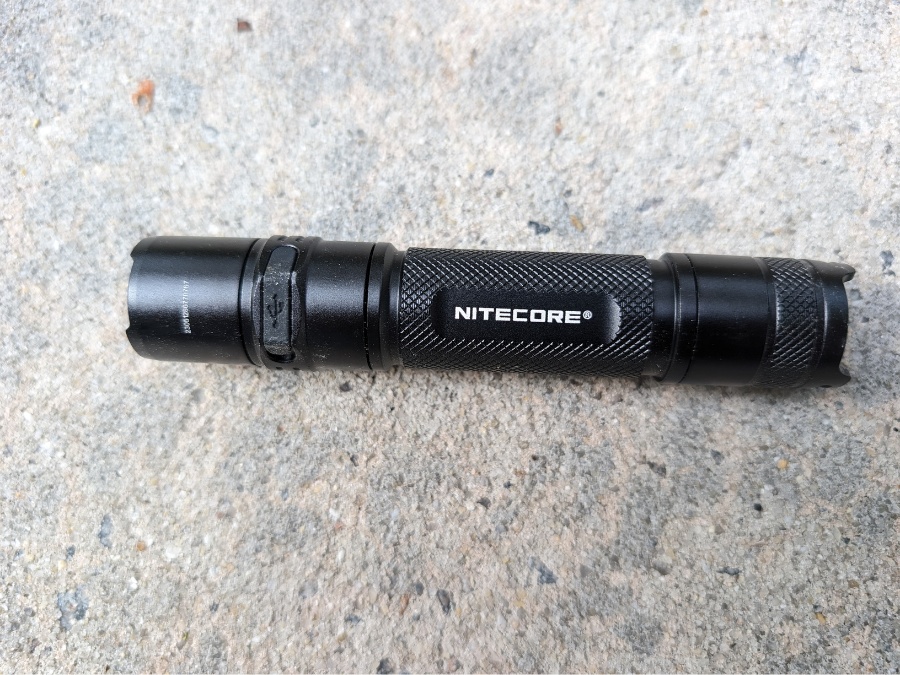
A no-nonsense EDC with real runtime and USB-C convenience
The MH11 is classic Nitecore: compact, tough, and easy to live with. It ships ready to roll with an 18650 cell, charges via USB-C under a sealed port, and uses a simple tail-switch UI with four well-spaced modes (3 / 50 / 230 / 1000 lumens).
The beam is clean and pleasantly neutral-white with a defined hotspot and usable spill—great for driveway checks, garage tasks, and trail walks. Build quality is what you’d expect: anodized aluminum, o-ringed threads, springs at both ends to prevent flicker, IPX8-style water resistance to 2 m, and 1 m drop protection. Nitecore’s thermal regulation (ATR) steps output gracefully instead of hard-shutting off; in testing, turbo settled around ~125 °F at the head and kept running without drama.
A few notes: there’s no side switch or instant-turbo shortcut, and the UI always starts on low—excellent for dark-adapted use, less “tactical.” Otherwise, it’s a confident daily light with honest performance and minimal fuss.
Why you should buy it: You want a compact 18650 flashlight that’s durable, USB-C rechargeable, and delivers practical brightness with sane thermal behavior—without paying premium-brand prices. Priced Around $50
Fenix PD35 v3.0
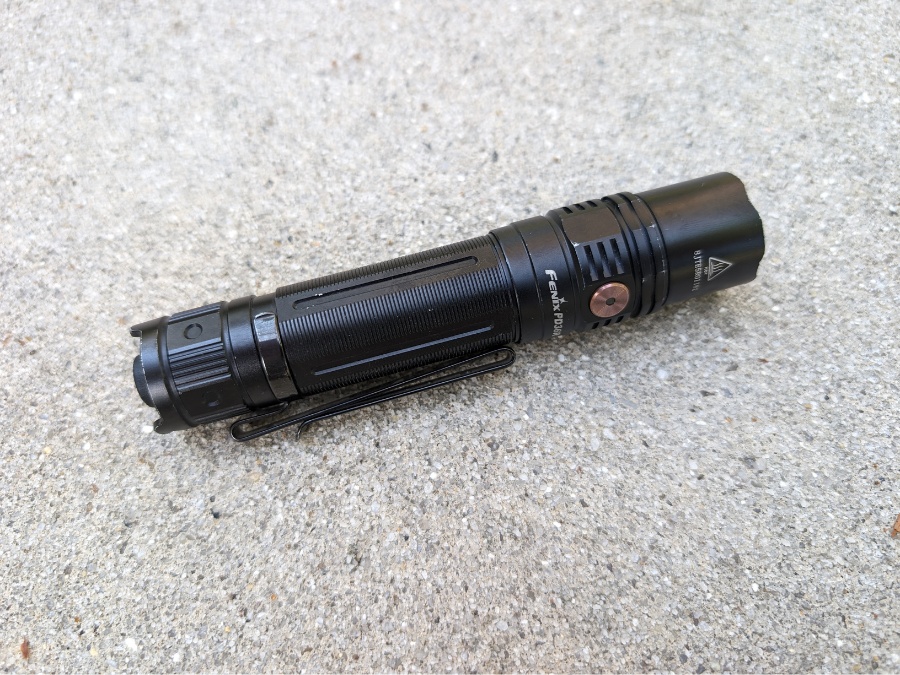
Compact tactical power with real throw
The PD35 has been around long enough to earn its reputation, and the v3.0 keeps it alive with a real bump in performance. It’s a palm-sized 18650 light pushing 1700 lumens and throwing nearly 400 yards—which is absurd for something just over five inches long. The interface is dialed in with a tactical tail switch for instant on and a side button to cycle through five modes (5, 50, 150, 600, and 1700 lumens) plus strobe. Mode memory saves your last setting, which means no surprises when you click it on.
Build-wise, it’s classic Fenix: T6 aluminum body, IP68 waterproofing, and drop resistance to 1.5 meters. The grip pattern is subtle, not aggressive, but it’s enough to stay locked in hand. The included 2600mAh 18650 battery is micro-USB rechargeable, so you can top it off without a dedicated charger. Between the clip, lanyard, and holster, carry options are covered.
It’s not the smallest EDC flashlight you’ll own, but it balances tactical punch with everyday carry practicality. For people who want something more serious than a keychain light but less bulky than a duty torch, this one nails it.
Why you should buy it: Because it’s a proven, compact powerhouse that can light up your backyard—or a football field—without weighing you down. Priced Around $75
Frequently Asked Questions
How many lumens do I need for EDC?
For true everyday carry, 100-300 lumens covers 90% of tasks. My Streamlight Microstream at 45 lumens handles most indoor work fine. You want 300-500 lumens for outdoor tasks and walking dogs. Anything over 1000 lumens is specialty use—impressive but drains batteries fast and gets hot. The sweet spot for EDC is 200-500 lumens with multiple modes so you can dial it down when you don’t need the power.
What’s the best flashlight under $50?
The Sofirn SC13 at $29. You get 1300 lumens, USB-C charging, magnetic tail, and a legit 18350 battery. For AAA simplicity, the Streamlight Microstream at $20 is unbeatable. If you want maximum features, stretch to the Nitecore MH11 at $50—it’s basically a $100 light priced right.
Are Olight flashlights worth it?
Yes, but know what you’re buying. Olight makes reliable, innovative lights with magnetic charging and good warranties. The i1R 2 Pro and Arkfeld series are excellent. Their downsides: proprietary batteries on some models, cool white tint, and prices run 20-30% higher than comparable Sofirn or ThruNite options. Buy Olight for the ecosystem and innovation, not value.
What flashlight do Navy SEALs use?
Currently, units use SureFire Scout lights on weapons and various SureFire handhelds like the G2X or 6PX Tactical. That said, many operators buy their own—I’ve seen Streamlight ProTac series and Modlite handhelds in use. For civilians, the Streamlight ProTac 1L-1AA gives you tactical features without tactical prices.
Should I get rechargeable or regular batteries?
Rechargeable if you use your light weekly. The Nitecore MH11 or Sofirn SC13 with built-in charging are perfect—just plug in USB-C every few weeks. For emergency lights that sit in glove boxes, stick with CR123A or AA lithium primaries—they hold charge for 10+ years. AAA lights like the Microstream work great with rechargeable Eneloops for daily use.
What’s the difference between 18650, CR123A, and AA batteries?
18650: Rechargeable lithium-ion, most power and runtime, requires specific charger or built-in charging CR123A: Lithium primary (non-rechargeable), 10-year shelf life, expensive but powerful AA/AAA: Available everywhere, less power but convenient, use NiMH rechargeables or lithium primaries 14500: Rechargeable AA-sized lithium that doubles the power in dual-fuel lights
For EDC, 18650 gives best performance, AA/AAA offers convenience, CR123A is for emergency backup.
Why are some flashlights so expensive?
You’re paying for: better LED bins (tint and efficiency), driver efficiency (constant output vs declining), build quality (potted electronics, better threads), customer support, and sometimes USA manufacturing. A $200 Malkoff will outlast five $40 lights, but that $40 Sofirn covers 90% of the performance. Buy expensive for hard use or because you appreciate the quality, not for lumen counts.
What does IPX8 waterproof rating mean?
IPX8 means submersible beyond 1 meter—usually 2 meters for 30 minutes. IPX7 is 1 meter for 30 minutes. IPX4 handles rain and splashing. For EDC, IPX7 is plenty unless you’re diving. Every light in my list is at least IPX4, most are IPX8. More important than the rating: quality o-rings and sealed ports.
Can I fly with a flashlight?
Yes, flashlights are allowed in carry-on and checked bags. The catch: lithium batteries. Spare 18650s must be in carry-on with terminals protected (battery case or tape). Lights with batteries installed are fine either way. TSA might question tactical lights with strike bezels—keep those in checked bags to avoid hassle.
What’s CRI and why should I care?
CRI (Color Rendering Index) measures how accurately a light shows colors compared to sunlight (CRI 100). Most LEDs are 70 CRI and make everything look washed out. High CRI (90+) shows true colors—important for trades, medical, or if you just hate that blue-white LED look. The Acebeam Pokelit AA has 90+ CRI for $23 if you want to try it.
How do I maintain my EDC flashlight?
Every few months: Clean threads with isopropyl alcohol, apply fresh o-ring grease (silicone or Nyogel), check o-rings for damage, clean contacts with pencil eraser. For daily carries, wipe lens with microfiber when dirty. Don’t overtighten anything—snug is enough. Store with batteries slightly loose if sitting for months to prevent parasitic drain.

Blair Witkowski is an avid watch nut, loves pocket knives and flashlights, and when he is not trying to be a good dad to his nine kids, you will find him running or posting pics on Instagram. Besides writing articles for Tech Writer EDC he is also the founder of Lowcountry Style & Living. In addition to writing, he is focused on improving his client’s websites for his other passion, Search Engine Optimization. His wife Jennifer and he live in coastal South Carolina.