
Why Many Watch Reviews Don’t Go Deep Enough
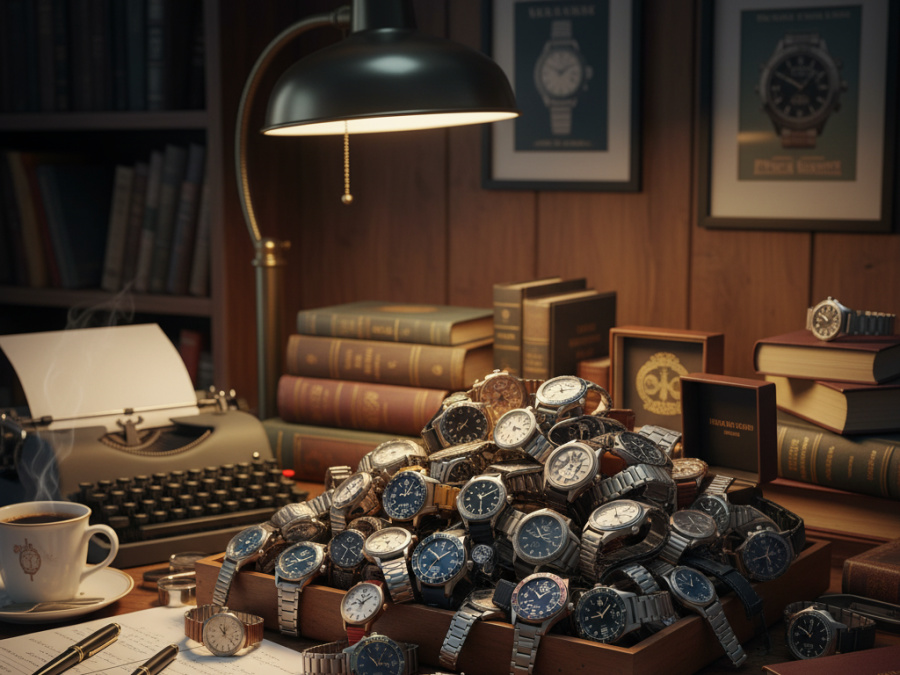
I have owned a lot of watches over the years. I buy them, I wear them, I flip them, and I use that process to get my hands on more pieces to review. In that time, I have been able to handle watches at every price point, from budget beaters to luxury names, across more brands than I can count. That experience has taught me something that most watch reviews will not admit: not every watch is great.
But if you spend time reading the big watch sites, you could be forgiven for thinking otherwise. Every watch is positioned as a “solid value.” Every brand is “pushing boundaries.” Every design is “a joy to wear.” Flaws are framed as quirks. Mediocrity is explained away with soft language. Rarely does a review say what many collectors know: some watches simply miss the mark.
This is not an accident. It is baked into how the watch review world operates. And if you do not understand those dynamics, you can end up spending thousands of dollars based on hype, only to be disappointed in real life.
The Business of Always Saying Yes
The first thing to understand is that most watch sites rely on relationships with brands. Review units are almost always supplied directly by the manufacturer or a brand’s PR firm. That creates pressure. If a reviewer sends a watch back with a glowing write-up, they are more likely to get the next release. If they torch it in print, that invitation may never come again.
The second factor is money. Many review outlets depend heavily on affiliate sales and ad revenue. If you click through a review and buy the watch, the site earns a commission. If you read a scathing critique and decide to pass, that commission vanishes. You can see how the math works: being too honest is bad for business.
Finally, there is culture. For decades, watch writing has leaned toward cheerleading. Glossy magazines wrote about heritage, design inspiration, and luxury lifestyle. Even as the internet opened up the conversation, that DNA carried forward.
It is easier to gush about a dial texture than to point out that the lume fades in under an hour. Easier to celebrate a “vintage-inspired” size than to admit it wears like a hockey puck. The tone has been set: be nice, tell a story, keep the brands happy.
The Language of Soft Criticism
Once you start paying attention, you notice the clichés. Reviewers rarely call flaws what they are. Instead, they reach for phrases that soften the blow.
“Great for the price” often means corners were cut. “Vintage charm” often means poor lume or small water resistance. “Wears smaller than the dimensions suggest” often means the case is too tall but they don’t want to say it. “Minor nitpick” often means a design choice that actually ruins comfort.
This coded language keeps reviews polite, but it does nothing for the buyer who is about to spend thousands of dollars on a watch that will disappoint them in daily wear.
What Gets Glossed Over
The areas that get ignored or downplayed are consistent.
Comfort is one of the biggest. How many reviews really tell you if a case digs into your wrist after a full day at the office? Or if a crown constantly catches your cuff? Instead, you get a passing line about “reasonable wearability.”
Quality control is another. Misaligned indices, bezel play, sloppy brushing — all things that serious collectors care about. Yet reviews tend to excuse them as quirks or “within expectations.” They are not. They are defects.
Durability over time almost never gets covered. Most reviews are written after a week of wrist time. How does the clasp hold up after six months? Does the bracelet stretch? Does the lume degrade? Does the movement drift out of spec? Readers rarely find out, because the review window is too short.
The Cost of Shallow Reviews
This matters because watches are not impulse buys for most people. They are expensive, aspirational purchases. A reader may save for months, pore over reviews, and finally click buy. If every review they read painted the watch as perfect, only to have it scratch, rattle, or drift in daily life, the disappointment cuts deep.
I have been there myself. I once bought a high-end diver that every review praised as the perfect daily wearer. Six months later, the bezel was loose, the bracelet stretched, and the crown felt gritty.
Another time I bought a dress watch that reviewers described as immaculately finished. In reality, the polishing was uneven and it picked up scratches the first week.
These were not cheap mistakes. They were the result of trusting reviews that told me half the story.
What a Real Review Should Look Like
A deep, honest review does not need to be cruel. It just needs to be complete. That means moving beyond glamour shots and brand history and into actual testing.
Accuracy tracked over days, not hours. Lume tested in real darkness overnight. Comfort judged after full workdays, not quick wrist shots. Clasps and bracelets cycled open and closed dozens of times. Macro checks for finishing flaws. Reports of any QC issues noticed on the review sample.
Even if a reviewer cannot keep a watch for months, they can be transparent about what they tested, how they tested it, and what they could not evaluate. That honesty helps readers make better decisions.
How to Read Between the Lines
Until more reviewers raise their standards, readers need to sharpen their filters. Watch for those soft phrases like “quirky charm” and “great at this price point.” Pay attention to what is left unsaid. If a review never mentions lume, assume it is weak. If it never mentions comfort, assume it is average at best.
Look closely at macro photos. A good photo often reveals finishing problems the text ignores. And most importantly, seek out long-term owner reports in forums and independent blogs. That is where you learn about clasps that fail, crowns that strip, or movements that drift after a year.
The Collector’s Advantage
Because I buy, wear, and flip so many watches, I get to see patterns most reviewers miss. I know which brands consistently struggle with QC. I know which models live up to their marketing and which ones are letdowns after three months on the wrist. That perspective is what I try to bring to my own reviews.
I am not interested in parroting press releases. I want to give readers the truth as I see it from actual ownership. Because I know what it feels like to unbox a watch you worked hard to afford, only to discover the flaws no one warned you about.
Demand More From Reviews
Watches are expensive. A review that hides flaws does not serve the buyer. It serves the brand. The industry does not need more glossy praise. It needs more grounded critique.
That does not mean every review needs to be negative. A watch can still be worth owning even if it has weaknesses. But those weaknesses should be stated clearly.
I have handled hundreds of watches across brands, styles, and price ranges. I know when a piece is genuinely well executed, and I know when reviewers are papering over problems. I have lived the highs of finding a watch that punches above its weight and the lows of buying into hype that falls flat.
That is the perspective missing from so many reviews. And that is the standard I will keep pushing for: reviews that are transparent, rigorous, and honest. Because the truth is simple. Not every watch is great. And buyers deserve to hear that before they spend their hard earned money.

Alan Dale is an experienced backpacker and adventure sports athlete who pays the bills by writing. Married with a small brood, Alan often has his kids in tow on many of his adventures. You can visit Alan here: https://siralandale.com/