
How To Choose A Survival Axe: Picking the Right Axe and Actually Use It
One of the questions I hear all the time is: “What survival axe should I buy?”
Here’s the truth: I can’t tell you the exact axe that’s right for you. Anyone who tries to sell you the “one axe to rule them all” is flat-out wrong. Choosing an axe is a lot like choosing a pair of boots. The pair that fits me perfectly might leave you blistered and hobbling after a single hike. The same goes for axes the right one depends on how you’ll actually use it.
What I can give you is a clear framework for picking the right survival or bushcraft axe, backed by experience and real-world use. No marketing hype, no sponsored picks, no gimmicks. Just honest advice to help you choose a tool you’ll actually use not one that rides on your pack and looks good in Instagram photos.
Why a Survival Axe Matters
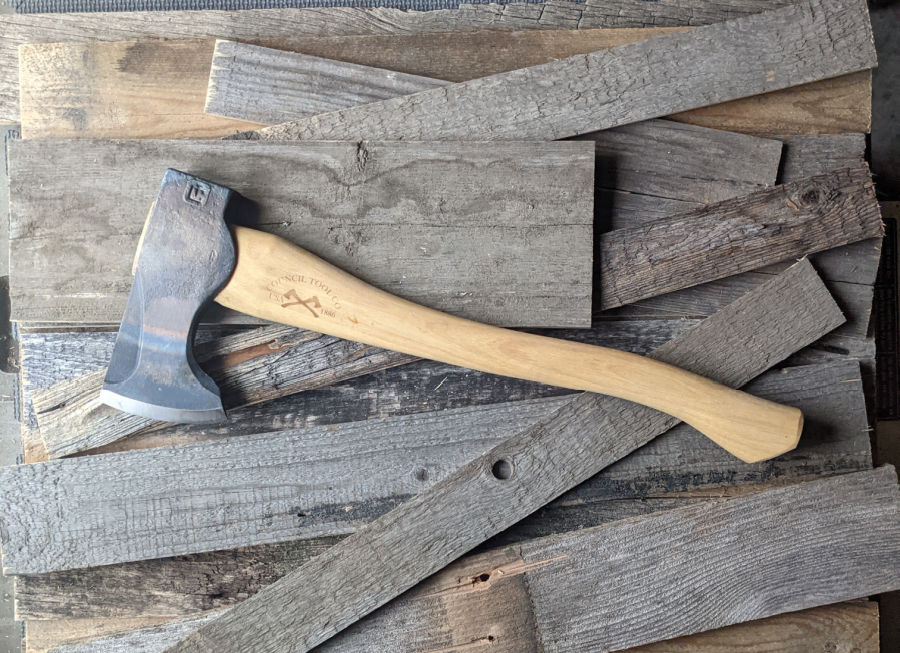
In bushcraft and survival, an axe isn’t just another tool — it’s a force multiplier. It does jobs that knives and folding saws can’t. With the right axe you can:
- Chop down small trees and clear trails
- Split logs for firewood
- Shape and carve camp tools or stakes
- Drive in tent pegs
- Build shelters
- Process game in a pinch
Sure, you can process wood with a good fixed blade and a baton, but it’s not efficient when you’re dealing with serious firewood or building projects. Knives and saws are great complements, but an axe earns its place because it gives you raw power and versatility that smaller tools can’t.
The flip side is that a poorly chosen axe becomes dead weight. Too big, and you’ll dread carrying it. Too small, and you’ll curse it every time you need real chopping power. The goal is finding the balance the axe that fits your survival or bushcraft needs without slowing you down.
The Three Categories of Axe Use
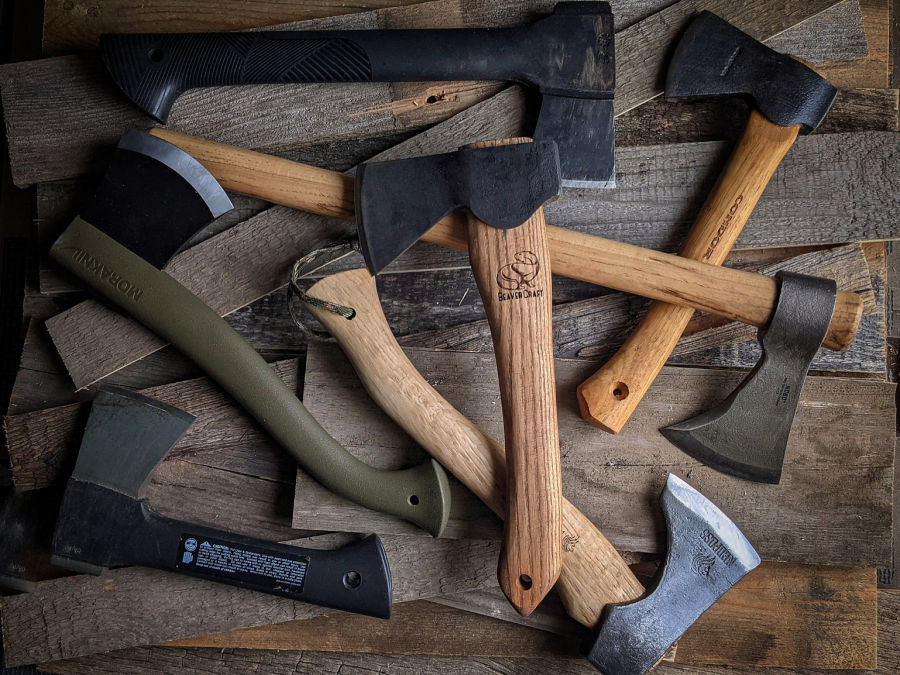
When people ask me what axe to buy, I always start with this: be honest about your purpose. Why are you buying an axe? Your answer probably falls into one of three categories.
Specialty Axes
These are tools built for one job. A splitting maul exists to bust logs into firewood. A double-bit axe might be designed for heavy-duty trail work. If you’re hauling an axe in the back of your ATV just to clear brush, you’re in this category.
Most beginners don’t fall here, specialty axes are overkill unless you’ve got a very specific task in mind.
Fire Creation
This is where many bushcrafters end up. If your main concern is staying warm and cooking in cold environments, you want an axe that excels at processing firewood. Think chopping dead standing trees, bucking logs, and splitting fuel in the middle of a Michigan winter.
The right firewood axe bites deep and moves material efficiently. These axes tend to be longer, heavier, and designed for repetitive chopping and splitting.
Utility
This is the category most people should start with, and the one I personally lean on. A utility axe is your all-around survival companion. It doesn’t dominate in one task, but it handles everything decently well: chopping, splitting, carving, shaping, and camp chores.
The key is honesty. Don’t buy a giant splitting axe if your real use is carving fuzz sticks and driving in tent stakes. And don’t grab a tiny hatchet if you know you’ll be building shelters. Once you put yourself in the right category, you’ve already solved most of the problem.
How to Choose a Survival Axe: Weight, Bit Shape, Handle Length
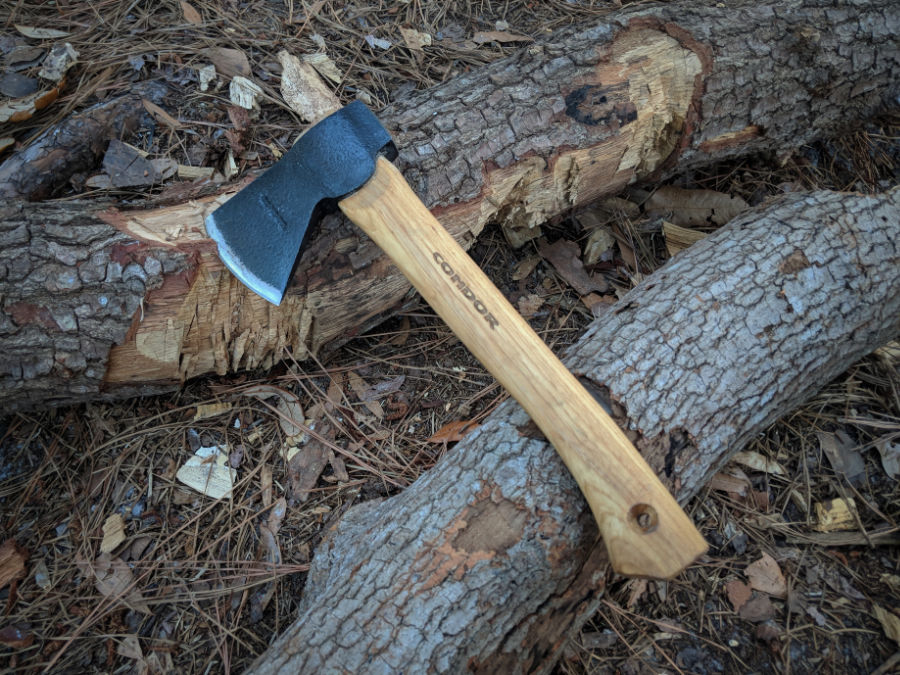
Once you know your category, the next step is picking the right specs. Every axe decision comes down to three variables: weight, bit shape, and handle length. Get these wrong and you’ll hate your axe. Get them right, and it feels like an extension of your arm.
Weight
Axe heads range from a half-pound hatchet up to massive 6–7 pound beasts. Heavier heads bite deeper and split wood faster, but they’re also more tiring to swing and overkill for small camp chores.
- Heavy (4–7 lbs): Best for chopping big timber or serious firewood use.
- Medium (2–3 lbs): Balanced and versatile. Ideal for bushcraft and survival.
- Light (0.5–2 lbs): Compact and portable. Good for carving, light splitting, or as a pack hatchet.
In the real world, bigger isn’t always better. I’ve seen plenty of guys at camp flailing away with oversized axes in sandals, barely making a dent in their wood, and nearly splitting their shins instead. Sometimes, a well-balanced two-pound head beats raw weight because you can actually control it.
Bit Shape
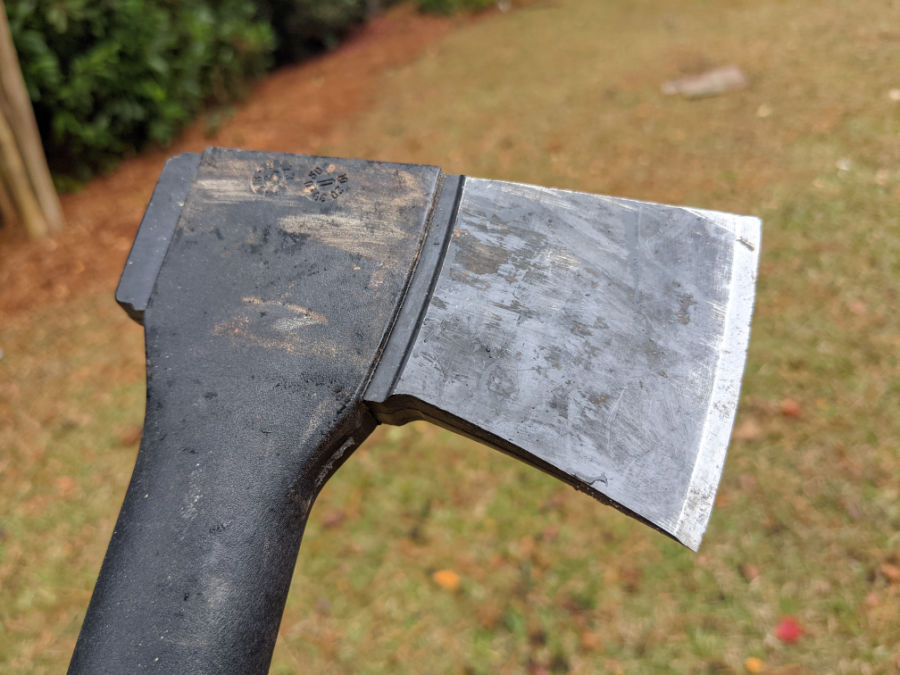
The bit is the cutting edge of the axe, and its geometry changes everything.
- Thick, wedge-shaped bit: Splits wood cleanly by forcing it apart. Great for firewood, terrible for carving.
- Thin, knife-like bit: Excels at carving, shaping, and slicing. Not as strong for splitting logs.
It’s a simple trade-off: wedges split, knives carve. Most bushcraft axes aim for the middle ground, giving you enough thickness to split small rounds but enough sharpness to carve tent stakes and camp tools.
Handle Length
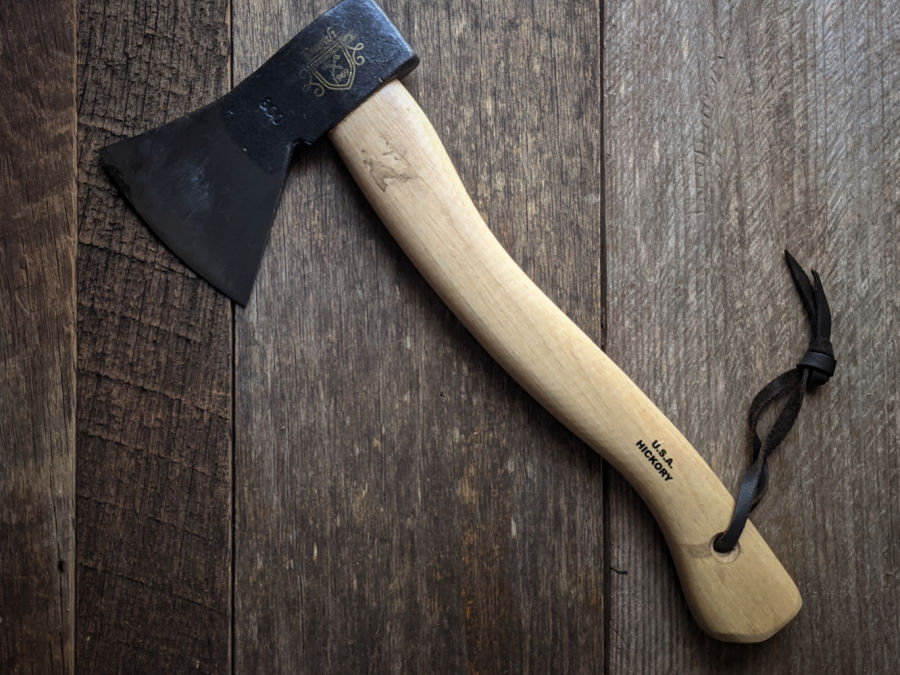
Handle length determines both power and control. Longer handles deliver more force. Shorter handles give you more precision.
- 12–19 inches: Packable, better for utility and carving.
- 19–23 inches: Solid choice for firewood and shelter building.
- 30+ inches: Full-size felling axes. Too big for most bushcraft packs.
The golden rule: don’t break the vertical plane. Always swing into a stump, log, or the ground so that if you miss, your axe bites dirt or wood, not your leg. Nothing ruins a trip faster than an axe bite to the shin. If you’re swinging into open air, you’re not bushcrafting you’re rehearsing for an ER visit.
Survival Axe Materials: Heads, Handles, and Durability
Choosing a survival axe isn’t just about weight and length. Materials matter.
- Axe heads: Forged steel is stronger and holds an edge better than stamped, mass-produced heads. Pay attention to heat treatment — a hard edge that chips easily is just as bad as a soft one that won’t stay sharp.
- Handles: Traditionalists love hickory and ash. They’re strong, shock-absorbing, and easy to replace. Composites and synthetics (like on Fiskars axes) are nearly indestructible and low-maintenance, but they can feel dead in the hand.
- Overstrike protection: Overstrikes happen when you miss your target and slam the handle against the wood. Some axes have collars or guards to protect against this.
Skip the gimmicks. Hollow-handled “survival axes” with storage compartments are toys, not tools.
Safety and Technique Basics
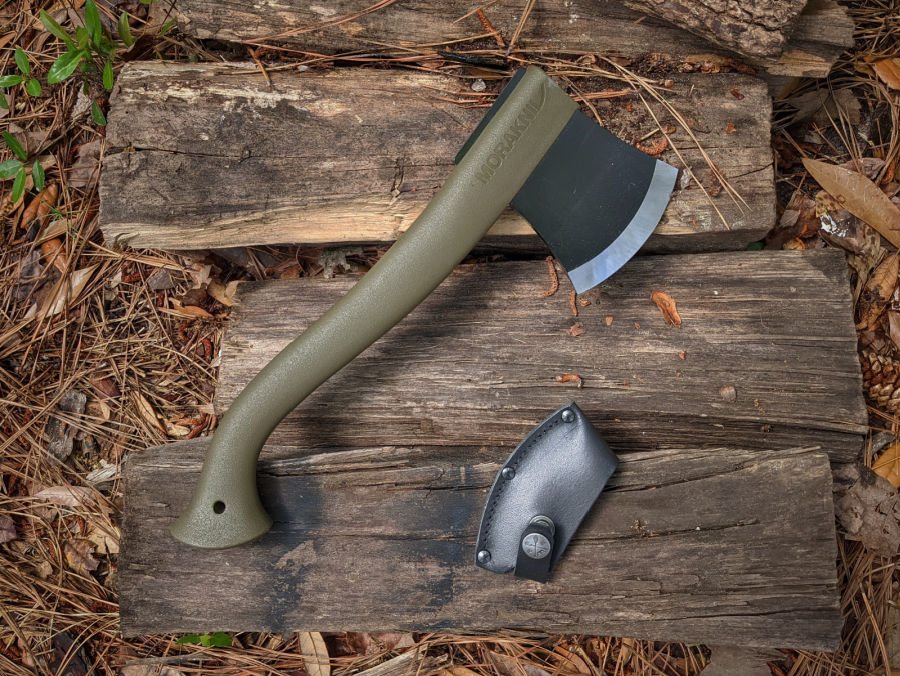
I’ve seen more people hurt by axes than by knives in the woods, usually because they didn’t respect the basics. Here are the rules to keep in mind before you even start shopping:
- Work on a horizontal plane. Always chop into a log or the ground so a miss doesn’t hit your leg.
- Chop at angles. A 45-degree notch removes wood faster and safer than hacking straight down at 90 degrees.
- Use backstops. Splitting against a log or stump saves your edge and prevents bouncing.
- Control beats brute force. Lay wood sideways and use short, precise strikes instead of circus-balancing rounds and swinging wildly.
- Confidence matters. When you feel safe, you swing harder. When you feel nervous, you waste energy and risk injury.
Safety and efficiency go hand in hand. The more you practice with your axe, the more productive and less dangerous it becomes.
Sharpening and Maintenance
A dull axe is dangerous. It bounces, glances, and makes you swing harder than you need to. Keep it sharp and you’ll save both energy and skin.
In the field, a file and a small stone are all you need. Touch up the edge often, don’t wait until it’s butter-knife dull. Back home, a proper stone and strop will keep it shaving sharp. Forget mirror polishing for Instagram. What you want is a tough, working edge that bites wood and holds up.
And dry it off. Rust doesn’t care how expensive your axe was.
Common Mistakes When Choosing a Survival Axe
I’ve been guilty of some of these myself, and I’ve seen plenty of others make them too. Avoid these traps:
- Buying too big. You don’t need a four-pound maul for bushcraft. It’ll live in your garage, not in your pack.
- Buying too cheap. Box-store axes with soft steel and poor grinds won’t last. You don’t have to spend $200, but $25 hardware specials rarely hold up.
- Never using it. Shelf candy is worthless. A clean, unused axe strapped to a backpack is just expensive dead weight.
- Chasing aesthetics. Instagram axes with polished heads and exotic handles look great in photos but often perform terribly in the field.
Recommended Survival Axes by Category
Here are the survival and bushcraft axes I actually recommend. I’ve owned, tested, or put hands-on time with every one of these.
Best Utility Axes (All-Around Survival Tools)
- Gränsfors Bruk Small Forest Axe: The classic. 19” handle, 2 lb head, balances chopping, splitting, and carving better than almost anything.
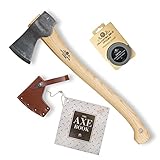
- Included in this Sunny Vale’s Bundle Money Saver are:

- Cold Steel Trail Boss: Hickory handle, tough as nails, holds an edge. A modern take on a traditional tool.
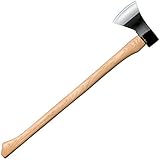
- featuring a european style head with a 4″ blade and a 4 1/2″ cutting edge
- it takes a big bite with every swing. plus, it features a very sturdy, durable straight-grained american hickory handle
- Husqvarna Forest Axe: More affordable than the Gränsfors, still forged steel with solid hickory handles.
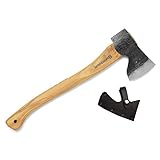
- Axe is designed for fine control during carpentry projects
Best Firewood Axes (Processing Logs and Staying Warm)
- Council Tool Jersey Pattern Axe (3.5 lb): Traditional American firewood workhorse.
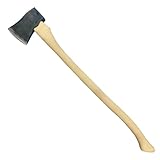
- FULL-SIZED FELLING PERFORMANCE – Designed for general axe chores, this 3.5 lb. Jersey-pattern axe delivers powerful cutting and splitting performance, making it ideal for serious woodcutting and forest work.
- Hults Bruk Akka Forester’s Axe: Long handle, thin bit, excellent for deep bites and serious chopping.
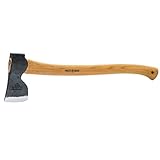
- The axe head is hand forged and made from Swedish axe steel in a foundry that has been in operation since 1697.
- Condor Tool & Knife Cloudburst: A solid ax at a great price.
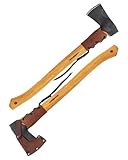
- CONVEX GRIND: The convex grind edge of this high carbon steel camping axe ensures impressive hardness and edge retention. It is built to withstand rugged jobs such as cutting trees and dense vegetation or clearing brush paths in forests and jungles.
Best Compact Hatchets and Bushcraft Axes
- Hults Bruk Almike: 14” handle, perfect for carving and camp chores.
- Condor Cloudburst: Affordable, well-balanced, great for bushcraft tasks.
- Fiskars Camp Axe: Bombproof, budget-friendly, and a staple on my roundup lists. It lacks the finesse of premium Swedish axes but for the price, it’s nearly indestructible and punches way above its weight.
- Husqvarna Hatchet: Simple, affordable, and a step up from hardware-store junk.
FAQ
What size axe is best for bushcraft?
For most bushcraft use, an axe in the 18–19 inch range with a 2–2.5 lb head is the sweet spot. Big enough to chop and split, small enough to pack and control.
Can a hatchet replace a survival axe?
Not really. A hatchet is great for carving, kindling, and light chores, but it lacks the power to handle serious firewood or shelter building. For true survival use, a mid-sized axe is better.
Do I still need a saw if I carry an axe?
Yes. A saw makes cleaner cuts and is often safer for bucking logs. Many bushcrafters carry all three: knife, saw, and axe. Each tool covers different ground.
Final Thoughts
So, what’s the best survival axe? The one that fits your purpose, matches your needs, and most importantly the one you’ll actually use. Specs matter, but practice and comfort matter more.
I’ve made the mistake of chasing “better” axes only to realize I’d ruined a perfectly good tool by changing the handle length or swapping styles. Lesson learned: the perfect axe isn’t the one someone else tells you to buy. It’s the one that works in your hands, for your tasks, in your environment.
If you’re serious about axes, don’t stop here. I’ve tested everything from budget beaters like the Fiskars Camp Axe to premium Swedish steel. Check out my full axe reviews collection and see which ones actually earned a permanent spot in my kit.

Blair Witkowski is an avid watch nut, loves pocket knives and flashlights, and when he is not trying to be a good dad to his nine kids, you will find him running or posting pics on Instagram. Besides writing articles for Tech Writer EDC he is also the founder of Lowcountry Style & Living. In addition to writing, he is focused on improving his client’s websites for his other passion, Search Engine Optimization. His wife Jennifer and he live in coastal South Carolina.