
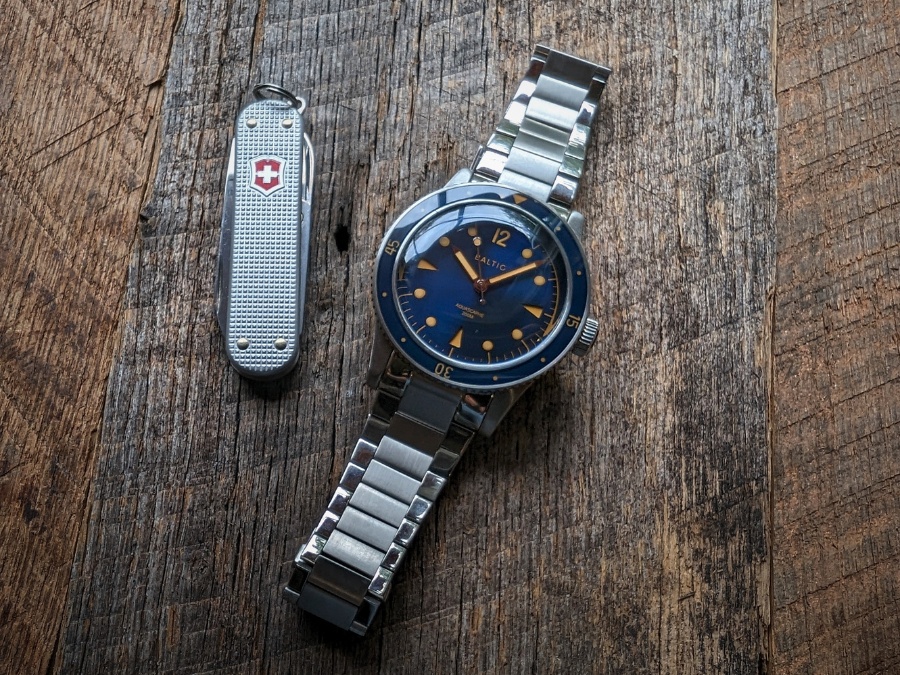
Baltic Aquascaphe Diver Review: Overhyped or Honest Tool Watch?
The Baltic Aquascaphe is one of the most hyped microbrand divers of the past few years. Scroll through Instagram or watch blogs and you’ll see it held up as the “perfect vintage diver.” Slim case, sapphire everything, beads-of-rice bracelet, and photos that make it look like a miniature Blancpain Fifty Fathoms.
On paper, it should be a home run. In reality? After owning mine since August 2023 and wearing it for over a year, I can tell you the truth: it’s not a masterpiece. It’s not a scam or a terrible watch, but it is overhyped, and at $650–700, I expected more.
Baltic: The Brand and the Hype
Baltic has built a reputation as a French microbrand that leans heavily on vintage design language. Their early Bicompax chronograph was a hit, and the Aquascaphe followed as their flagship diver. They know how to sell a story: heritage-inspired design, clean proportions, and excellent photography.
That marketing works. The Aquascaphe is everywhere because it looks fantastic in pictures and ticks the boxes enthusiasts want to see: drilled lugs, sapphire bezel, domed crystal, and the reliable Miyota 9039 movement. But when you actually live with it, the watch doesn’t quite live up to the hype.
What Baltic Gets Right
To be fair, there are things the Aquascaphe does very well.
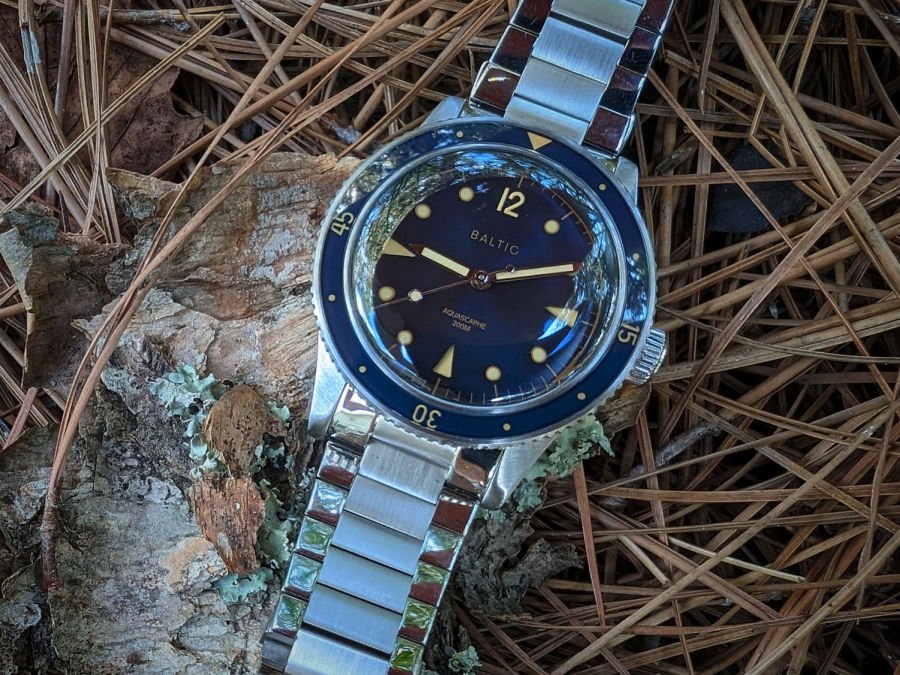
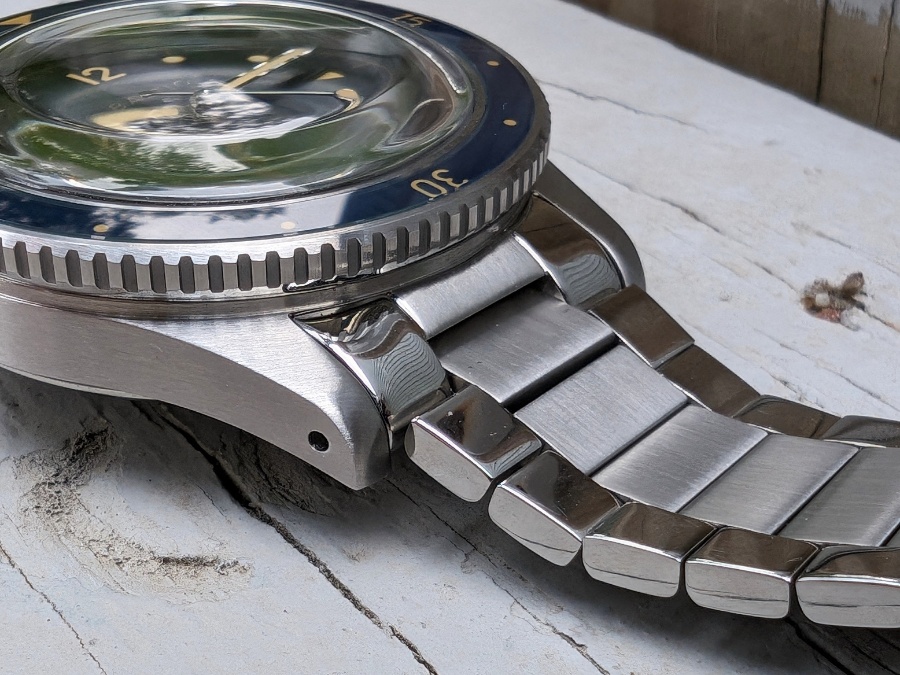
Case dimensions: At 39mm wide, 47mm lug to lug, and about 12mm thick with the domed sapphire, this is nearly perfect for daily wear. Compact, vintage-inspired, but not too small.
Details: Drilled lugs, a large screw-down crown, sandwich-style dial markers at 3, 6, and 9, and a lumed sapphire bezel insert. All enthusiast-friendly touches you don’t often see under $1,000.
Movement: The Miyota 9039 isn’t glamorous, but it’s a proven, reliable workhorse. Mine kept good time and never gave me trouble. Winding has that typical “toy-like” Miyota feel, but that’s expected.
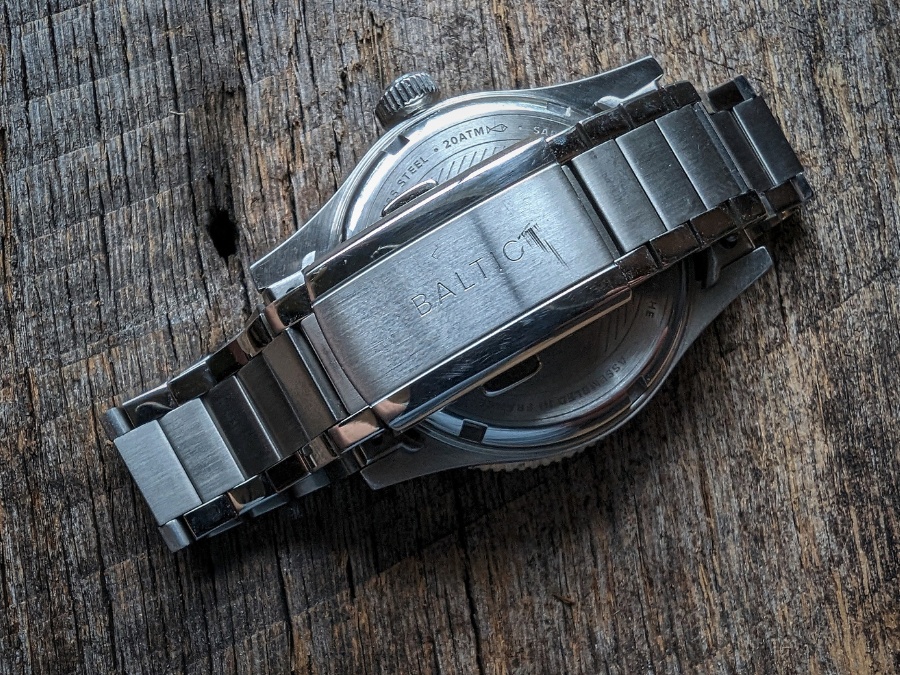
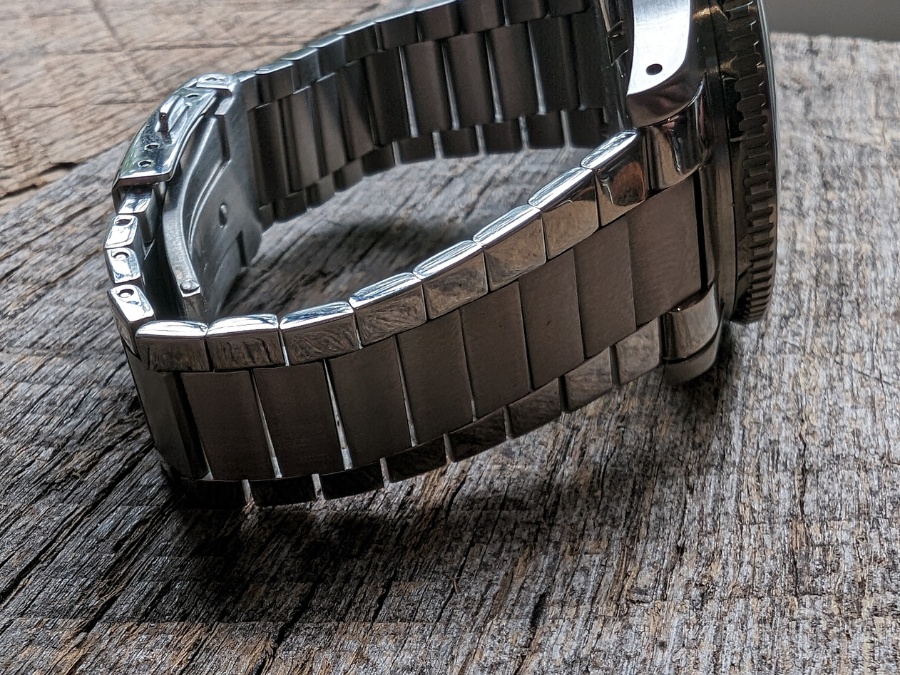
Bracelet: The beads-of-rice bracelet is comfortable, looks great, and has seven micro-adjust holes. Quick-release spring bars are a nice touch. For a microbrand, it’s well executed.
Aesthetic: The Aquascaphe nails the skin diver vibe from the 1960s. Clean, balanced, and dripping with vintage charm.
On paper, it’s hard to complain. But watches aren’t spec sheets.
The Dial: Pretty in Pictures, Flat on the Wrist
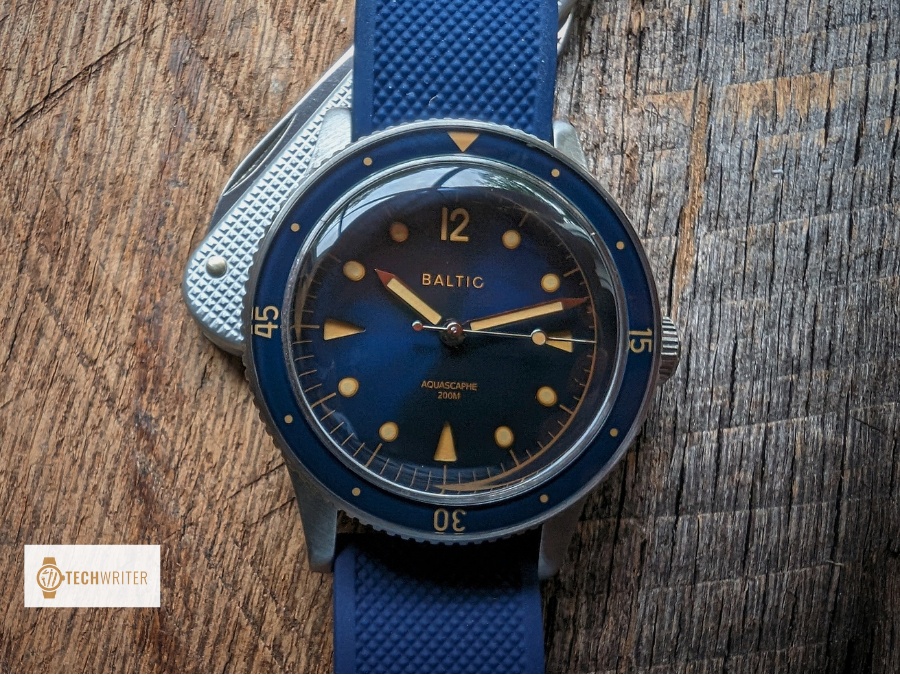
This is where the Aquascaphe let me down most. Under Baltic’s professional photography or a macro lens, the dial looks fantastic. The sandwich cut-outs at 3, 6, and 9, gilt accents, and vintage lume glow give it depth and character.
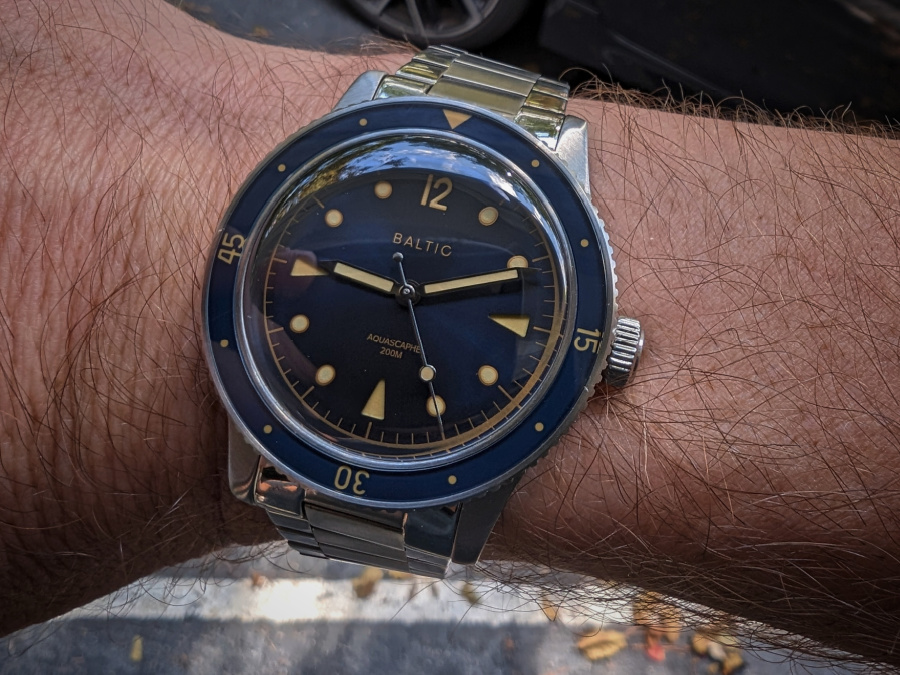
On the wrist, that depth is lost—especially with the blue sunburst version I bought. The markers are small, the contrast is weak, and legibility suffers. Unless you’re staring at it under strong light, the sandwich construction barely registers.
Don’t get me wrong. The dial still looks good, and it carries that vintage diver aesthetic well. But it’s overhyped. In photos it looks like a baby Blancpain. In daily wear, it’s fine—nothing more.
Where It Falls Short
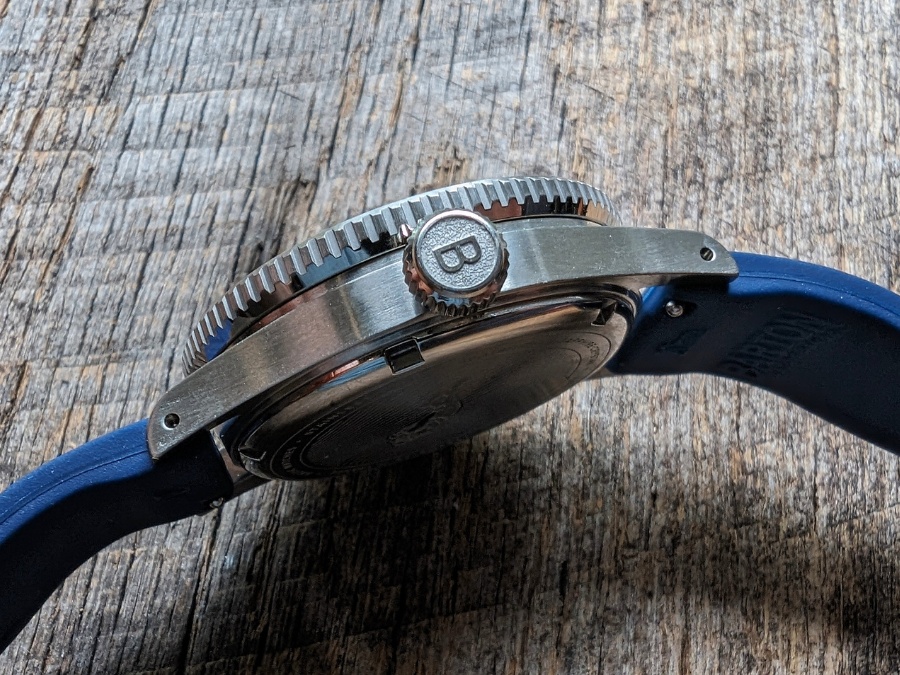
It feels insubstantial. In hand, the Aquascaphe doesn’t have the heft or solidity I expect from a $700 diver. Compared to competitors like the Traska Freediver, Zelos Mako, or even Seiko’s SPB models, it feels more like a $300 watch.
The lume is underwhelming. Baltic chose faux-patina lume for style points, but it doesn’t shine brightly or last long. For a functional diver, that’s disappointing.
The bezel action is average. Yes, it’s sapphire and lumed, but mine has a bit of play, and the printing isn’t razor-sharp. It works, but nothing about it impresses.
The value doesn’t add up. At $400, this would be an easy recommendation. At $650–700, it’s priced against watches that simply deliver more substance, better finishing, and higher performance.
Living With the Aquascaphe
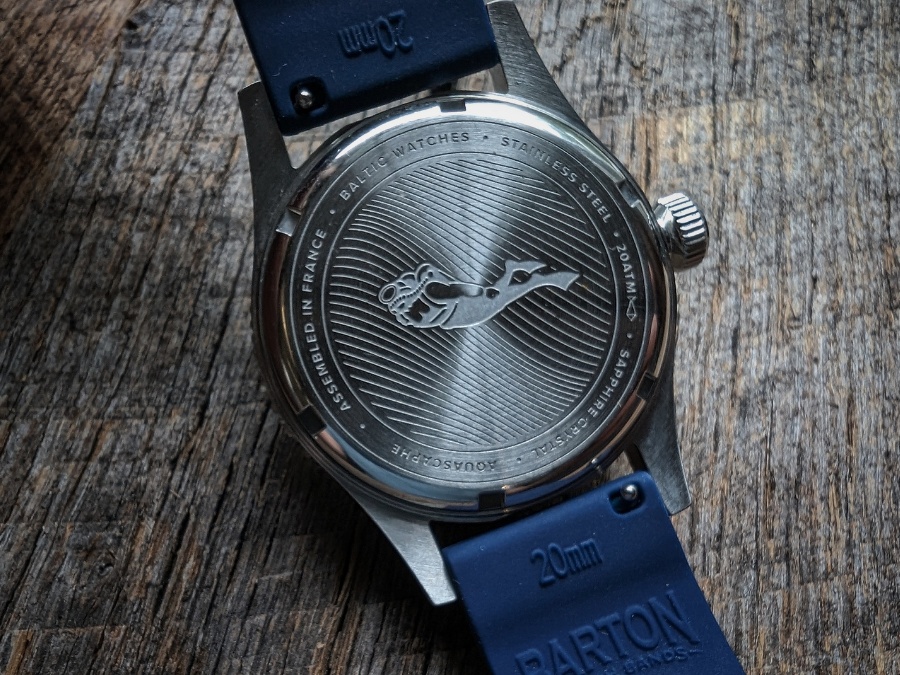
After more than a year, my Aquascaphe spends more time in the watch box than on my wrist. It’s not uncomfortable, and nothing about it is broken, but it never became a go-to. Every time I reached for a diver, I picked something else—my Traska Freediver, a Christopher Ward C60, or even a Seiko.
The Aquascaphe ended up as a watch I wanted to love but never did.
Alternatives to Consider
If you’re in this price range, here are watches I’d recommend instead:
Traska Freediver: Feels more solid, with excellent finishing and thoughtful details. My top pick in this category.
Zelos Mako: Often uses higher-end materials (ceramic bezels, meteorite dials, Swiss movements) for the same or slightly more money.
Christopher Ward C60 Trident Pro: A little pricier, but the finishing and refinement are a big step up.
Seiko SPB Series: Not perfect, but backed by decades of dive watch heritage and credibility.
Verdict
The Baltic Aquascaphe isn’t a bad watch. It’s nicely sized, has a solid movement, and nails the vintage skin diver look. If you love the design and want to support a small brand, you won’t be disappointed.
But if you’re looking for the most capable, best built, or highest value diver under $1,000, this isn’t it. The Aquascaphe feels more like a watch built for Instagram than for long-term wrist time.
Would I buy it again? No. I’d buy a Traska Freediver instead.
Final word: The Baltic Aquascaphe looks fantastic in photos and ticks the right boxes on paper, but after a year of ownership it’s just another microbrand diver. The hype says “must-have,” but the reality is “meh.”

Blair Witkowski is an avid watch nut, loves pocket knives and flashlights, and when he is not trying to be a good dad to his nine kids, you will find him running or posting pics on Instagram. Besides writing articles for Tech Writer EDC he is also the founder of Lowcountry Style & Living. In addition to writing, he is focused on improving his client’s websites for his other passion, Search Engine Optimization. His wife Jennifer and he live in coastal South Carolina.