
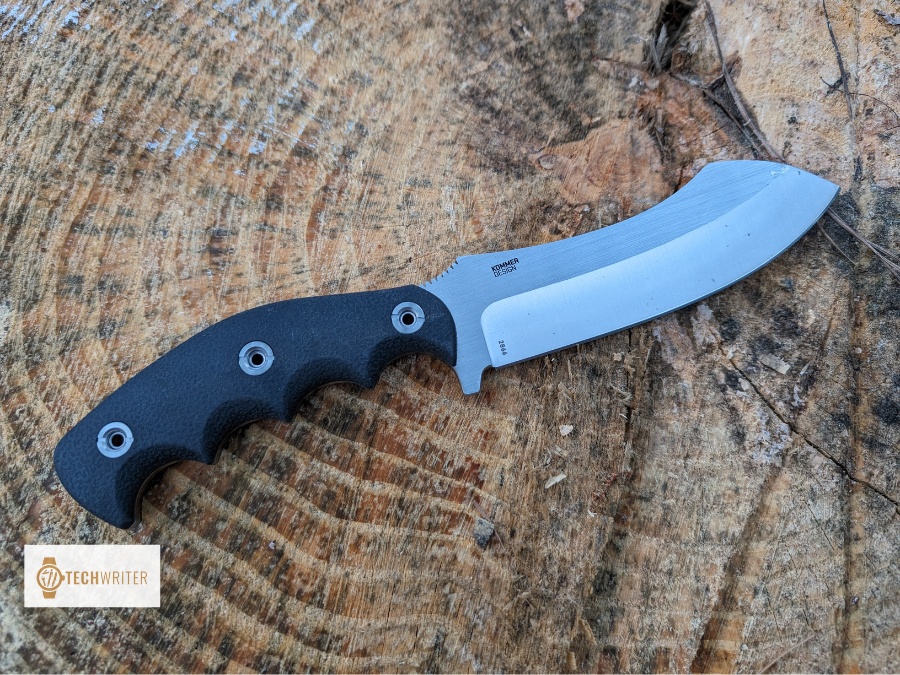
CRKT Catchall Fixed Blade Knife Review: Budget-Friendly, Field-Ready, and Worth Every Penny
When I first picked up the CRKT Catchall fixed blade knife, it wasn’t because I needed another budget blade. I already had a pile of them — some decent, most forgettable, and a few that felt like sharpened boat anchors. But the Catchall caught my eye for one simple reason: it looked different. Not mall-ninja different, not overbuilt-for-Instagram different. Just purposeful, clean, and ready to work.
After weeks of carrying, cutting, and camping with it, I can say this: the Catchall is one of the best fixed blade knives under $100. It’s not perfect, but it doesn’t need to be. It’s a dependable tool that shines where it matters most — in actual use.
First Impressions: Looks That Match Function
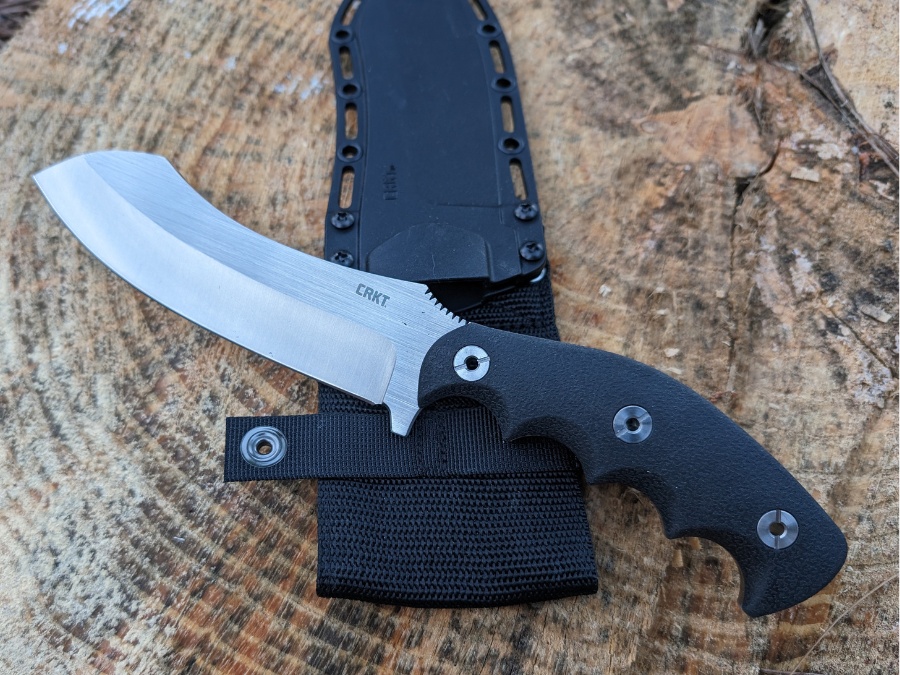
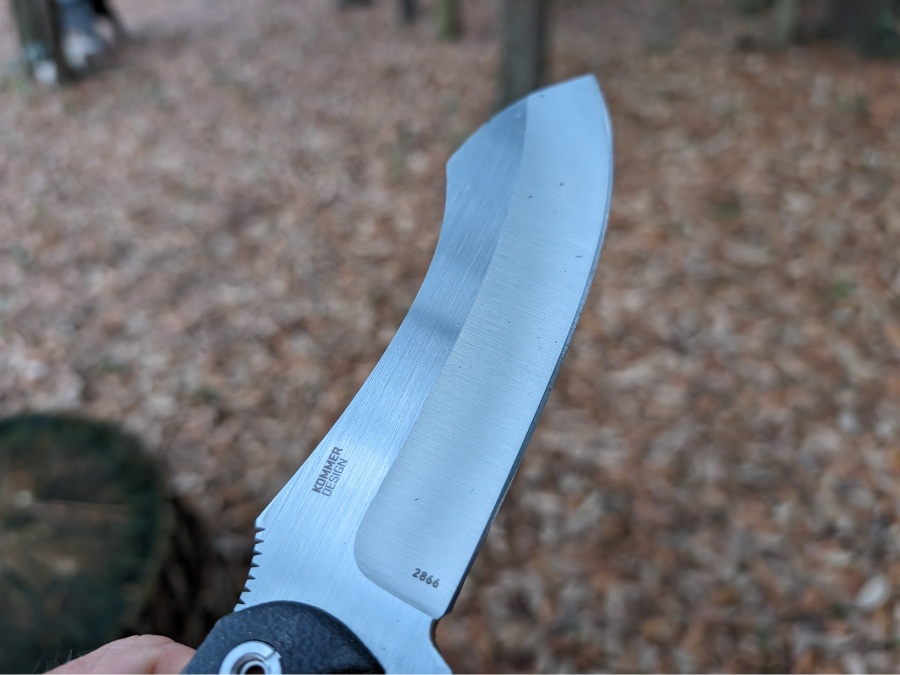
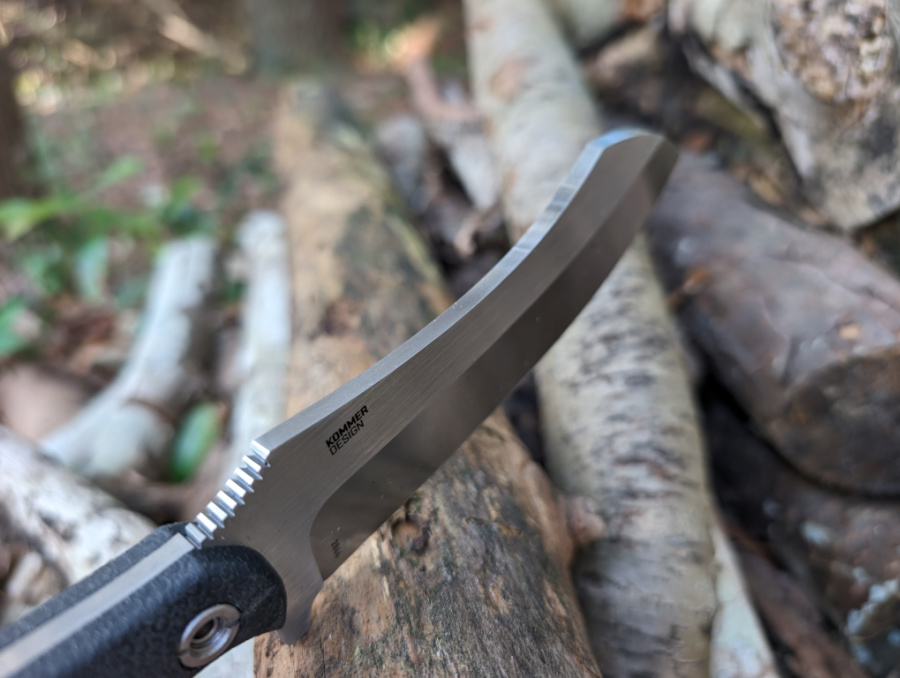
Out of the box, the Catchall looks sleek without being flashy. CRKT went with a 5.5-inch sheepsfoot blade made from 8Cr13MoV stainless steel, a fiberglass-reinforced nylon handle, and a tactical nylon sheath with dual retention. The whole package feels well thought out.
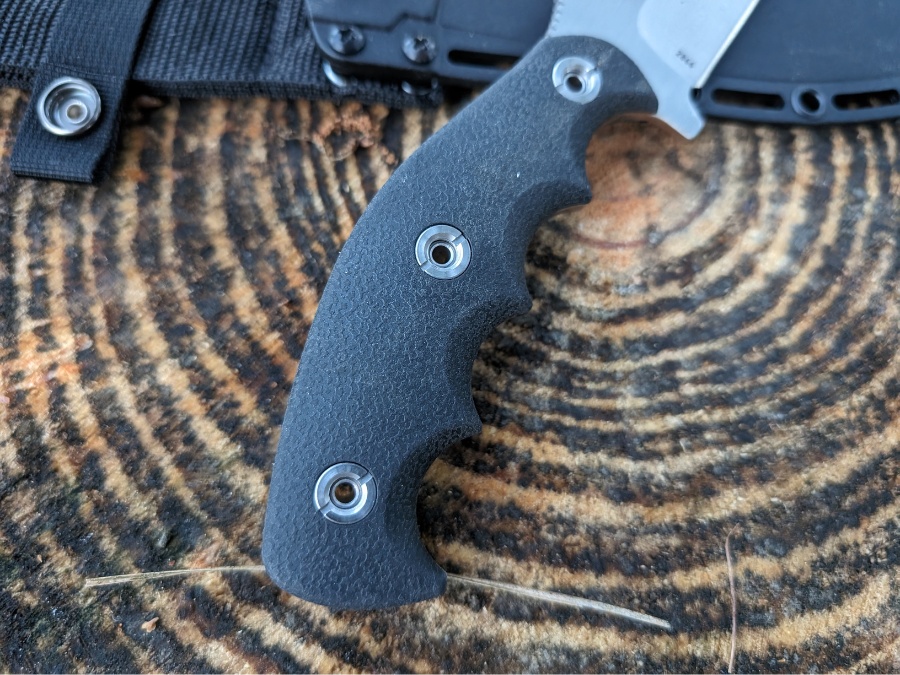
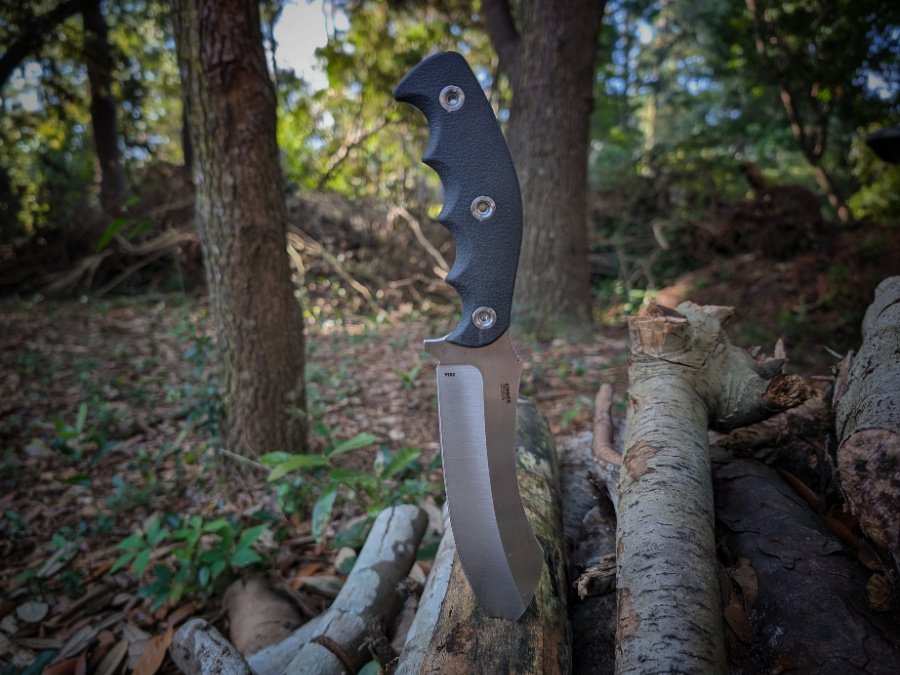
The handle deserves immediate credit. Unlike the slab-sided grips you’ll find on many knives at this price point, the Catchall’s handle is shaped to actually fit your hand. There are finger grooves that give you natural purchase, and a swell at the back that locks into your palm. It’s one of the most comfortable sub-$100 fixed blades I’ve ever wrapped my hand around.
The knife looks the part, too. Some blades scream “mall ninja” or “cheap Amazon survival tool.” Not this one. The Catchall looks modern, but restrained. It looks like it’s meant to be carried, used, and relied on — not just photographed.
Specs at a Glance
- Overall length: 10.25 inches
- Blade length: 5.5 inches
- Blade thickness: 0.13 inches
- Blade style: Sheepsfoot
- Steel: 8Cr13MoV stainless
- Handle: Glass-reinforced nylon (FRN)
- Sheath: Nylon with snap strap + molded retention
- Weight: ~6 oz (knife only)
Price: ~$60 (US market)
The Steel Question: 8Cr13MoV Done Right
Let’s be clear: 8Cr13MoV is not a premium steel. It won’t outlast S35VN, 3V, or even mid-tier steels like 14C28N when it comes to edge retention. If you’re buying knives in the $200+ range, this steel will feel like a downgrade.
But here’s the thing — 8Cr13MoV has its place. It’s easy to sharpen, corrosion resistant enough for outdoor use, and holds an edge long enough for most tasks. The Catchall proves that steel doesn’t have to be fancy to be functional.
In my testing, the edge held up well through rope, cordage, cardboard, and camp kitchen duty. After cutting through four strands of 550 paracord at once, the blade was still plenty sharp. Could it slice hair after all that? No. But five minutes with a ceramic rod or field sharpener and it was back in action.
Bottom line: the Catchall’s steel is honest. It’s not pretending to be exotic. It’s a working steel for a working knife.
Ergonomics: Where the Catchall Really Wins
Comfort in hand can make or break a fixed blade, especially one you plan to use for extended periods. CRKT nailed this part.
The handle’s finger grooves and palm swell lock the knife in without hotspots, even when carving or batoning. The fiberglass-reinforced nylon has just enough texture for grip, but not so much that it chews up your hand.
I’ve used knives like the Mora Companion and ESEE 4 for years, and while both are excellent, the Catchall’s grip is simply more comfortable out of the box. It feels like it was designed for actual hands, not just aesthetics.
The only downside? There’s no hammer pommel. I like having that flat surface for pounding in tent stakes or cracking open something stubborn. But at this price point, it’s a small omission.
The Sheath: Secure and Smarter Than Most
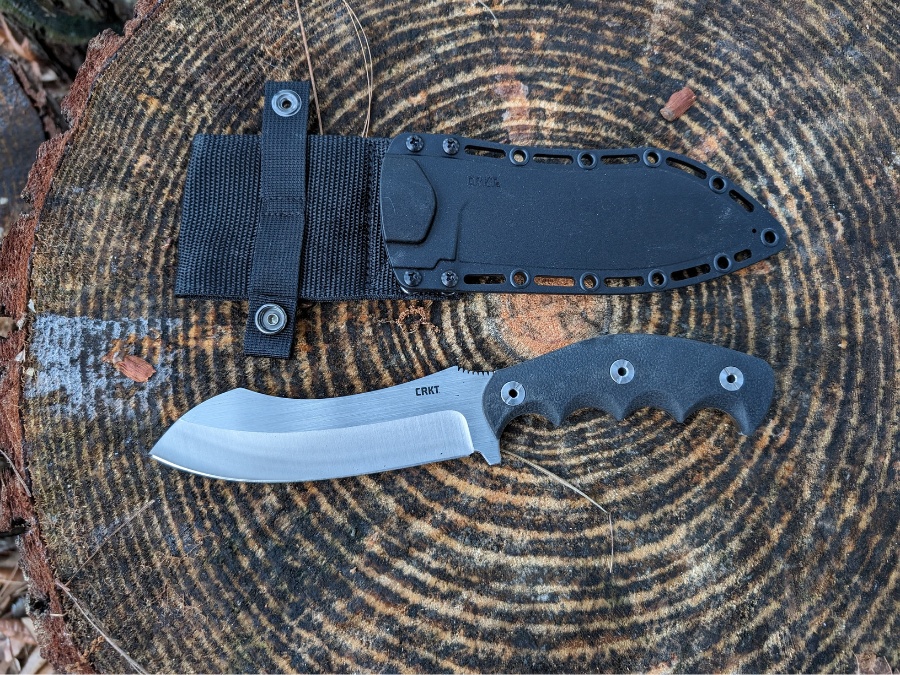
Budget fixed blades often come with cheap sheaths that rattle, loosen, or fail altogether. CRKT did better here.
The nylon sheath has dual retention — a molded insert that locks the blade in place and a nylon strap for extra security. Even without the strap, the knife doesn’t budge. With the strap, it’s rock solid.
One-handed deployment is straightforward once you get used to it. Place your thumb on the release point, apply pressure, and the blade pops free. It’s not ambidextrous, though — the sheath is clearly designed for right-handed users. Lefties may grumble.
Another plus is the mounting flexibility. You can run it on your belt, attach it to a pack, or lash it to gear with extra straps. For a $60 knife, the sheath feels more tactical than toy — a rare win in this price bracket.
Cutting Performance: Real-World Use
I don’t baby knives. If I buy one, it’s going to see dirt, food, and wood. The Catchall didn’t disappoint.
- Cordage: It sliced through single strands of 550 paracord like butter. More impressive, it cleanly cut through four strands at once without binding.
- Wood: Feather sticks came out clean, with the sheepsfoot blade offering great control near the tip. The spine struck sparks off a ferro rod with ease, thanks to a sharp 90° edge.
- Food prep: That 5.5-inch blade works surprisingly well for camp kitchen duty. It sliced salami and veggies almost as easily as my Mora, though the thicker stock makes it less ideal for precision slicing.
- General tasks: Cardboard, rope, and plastic packaging were no match. The sheepsfoot design isn’t flashy, but it’s functional — you get a long, straight edge with great control.
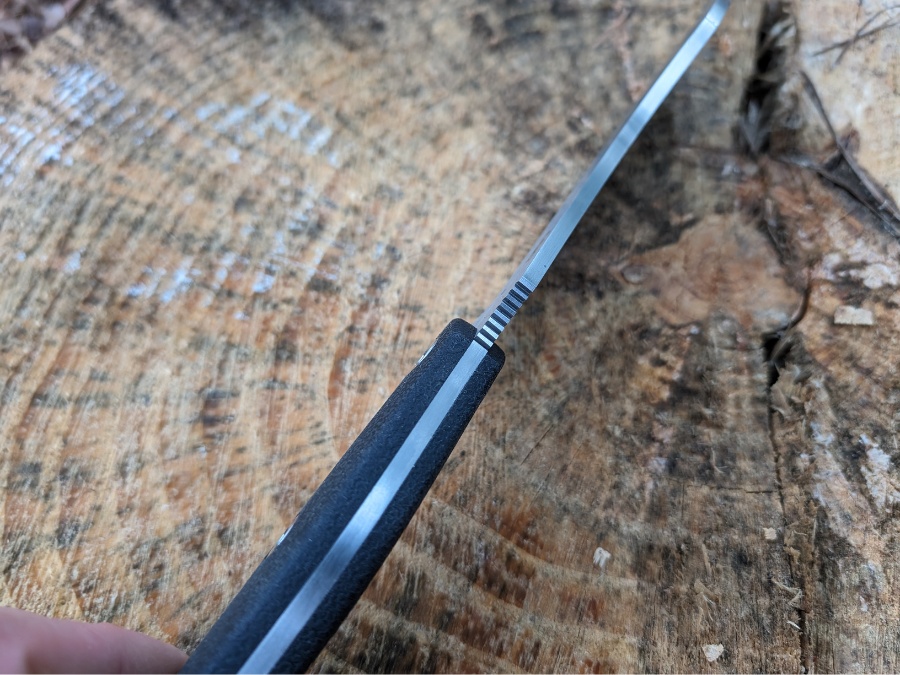
Where the Catchall won’t shine is heavy-duty chopping or sustained batoning through thick logs. At 0.13 inches thick, the blade just isn’t made for that kind of abuse. But as a camp knife, utility cutter, or survival backup, it performs admirably.
Comparisons: How the Catchall Stacks Up
When testing the Catchall, I kept coming back to two knives in the same general category:
- Mora Garberg ($90+): The Mora is full-tang and has better steel (14C28N in stainless models), but the handle isn’t as ergonomic as the Catchall. If you want tougher steel and are willing to spend more, the Garberg is worth it. If you want comfort and affordability, the Catchall wins.
- ESEE 4 ($130+): The ESEE is a tank, with 1095 carbon steel and micarta handles. It’s heavier, tougher, and costs twice as much. The Catchall isn’t a direct competitor — but it’s a cheaper, lighter option that still gets 80% of the jobs done.
Against other budget knives under $100, the Catchall stands out. Most in this range either cut corners on the sheath, the handle, or the steel. CRKT managed to balance all three well enough that nothing feels like an afterthought.
Who the Catchall is For
The Catchall is an ideal knife for beginners, campers, or anyone wanting a reliable fixed blade without dropping triple digits. It’s also a solid backup knife for more experienced outdoorsmen — something you can stash in a pack and not worry about.
It’s not for you if you:
- Need maximum edge retention for weeks in the field without sharpening.
- Want a heavy-duty chopper or pry-bar style knife.
- Are left-handed and demand ambidextrous sheath setups.
But if you want a comfortable, sharp, easy-to-maintain fixed blade that actually feels like it was designed for real-world use? The Catchall is worth every penny.
Final Thoughts: A Knife That Gets It Right
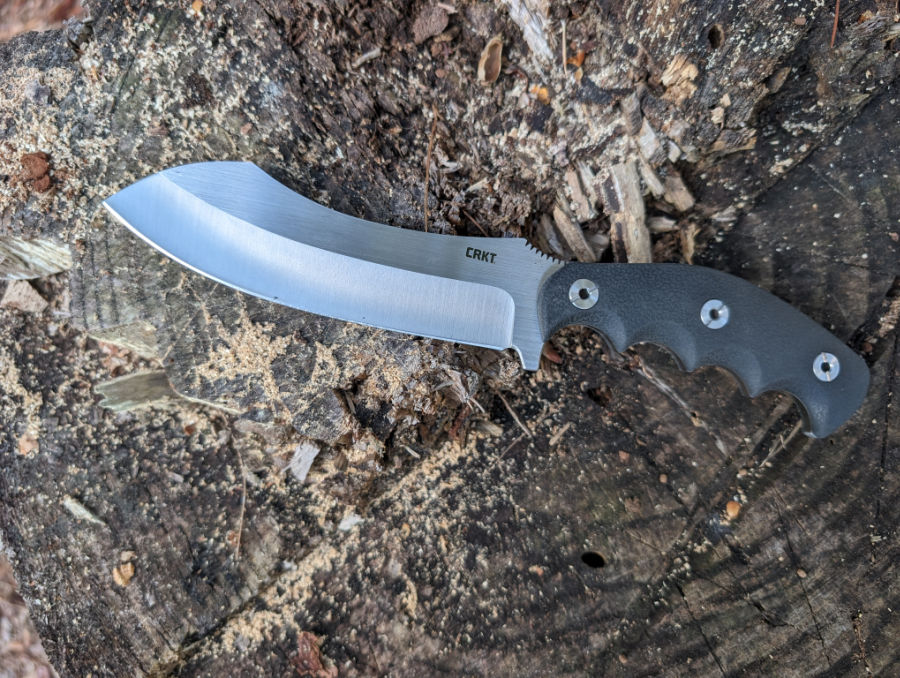
The CRKT Catchall fixed blade isn’t trying to be an ESEE, a Benchmade, or a custom survival knife. It’s trying to be what it is: a budget-friendly, well-designed, comfortable tool that works. And in that mission, it succeeds.
The steel won’t blow anyone away, but it’s easy to sharpen and holds a working edge long enough for most tasks. The handle is one of the most ergonomic I’ve felt at this price. The sheath is smarter than most budget sheaths I’ve seen. And the performance is reliable across camp, trail, and everyday cutting.
For around $60, that’s a win in my book.

Blair Witkowski is an avid watch nut, loves pocket knives and flashlights, and when he is not trying to be a good dad to his nine kids, you will find him running or posting pics on Instagram. Besides writing articles for Tech Writer EDC he is also the founder of Lowcountry Style & Living. In addition to writing, he is focused on improving his client’s websites for his other passion, Search Engine Optimization. His wife Jennifer and he live in coastal South Carolina.