
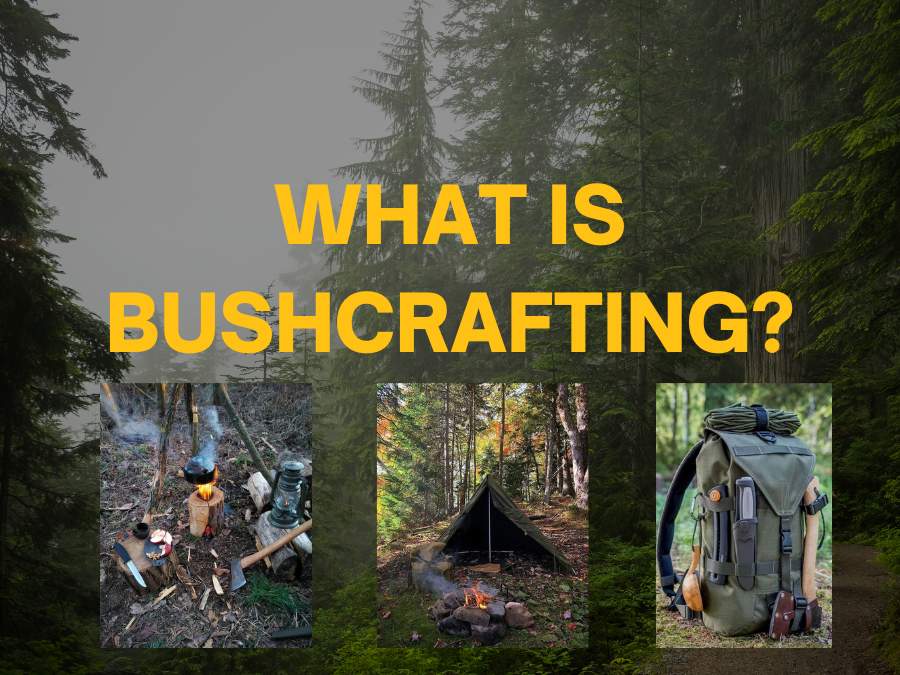
What Is Bushcrafting?
The Skills, Spirit, and Soul of Living Well Outdoors
Bushcraft isn’t a trend, a social media hashtag, or just another camping hobby. It’s a mindset and a practical skill set rooted in one thing: knowing how to live with nature, not beside it.
At its core, bushcrafting is about developing and applying the skills to live in the wild using minimal tools and maximum knowledge. It’s a lifestyle that values doing more with less—less gear, less noise, less reliance on modern conveniences. It’s lighting a fire with what you have, building a shelter from what’s around, foraging for food and water, and embracing the challenge of becoming more self-reliant and capable.
If you’ve ever carved a pot hook by firelight, made char cloth from an old t-shirt, or batoned wood in the rain just because you wanted to—you’re not just camping. You’re bushcrafting.
Survival vs. Bushcraft: What’s the Real Difference?
Let’s clear this up early because it’s a common sticking point.
Survival is reactive. It’s what you do when things go wrong—a plane crash, a lost hiker, a disaster scenario. It’s about short-term thinking, improvisation under pressure, and doing whatever it takes to get out alive. The goal is simple: survive, escape, return.
Bushcraft, on the other hand, is proactive. It’s about choosing to be out there. You’re not just making it through the night—you’re learning to live comfortably and intentionally in the wild. You’re not in a hurry. There’s no panic. There’s joy in making things by hand, in mastering primitive skills, and in finding satisfaction in simplicity.
There’s overlap, sure. Both camps value knife skills, fire, water purification, shelter building, and knowledge of the terrain. But bushcraft is about thriving—not just surviving. It’s about connection, not escape.
The Core Skills of Bushcrafting
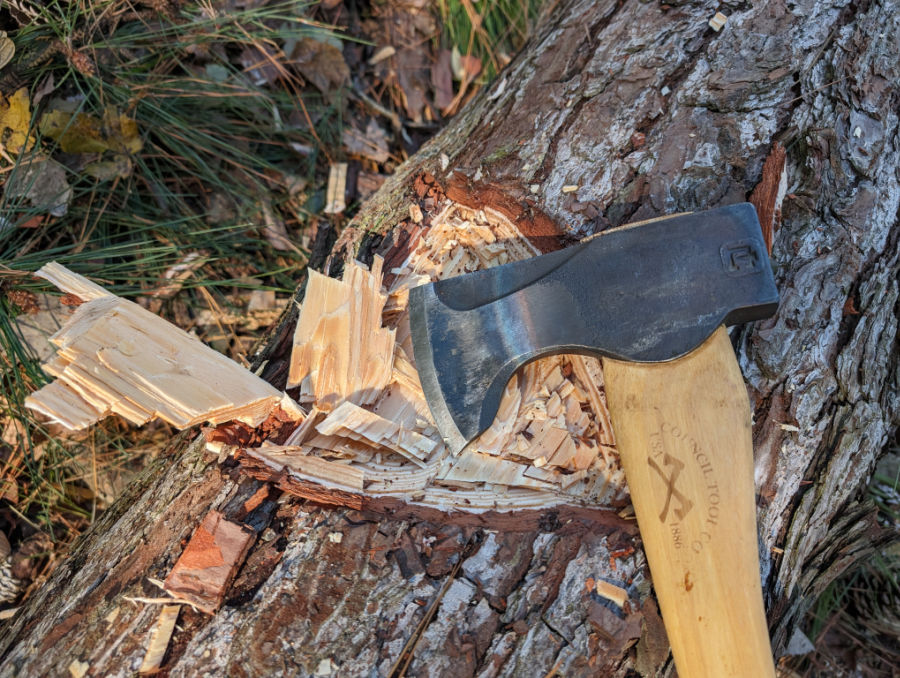
Bushcraft is skill-driven. Fancy gear doesn’t matter if you don’t know how to use it. Here are the essential skills every bushcrafter learns—some out of curiosity, some out of necessity.
Knife and Tool Mastery
Ask any bushcrafter what their most important tool is, and 99% will say “my knife.” The rest will say “my axe,” and then reach for their knife anyway.
Your blade is your companion in the woods, not just for cutting, but for shaping, carving, processing food, crafting tools, and building shelters. Bushcraft teaches you how to use it with confidence—carving feather sticks, shaping pot hangers, making traps, and splitting wood without a hatchet.
It’s not about carrying 12 knives—it’s about knowing how to use one well.
Firecraft
There’s something primal about fire. It’s warmth, light, security, and a cooking source all in one. In bushcraft, it’s also a test of your skill.
Can you start a fire in the rain with damp tinder? Can you do it without a lighter? Ferro rods, flint and steel, solar ignition, bow drills—these are the real tests. It’s one thing to watch a fire-starting trick on YouTube. It’s another to light your shelter’s first fire after the temperature drops and your hands are going numb.
Shelter Building
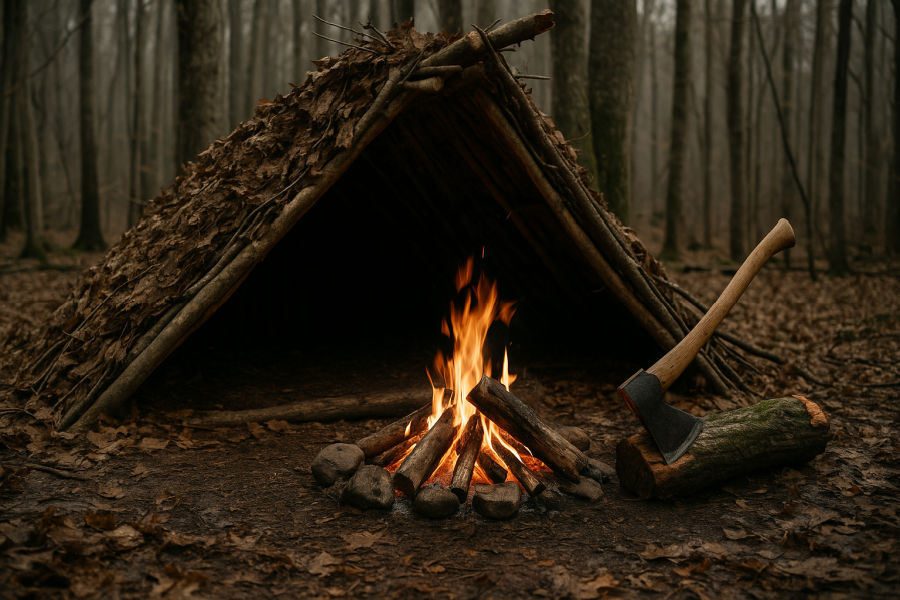
Bushcraft teaches you to create a dry, safe place to sleep whether or not you’ve packed a tent. Tarp setups, debris shelters, lean-tos, or even raised platforms—these skills turn a cold night into a comfortable one.
This is where knowledge of natural materials, knots, ridgelines, and weather all come into play. The goal isn’t just to survive—it’s to be comfortable.
Water Procurement and Purification
It doesn’t matter how good your knife is if you’re dehydrated. Water is the lifeblood of any trip outdoors.
Bushcrafters learn to find it (springs, streams, rain catches), filter it (charcoal, sand, moss, DIY setups), and purify it (boiling, tablets, UV light, solar stills). A good bushcrafter can make clean water appear in places where most people would give up.
Food Foraging, Fishing, and Wild Cooking
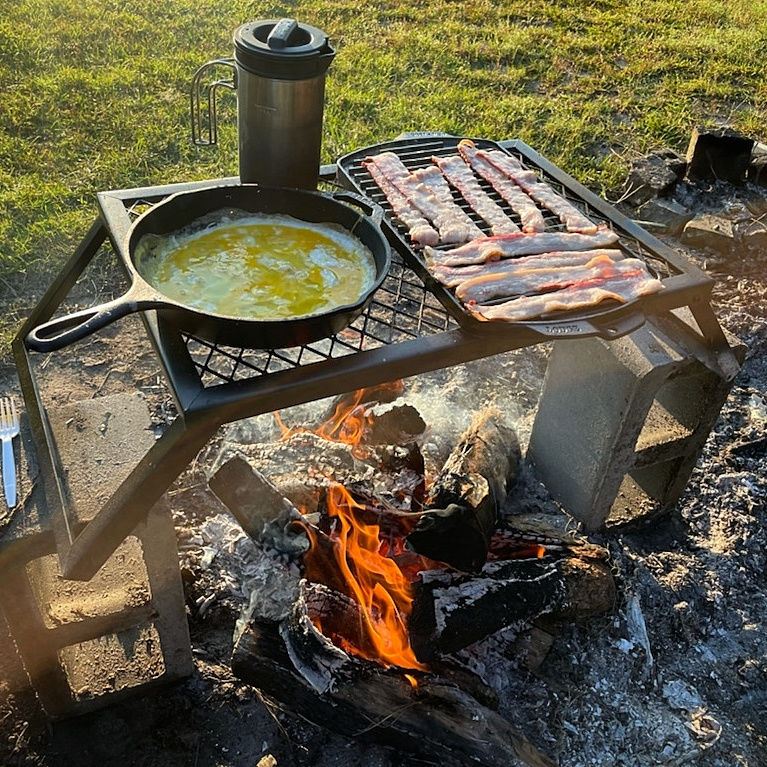
While some bushcrafters bring meals or pack freeze-dried bags, the real skill comes in recognizing what’s around you. Which plants are edible? What can you trap? Can you catch fish or process game? Do you know how to make a spit, grill, or smoker out of sticks and stone?
Bushcraft includes the art of making simple, wild meals using your surroundings—no dehydrated chili mac required.
Navigation Without Tech
Knowing how to read the land is a dying art. In the bushcraft world, it’s still a prized skill.
Use landmarks, shadows, the sun, stars, wind, or even vegetation to orient yourself. A map and compass still matter. Apps are optional.
Mindset Over Gear
Here’s the truth: bushcraft isn’t gear-dependent.
The market is full of expensive bushcraft tools—Scandi grind knives, wool blankets, titanium stoves, and custom leather sheaths. They’re great. But they don’t define a bushcrafter.
Bushcraft is about knowing what to do with what you have. A cheap carbon steel Mora and a tarp can take you far if your skills are sharp. I’ve seen guys with beat-up gear out-camp the “Gucci gear” crowd because they had something more important: experience.
Use what you’ve got. Learn as you go. Buy quality when you can—but skill always matters more than style.
The Heart of Bushcraft: Community and Camaraderie
One of the most overlooked aspects of bushcraft is the people.
Whether it’s a local meetup, a group hike, or an impromptu weekend in the woods with friends, bushcrafting attracts people who are willing to teach, share, and help. People pass around knives, trade tarp setups, carve spoons, and test skills together. The bushcraft community has a “pass it on” spirit. Everyone is learning. Everyone is willing to teach.
What starts as a shared fire becomes a weekend of stories, ideas, and friendships forged through sweat and smoke.
Is Bushcraft Just Old-School Camping?
In a way—yes. Bushcraft shares DNA with classic camping: cotton tents, canvas packs, open fires, and long nights under the stars.
But it goes deeper.
Bushcraft rejects the ultralight, tech-heavy mentality in favor of time-tested skills and handcrafted solutions. It’s not about ease. It’s about connection. With nature, with history, and with yourself.
You’re not just sleeping outside. You’re learning to live outdoors—using your hands, your head, and your heart.
Final Thoughts: Why Bushcraft Still Matters

In a world full of noise, screens, and convenience, bushcraft is a quiet rebellion.
It teaches patience, observation, problem-solving, and humility. It gets you dirty. It pushes your comfort zone. It shows you what you’re made of—and what you really need to be happy, healthy, and whole.
So, what is bushcraft?
It’s not just carving spoons or sharpening knives. It’s a mindset. A craft. A discipline. It’s about walking into the woods with respect, skill, and confidence—and building a life that feels more real than the one you left behind.
If you can build shelter, find food, light fire, stay warm, and make tools with what’s around you—you’re not just surviving. You’re living.
And that’s bushcraft.

Blair Witkowski is an avid watch nut, loves pocket knives and flashlights, and when he is not trying to be a good dad to his nine kids, you will find him running or posting pics on Instagram. Besides writing articles for Tech Writer EDC he is also the founder of Lowcountry Style & Living. In addition to writing, he is focused on improving his client’s websites for his other passion, Search Engine Optimization. His wife Jennifer and he live in coastal South Carolina.